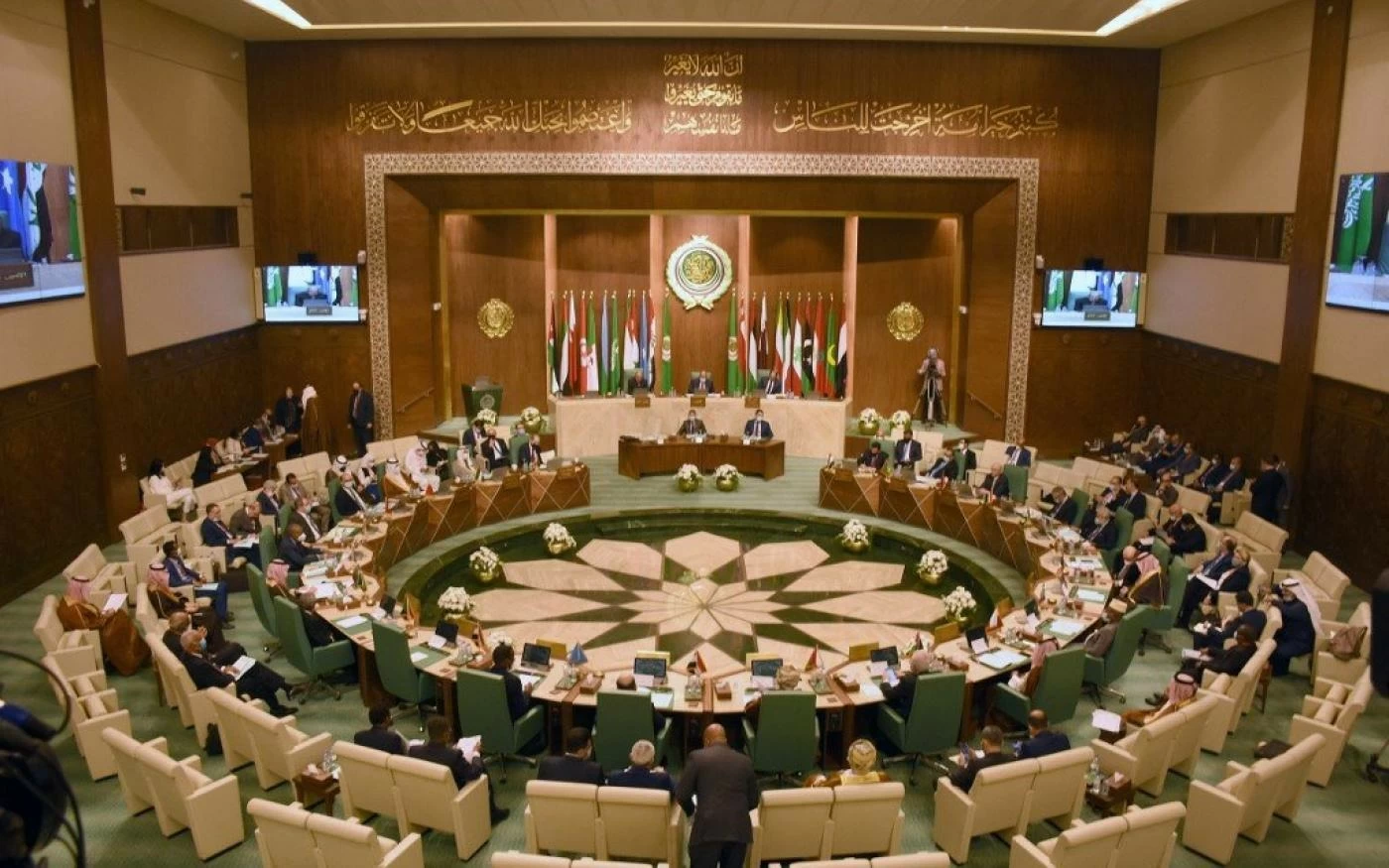
يعقد مجلس الجامعة العربية اجتماعاً غير عادي على (مستوى المندوبين الدائمين)، بعد غد الخميس، بناء على طلب من دولة فلسطين وتأييد الدول الأعضاء لبحث تداعيات إقرار الكنيست الإسرائيلي لقانون إعدام الأسرى الفلسطينيين.
وقال مندوب فلسطين لدى الجامعة العربية السفير مهند العكلوك، إن الاجتماع الذي دعمه الأشقاء العرب بالإجماع سيبحث سبل التصدي للجرائم والانتهاكات الإسرائيلية في مدينة القدس المحتلة ومقدساتها الإسلامية والمسيحية، إضافة إلى إقرار الكنيست الإسرائيلي لقانون عنصري باطل حول إعدام الأسرى الفلسطينيين.
وشدّد مندوب فلسطين، على أن إنهاء الاحتلال الإسرائيلي لأرض دولة فلسطين بعاصمتها القدس، وإزالة آثاره وملاحقة المسؤولين عن جرائمه، ووقف التهديد الإسرائيلي للأمن القومي العربي، هو السبيل الوحيد لإنهاء الصراع العربي الإسرائيلي، وإحلال السلام والأمن والاستقرار في المنطقة.
وأضاف أن طلب هذا الاجتماع يأتي في ظل العدوان الإسرائيلي المستمر ضد الشعب الفلسطيني والانتهاكات الإسرائيلية الممنهجة في مدينة القدس المحتلة عاصمة دولة فلسطين والمساس بمقدساتها الإسلامية والمسيحية، وتقويض حرية العبادة فيها، وإستمرار إغلاق سلطات الاحتلال الإسرائيلي، للمسجد الأقصى المبارك لما يزيد على 30 يوماً، إضافة إلى تقويض حرية الوصول إلى كنيسة القيامة وإقامة الشعائر الدينية فيها.
كما حذّر مندوب فلسطين من التداعيات الخطيرة لإقرار كنيست الاحتلال لقانون عنصري باطل حول إعدام الأسرى الفلسطينيين، معتبراً أن هذا التشريع يمثل جريمة حرب مكتملة الأركان وانتهاكاً صارخاً للقانون الدولي الإنساني وكافة المواثيق الدولية ذات الصلة بحماية الأسرى وحقوق الإنسان، داعيا إلى التحرك الفوري لوقف هذا القانون ومنع تنفيذه ومحاسبة إسرائيل على انتهاكاتها المتواصلة وفرض عقوبات عليها بسبب خرقها الواضح للقانون الدولي.
وكان الكنيست الإسرائيلي، أقر مساء أمس (الإثنين)، بشكل نهائي مشروع قانون يفرض عقوبة الإعدام (بالشنق) كعقوبة افتراضية على الفلسطينيين المدانين في المحاكم العسكرية بالضفة الغربية بارتكاب عمليات أدت إلى مقتل إسرائيليين، ويُصنفها الجانب الإسرائيلي بـ«الإرهاب».
وشهدت جلسة التصويت حضور رئيس الوزراء الإسرائيلي بنيامين نتنياهو شخصياً، إلى جانب وزير الأمن القومي المتطرف إيتمار بن غفير، الذي قاد حملة الدفع بالقانون منذ فترة طويلة، وانتهى التصويت بأغلبية مؤيدة (62 صوتاً مقابل 48)، وسط تصفيق واحتفال داخل القاعة، إذ رفع «بن غفير» زجاجة احتفالاً بالقرار.
وينص القانون على جعل الإعدام العقوبة الافتراضية في المحاكم العسكرية للفلسطينيين في الضفة الغربية المحتلة في حال الإدانة بـ«القتل المتعمد ضمن عمل إرهابي»، مع إمكانية فرضه حتى لو لم تطلب النيابة ذلك.
أما داخل إسرائيل والقدس الشرقية المحتلة، فيُتيح للمحاكم المدنية فرض الإعدام أو السجن المؤبد، ويُستثنى القانون من التطبيق بأثر رجعي، ويُطبق فقط على الحالات المستقبلية، مع تنفيذ الحكم خلال فترة زمنية محدودة (نحو 30-90 يوماً بعد التثبيت).
يأتي إقرار هذا القانون بعد سلسلة من الخطوات التشريعية بدأت بقراءة أولى في نوفمبر 2025، ثم مصادقة لجنة الأمن القومي في الكنيست في 24 مارس على صيغة معدلة بعد إدخال تعديلات لتخفيف بعض الجوانب استجابة لضغوط من مكتب نتنياهو.
وكان حزب «عوتسما يهوديت» اليميني المتطرف، بقيادة «بن غفير»، المبادر الرئيسي للمشروع، الذي يُعد أحد الوعود الانتخابية البارزة لليمين الإسرائيلي.
وتُطبق إسرائيل حالياً عقوبة الإعدام نادراً جداً، إذ لم تنفذ إعداماً قضائياً منذ عقود، باستثناء أدولف أيخمان في 1962، لكن القانون الجديد يميز بشكل واضح بين الفلسطينيين الذين يُحاكمون أمام محاكم عسكرية والإسرائيليين الذين يحاكمون أمام محاكم مدنية، مما يجعله يطال الفلسطينيين بشكل أساسي.
ويأتي في سياق تصاعد التوترات الأمنية منذ أكتوبر 2023، إذ يحتجز الاحتلال نحو 9,100 أسير فلسطيني، بينهم نساء وأطفال.
وانتقدت منظمات حقوقية دولية مثل العفو الدولية والأمم المتحدة القانون، معتبرة إياه «تمييزاً» و«انتهاكاً لحق الحياة»، ويُعمق نظام الفصل العنصري في الأراضي المحتلة، خصوصاً أنه يُطبق بشكل غير متكافئ على الفلسطينيين الخاضعين للقانون العسكري.
كما حذّرت دول أوروبية، من بينها بريطانيا وفرنسا وغيرهما، من أنه يهدد «الديمقراطية الإسرائيلية» وقد يثير تحديات قانونية داخلية ودولية.
The Arab League Council will hold an extraordinary meeting (at the level of permanent representatives) the day after tomorrow, Thursday, at the request of the State of Palestine and with the support of member states to discuss the repercussions of the Israeli Knesset's approval of the law to execute Palestinian prisoners.
The Palestinian representative to the Arab League, Ambassador Muhannad Al-Aklouk, stated that the meeting, which has received unanimous support from Arab brothers, will discuss ways to confront Israeli crimes and violations in the occupied city of Jerusalem and its Islamic and Christian sanctities, in addition to the Israeli Knesset's approval of a racist and void law concerning the execution of Palestinian prisoners.
The Palestinian representative emphasized that ending the Israeli occupation of the State of Palestine, with its capital Jerusalem, removing its effects, pursuing those responsible for its crimes, and stopping the Israeli threat to Arab national security is the only way to end the Arab-Israeli conflict and achieve peace, security, and stability in the region.
He added that the request for this meeting comes in light of the ongoing Israeli aggression against the Palestinian people and the systematic Israeli violations in the occupied city of Jerusalem, the capital of the State of Palestine, and the infringement on its Islamic and Christian sanctities, undermining the freedom of worship there, and the continued closure by the Israeli occupation authorities of the blessed Al-Aqsa Mosque for more than 30 days, in addition to undermining the freedom to access the Church of the Holy Sepulchre and conduct religious rituals there.
The Palestinian representative also warned of the serious repercussions of the Knesset's approval of a racist and void law regarding the execution of Palestinian prisoners, considering this legislation a complete war crime and a blatant violation of international humanitarian law and all relevant international treaties protecting prisoners and human rights, calling for immediate action to stop this law, prevent its implementation, and hold Israel accountable for its ongoing violations and impose sanctions on it due to its clear breach of international law.
The Israeli Knesset approved yesterday evening (Monday), definitively, a bill imposing the death penalty (by hanging) as a hypothetical punishment for Palestinians convicted in military courts in the West Bank of committing acts that led to the deaths of Israelis, which the Israeli side classifies as "terrorism."
The voting session was attended by Israeli Prime Minister Benjamin Netanyahu personally, alongside the extremist National Security Minister Itamar Ben Gvir, who has long led the push for the law, and the vote concluded with a supportive majority (62 votes in favor to 48 against), amid applause and celebration in the hall, as "Ben Gvir" raised a bottle in celebration of the decision.
The law stipulates that the death penalty will be the default punishment in military courts for Palestinians in the occupied West Bank in cases of conviction for "premeditated murder within a terrorist act," with the possibility of imposing it even if the prosecution does not request it.
Within Israel and occupied East Jerusalem, civil courts are allowed to impose the death penalty or life imprisonment, and the law is exempt from retroactive application, applying only to future cases, with the execution to be carried out within a limited time frame (about 30-90 days after confirmation).
This law's approval follows a series of legislative steps that began with a first reading in November 2025, then the National Security Committee of the Knesset approved an amended version on March 24 after introducing modifications to alleviate some aspects in response to pressure from Netanyahu's office.
The far-right "Otzma Yehudit" party, led by "Ben Gvir," was the main initiator of the project, which is considered one of the prominent electoral promises of the Israeli right.
Israel currently applies the death penalty very rarely, having not carried out a judicial execution for decades, except for Adolf Eichmann in 1962, but the new law clearly distinguishes between Palestinians tried in military courts and Israelis tried in civil courts, making it primarily applicable to Palestinians.
This comes in the context of escalating security tensions since October 2023, with the occupation holding about 9,100 Palestinian prisoners, including women and children.
International human rights organizations such as Amnesty International and the United Nations have criticized the law, considering it "discriminatory" and "a violation of the right to life," deepening the apartheid system in the occupied territories, especially as it is applied unevenly to Palestinians subject to military law.
European countries, including Britain, France, and others, have also warned that it threatens "Israeli democracy" and may provoke internal and international legal challenges.