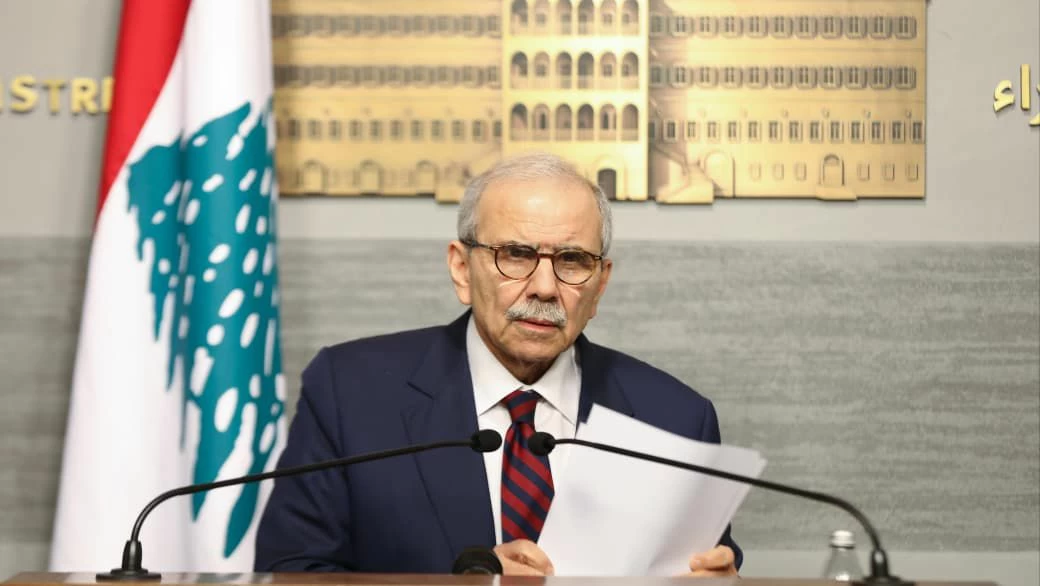
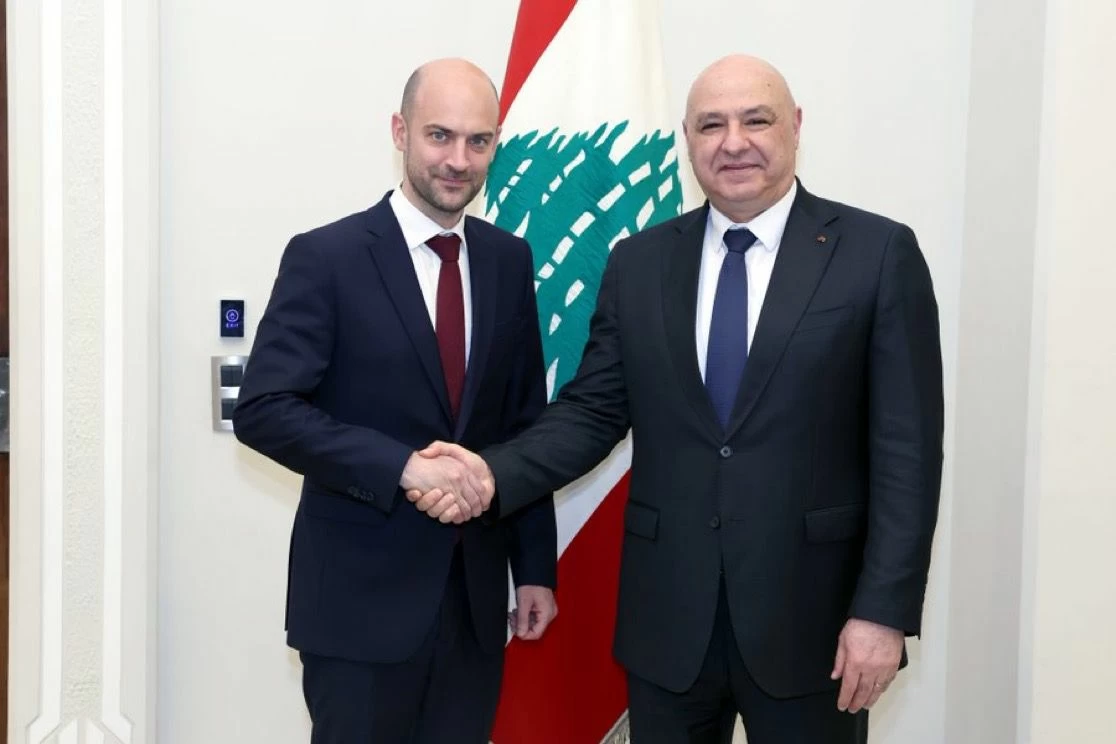
بدأ وزير الخارجية الفرنسي جان-نويل بارو، اليوم (الخميس)، جولة على المسؤولين اللبنانيين في إطار زيارة تضامنية مع الشعب اللبناني، حاملاً موقفاً فرنسياً داعماً لوقف التصعيد العسكري، ومؤكداً استعداد بلاده للعمل من أجل وضع حد للحرب، انطلاقاً من المبادرة التفاوضية التي أعلنها رئيس الجمهورية جوزيف عون.
وفي هذا السياق، شدد عون أمام بارو على أن «المبادرة التفاوضية لا تزال قائمة، لكن التصعيد العسكري يعيق انطلاقتها»، فيما أكد رئيس مجلس النواب نبيه بري أن تطبيق الاتفاق الذي أُنجز في نوفمبر 2024 بوساطة أمريكية وفرنسية، والالتزام به، كفيل بإنهاء العدوان وإعادة النازحين، مع التشديد على تفعيل آلية «الميكانيزم» كإطار للمراقبة والتطبيق والتفاوض.
في المقابل، أكد رئيس مجلس الوزراء نواف سلام أن استعادة قرار الحرب والسلم وحصره بيد الدولة يشكلان المدخل الأساس لحماية لبنان، مشدداً على ضرورة فك ارتباط البلاد بصراعات الآخرين، ووقف الحرب والتدمير والنزوح، وحماية المدنيين تمهيداً لإطلاق إعادة الإعمار.
وفي كلمة بمناسبة عيد الفطر، اليوم (الخميس)، اعتبر سلام أن لبنان لا يزال تحت وطأة حرب قاسية «لم تكن خيار اللبنانيين»، وأدت إلى نزوح مئات الآلاف وتدمير واسع في الجنوب والبقاع وبيروت، لافتاً إلى أن ما أصاب هذه المناطق أصاب لبنان بأكمله.
وأشار إلى أن البلاد عالقة في معادلة صعبة بين «مغامرات غير محسوبة وارتباطات إقليمية» من جهة، واعتداءات إسرائيلية متواصلة من جهة أخرى، ما يفرض التمسك بالمصلحة الوطنية العليا وحماية اللبنانيين جميعاً.
وشدد على أن الدولة لم تكن من اتخذ قرار إدخال لبنان في الحرب، قائلاً إنه «لا يجوز أن يُؤخذ البلد إلى الحرب ثم يُمنع اللبنانيون من مساءلة المسؤولين»، ولا أن يحلّ أحد مكان الدولة في قرار الحرب والسلم ثم تُترك وحدها لتحمّل النتائج.
وفي الشأن الداخلي، حذر سلام من تصاعد خطاب الكراهية والتخوين والتهديد، معتبراً أنه يهدد السلم الأهلي ويقوّض مؤسسات الدولة، ويخدم إسرائيل من خلال تعميق الانقسام الداخلي.
وأكد أن الدولة تواصل القيام بواجباتها في إغاثة النازحين وتأمين مراكز الإيواء والخدمات الأساسية، إلى جانب تحركها عربياً ودولياً لوقف الحرب، مشيراً إلى أن تحميلها وحدها المسؤولية يشكل محاولة لتغطية أسباب إدخال لبنان في الصراع.
وختم بالتأكيد أن «استعادة الدولة ليست ضد أحد بل هي حماية للجميع»، مشدداً على أنه لا مستقبل للبنان «إذا بقي نصف دولة ونصف ساحة»، وأن المرحلة تتطلب مرجعية واحدة وقانوناً واحداً وجيشاً واحداً.
French Foreign Minister Jean-Noël Barrot began today (Thursday) a tour of Lebanese officials as part of a solidarity visit with the Lebanese people, carrying a supportive French stance for halting military escalation, and affirming his country's readiness to work towards ending the war, based on the negotiating initiative announced by President Joseph Aoun.
In this context, Aoun emphasized before Barrot that "the negotiating initiative is still in place, but military escalation hinders its launch," while Speaker of the Parliament Nabih Berri confirmed that the implementation of the agreement reached in November 2024 through American and French mediation, and adherence to it, is sufficient to end the aggression and facilitate the return of displaced persons, stressing the need to activate the "mechanism" as a framework for monitoring, implementation, and negotiation.
On the other hand, Prime Minister Nawaf Salam affirmed that restoring the decision of war and peace and confining it to the state is the fundamental entry point for protecting Lebanon, emphasizing the necessity of disentangling the country from the conflicts of others, stopping the war, destruction, and displacement, and protecting civilians in preparation for the launch of reconstruction.
In a speech on the occasion of Eid al-Fitr today (Thursday), Salam considered that Lebanon is still under the burden of a harsh war that "was not the choice of the Lebanese," which has led to the displacement of hundreds of thousands and widespread destruction in the south, Bekaa, and Beirut, noting that what has affected these areas has affected all of Lebanon.
He pointed out that the country is stuck in a difficult equation between "unmeasured adventures and regional entanglements" on one hand, and ongoing Israeli assaults on the other, which necessitates adherence to the supreme national interest and the protection of all Lebanese.
He stressed that the state was not the one that made the decision to involve Lebanon in the war, stating that "it is unacceptable for the country to be taken to war and then for the Lebanese to be prevented from holding officials accountable," nor should anyone replace the state in the decision of war and peace and then leave it alone to bear the consequences.
Regarding internal matters, Salam warned of the rise of hate speech, betrayal, and threats, considering that it threatens civil peace and undermines state institutions, serving Israel by deepening internal divisions.
He confirmed that the state continues to fulfill its duties in aiding the displaced and securing shelters and essential services, alongside its efforts regionally and internationally to stop the war, pointing out that placing the responsibility solely on it is an attempt to cover up the reasons for involving Lebanon in the conflict.
He concluded by affirming that "the restoration of the state is not against anyone but is a protection for all," stressing that there is no future for Lebanon "if it remains half a state and half a battleground," and that the phase requires a single reference, one law, and one army.