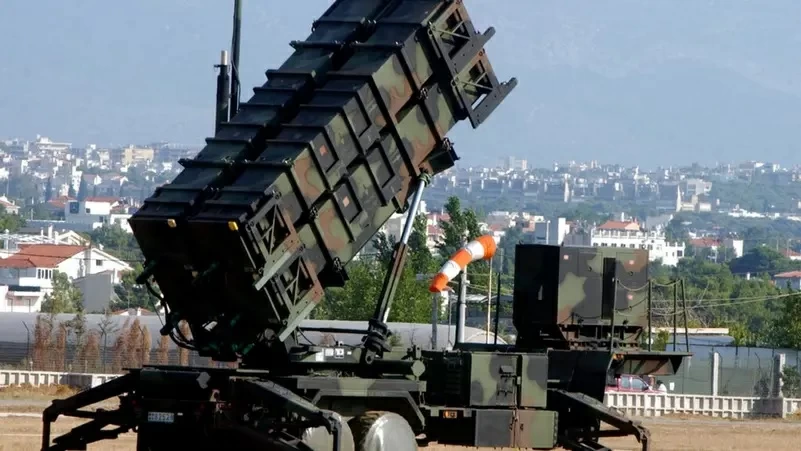
أعلنت السلطات التركية نشر منظومة باتريوت الدفاعية وسط البلاد، في ظل استمرار الحرب الأمريكية الإسرائيلية مع إيران.
وقالت وزارة الدفاع التركية، اليوم(الثلاثاء): إن نشر منظومة باتريوت الأمريكية للدفاع الجوي في إقليم ملاطية تم في إطار دفاعات حلف شمال الأطلسي «ناتو».
وتقع قاعدة كورجيك الرادارية التابعة للحلف في ملاطية، وتوفر بيانات حيوية للحلف وساهمت في تحديد موقع صاروخين باليستيين إيرانيين كانا متجهين نحو تركيا. وأكدت الوزارة في بيان أن تركيا ستواصل التعاون مع حلفائها في الحلف وتقييم التطورات بالمنطقة.
وكان المقر العسكري لحلف شمال الأطلسي، قال إن الحلف يعزز منظومة الدفاع الصاروخي الباليستي على مستوى دول الحلف بعد اعتراض صاروخ إيراني كان يستهدف تركيا.
ولفت المتحدث باسم المقر العسكري الأعلى للحلف في أوروبا الكولونيل مارتن أودونيل، في منشور على «إكس» إلى أن مستوى الجاهزية سيظل على مستوى عال إلى أن تهدأ حدة التهديدات من «الهجمات المستمرة والعشوائية التي تشنها إيران في أنحاء المنطقة».
من جانبها، نقلت صحيفة «واشنطن بوست» الأمريكية، في تقرير، اليوم عن مصدرين مسؤولين، تأكيدهما أن الولايات المتحدة شرعت في نقل أجزاء من نظام بطاريات الدفاع الصاروخي وصائد الصواريخ الباليستية «ثاد» من قواعدها في كوريا الجنوبية إلى منطقة الشرق الأوسط، بحسب ما أوردت وكالة يونهاب الكورية الجنوبية للأنباء.
وجاءت هذه الخطوة في ضوء تقارير إعلامية تتحدث عن قيام القوات الأمريكية المتمركزة في كوريا الجنوبية بشحن جزء من عتادها العسكري إلى الخارج، تزامناً مع اشتداد رحى الحرب الدائرة في الشرق الأوسط.
وذكرت الصحيفة أن «وزارة الدفاع الأمريكية (البنتاغون)، بدأت نقل مكونات من منظومة ثاد لاعتراض الصواريخ من كوريا الجنوبية إلى الشرق الأوسط».
يذكر أن هذه المنظومة، المعروفة بقدرتها على اعتراض الصواريخ المعادية في مرحلتها النهائية، تم نشرها في كوريا الجنوبية لتعزيز القدرات الدفاعية في مواجهة التهديدات الصاروخية القادمة من كوريا الشمالية.
وأكد الرئيس الكوري الجنوبي لي جيه ميونج خلال اجتماع لمجلس الوزراء، الثلاثاء، على أن أي عملية إعادة انتشار محتملة لمعدات عسكرية تابعة للقوات الأمريكية في كوريا، لن تخلّ بجودة الردع العسكري القائم ضد كوريا الشمالية.
The Turkish authorities announced the deployment of the Patriot defense system in the center of the country, amid the ongoing American-Israeli war with Iran.
The Turkish Ministry of Defense stated today (Tuesday) that the deployment of the American Patriot air defense system in the Malatya region was part of NATO defenses.
The Korjik radar base belonging to NATO is located in Malatya and provides vital data for the alliance, contributing to the identification of two Iranian ballistic missiles that were heading towards Turkey. The ministry confirmed in a statement that Turkey will continue to cooperate with its allies in the alliance and assess developments in the region.
NATO's military headquarters stated that the alliance is enhancing its ballistic missile defense system at the level of member countries after intercepting an Iranian missile that was targeting Turkey.
The spokesperson for NATO's Supreme Headquarters in Europe, Colonel Martin O'Donnell, noted in a post on "X" that the level of readiness will remain high until the threats from "the ongoing and random attacks being launched by Iran across the region" subside.
For its part, the American newspaper "The Washington Post" reported today, citing two responsible sources, that the United States has begun transferring parts of the THAAD missile defense system and ballistic missile interceptor batteries from its bases in South Korea to the Middle East, according to the South Korean news agency Yonhap.
This move comes in light of media reports indicating that American forces stationed in South Korea are shipping part of their military equipment abroad, coinciding with the intensification of the ongoing war in the Middle East.
The newspaper mentioned that "the U.S. Department of Defense (the Pentagon) has started transferring components of the THAAD missile interception system from South Korea to the Middle East."
It is worth noting that this system, known for its ability to intercept hostile missiles in their final phase, was deployed in South Korea to enhance defensive capabilities against missile threats coming from North Korea.
South Korean President Yoon Suk-yeol emphasized during a cabinet meeting on Tuesday that any potential redeployment of military equipment belonging to U.S. forces in Korea will not undermine the quality of the existing military deterrence against North Korea.