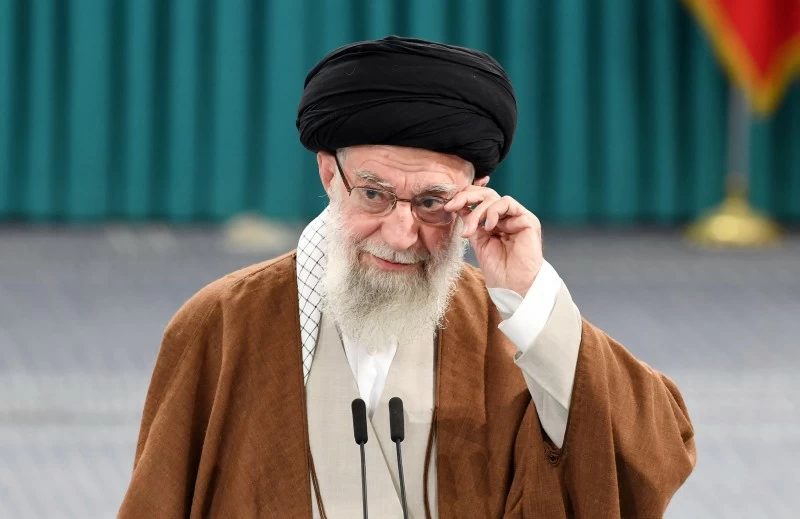
تدخل إيران أخطر منعطف سياسي وأمني في تاريخ جمهوريتها، في لحظة تتشابك فيها أزمة القيادة مع اشتعال الجبهات المتعددة، كرة النار تكبر والعالم يحتشد ضدها، لتبدو الدولة وكأنها تعمل بأطراف متحركة دون مركز قرار واضح.
فبعد اغتيال المرشد الأعلى علي خامنئي، لم ينجح النظام حتى الآن في إعلان خليفة رسمي يتولى زمام السلطة، رغم مرور وقت كافٍ كان يفترض أن يُحسم فيه المشهد وفق الآليات الدستورية المعروفة.
صحيح أن مجلساً مؤقتاً شُكّل لتسيير بعض المهمات، وأن أسماء عدة طُرحت داخل أروقة النظام، إلا أن الغياب العلني لقائد واضح يعكس ارتباكاً يتجاوز البعد البروتوكولي إلى جوهر معادلة الحكم. فإيران ليست دولة مؤسسات تقليدية تُدار عبر توزيع صلاحيات مرن، بل نظام مركزي شديد الارتباط بشخص المرشد بوصفه المرجعية العليا سياسياً وعسكرياً وعقائدياً.
في ظل هذا الفراغ، تتحرك المؤسسات الأمنية والعسكرية وفق خطط وُضعت مسبقاً، كما ألمح وزير الخارجية الإيراني، ما يعني أن العمليات الجارية تستند إلى تصورات سابقة لمرحلة ما قبل الاغتيال. هذا النمط من الإدارة الآلية قد يضمن استمرارية مؤقتة، لكنه لا يوفر قدرة حقيقية على تعديل المسار وفق تطورات الميدان أو تغير الحسابات الدولية.
الخطورة هنا لا تكمن فقط في غياب الاسم، بل في غياب نقطة التقاء القرار. فالدولة اليوم مطالبة بتحديد سقف التصعيد، وضبط إيقاع الردود، وقراءة أي مبادرات تهدئة محتملة من واشنطن أو غيرها، واتخاذ قرارات مصيرية بين التفاوض أو المواجهة. هذه خيارات لا تُدار عبر لجان انتقالية أو تعليمات مسبقة، بل تحتاج إلى مرجعية سياسية حاسمة قادرة على تحمل تبعات القرار.
في الأنظمة المغلقة، يشكّل غياب القائد اختباراً قاسياً لبنية الحكم نفسها. وإذا طال أمد الفراغ، فإن الأذرع قد تستمر في الحركة، لكن من دون عقل جامع يحدد الاتجاه، تصبح المخاطر مضاعفة؛ أخطاء تقدير، وتضارب رسائل، وربما قرارات ميدانية تتجاوز الحساب السياسي.
Iran is entering the most dangerous political and security turning point in its republic's history, at a moment when the leadership crisis intertwines with the escalation of multiple fronts. The fireball is growing, and the world is rallying against it, making the state appear as if it is operating with moving parts without a clear decision-making center.
After the assassination of Supreme Leader Ali Khamenei, the regime has not yet succeeded in announcing an official successor to take over the reins of power, despite the passage of sufficient time that should have resolved the situation according to known constitutional mechanisms.
It is true that a temporary council has been formed to manage some tasks, and several names have been proposed within the corridors of the regime, yet the public absence of a clear leader reflects confusion that transcends the protocol dimension to the essence of the governance equation. Iran is not a traditional institutional state managed through flexible distribution of powers, but rather a highly centralized system closely tied to the figure of the leader as the supreme reference politically, militarily, and ideologically.
In light of this vacuum, security and military institutions are operating according to pre-established plans, as hinted by the Iranian Foreign Minister, which means that the ongoing operations are based on prior perceptions from the pre-assassination phase. This mode of mechanical administration may ensure temporary continuity, but it does not provide a genuine ability to adjust the course according to field developments or changes in international calculations.
The danger here lies not only in the absence of a name but also in the lack of a decision-making convergence point. The state today is required to define the ceiling for escalation, regulate the rhythm of responses, interpret any potential de-escalation initiatives from Washington or others, and make fateful decisions between negotiation or confrontation. These are choices that cannot be managed through transitional committees or prior instructions but require a decisive political reference capable of bearing the consequences of the decision.
In closed systems, the absence of a leader constitutes a harsh test for the very structure of governance. If the vacuum persists, the arms may continue to move, but without a unifying mind to determine the direction, the risks multiply; misjudgments, conflicting messages, and perhaps field decisions that exceed political calculations.