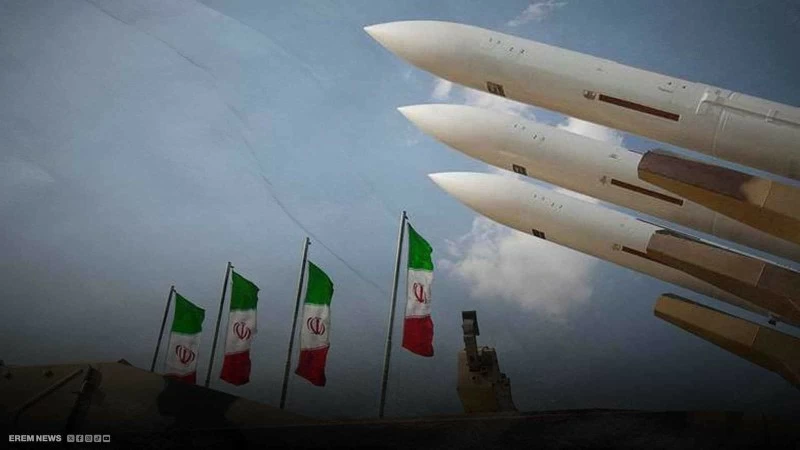
كشفت صحيفة «نيويورك تايمز» أن الجيش الإسرائيلي دمر نحو 200 منصة إطلاق صواريخ بالستية إيرانية، وعطّل عشرات أخرى، أي ما يقارب من نصف منصات الإطلاق التي تمتلكها طهران، منذ حرب الـ12 يوماً وحتى الآن.
زيادة إنتاج الصواريخ البالستية
واستهدفت الغارات في الهجوم الحالي، إضافة إلى غارة سابقة نُفّذت الصيف الماضي تحت اسم «الأسد الصاعد»، منشأة إيران المركزية لتصنيع المتفجرات، التي تُزوّد إيران بالمواد اللازمة لرؤوس الصواريخ الحربية وبرامج أسلحة أخرى، بما في ذلك الصواريخ والطائرات المسيّرة وصواريخ كروز.
وقبل أن تشنّ إسرائيل هجومها الجوي الذي استمر 12 يوماً على إيران الصيف الماضي، كانت الاستخبارات الإسرائيلية قد خلصت إلى أن إيران تسعى إلى زيادة إنتاجها من الصواريخ البالستية بشكل كبير، وتعزيز بنيتها التحتية تحت الأرض.
وقدّرت إسرائيل مخزون إيران بنحو 3000 صاروخ، لكن تقارير استخباراتية أفادت بأن الإيرانيين يخططون لإنتاج ما يصل إلى 8000 صاروخ بحلول 2027.
تدمير مصانع إنتاج أنظمة متطورة
ورغم النكسات التي سببها الصراع الذي دام 12 يوماً العام الماضي، عملت إيران على إعادة بناء قدراتها الإنتاجية الصاروخية، وفقاً للسلطات الإسرائيلية. وتشير التقديرات إلى أن الإنتاج الحالي يبلغ عشرات الصواريخ شهرياً، ويبدو أنه يتسارع. وتفيد التقارير بأن إيران تسعى أيضاً للحصول على مكونات من الخارج لإعادة بناء ترسانتها الصاروخية أرض-أرض. وقد كانت هذه الصواريخ ومنصات إطلاقها هدفاً رئيسياً للغارات الجوية الإسرائيلية والأمريكية يومي السبت والأحد.
ويسعى الجيش الإسرائيلي إلى تدمير مصانع إنتاج أنظمة متطورة مضادة للدبابات مخصصة لـ«حزب الله» في لبنان، فضلاً عن مواقع بحثية متخصصة، وفقاً لمسؤول عسكري. وقال المسؤول إن الضربات تهدف إلى تأخير تطوير الأسلحة «لعدة سنوات».
الوضع مقلق في الشرق الأوسط
في غضون ذلك، عقدت الوكالة الدولية للطاقة الذرية اجتماعاً استثنائياً في فيينا، اليوم (الإثنين)، لبحث ملف إيران. وكشفت الوكالة ألا مؤشرات على إصابة أي منشآت نووية في إيران أو تعرضها لأضرار بعد الهجوم الإسرائيلي الأمريكي.
وأكد المدير العام للوكالة الدولية للطاقة الذرية رافايل غروسي أن الوضع في الشرق الأوسط «مقلق جداً»، داعياً إلى «ممارسة أقصى درجات ضبط النفس لتجنّب مزيد من التصعيد». وطلبت روسيا عقد اجتماع السبت، بعد طلب مماثل من قبل إيران.
ويأتي الاجتماع الاستثنائي قبيل جلسة دورية مقررة لمجلس حكام الوكالة الذي يمثّل 35 دولة.
The New York Times revealed that the Israeli army has destroyed about 200 Iranian ballistic missile launch platforms and disabled dozens more, which is nearly half of the launch platforms owned by Tehran, since the 12-day war until now.
Increase in Ballistic Missile Production
The current airstrikes targeted, in addition to a previous strike carried out last summer under the name "Rising Lion," Iran's central facility for manufacturing explosives, which supplies Iran with the necessary materials for warhead missiles and other weapon programs, including missiles, drones, and cruise missiles.
Before Israel launched its 12-day air assault on Iran last summer, Israeli intelligence had concluded that Iran was seeking to significantly increase its ballistic missile production and enhance its underground infrastructure.
Israel estimated Iran's stockpile at about 3,000 missiles, but intelligence reports indicated that the Iranians plan to produce up to 8,000 missiles by 2027.
Destruction of Advanced Systems Production Facilities
Despite the setbacks caused by the 12-day conflict last year, Iran has been working to rebuild its missile production capabilities, according to Israeli authorities. Estimates suggest that current production is in the dozens of missiles per month and appears to be accelerating. Reports indicate that Iran is also seeking components from abroad to rebuild its ground-to-ground missile arsenal. These missiles and their launch platforms have been a primary target of Israeli and American airstrikes on Saturday and Sunday.
The Israeli army aims to destroy production facilities for advanced anti-tank systems designated for "Hezbollah" in Lebanon, as well as specialized research sites, according to a military official. The official stated that the strikes aim to delay the development of weapons "for several years."
The Situation is Concerning in the Middle East
Meanwhile, the International Atomic Energy Agency held an extraordinary meeting in Vienna today (Monday) to discuss the Iran file. The agency revealed that there are no indications of any nuclear facilities in Iran being hit or damaged following the Israeli-American attack.
IAEA Director General Rafael Grossi confirmed that the situation in the Middle East is "very concerning," calling for "the utmost restraint to avoid further escalation." Russia requested a meeting on Saturday, following a similar request from Iran.
The extraordinary meeting comes ahead of a scheduled regular session of the agency's Board of Governors, which represents 35 countries.