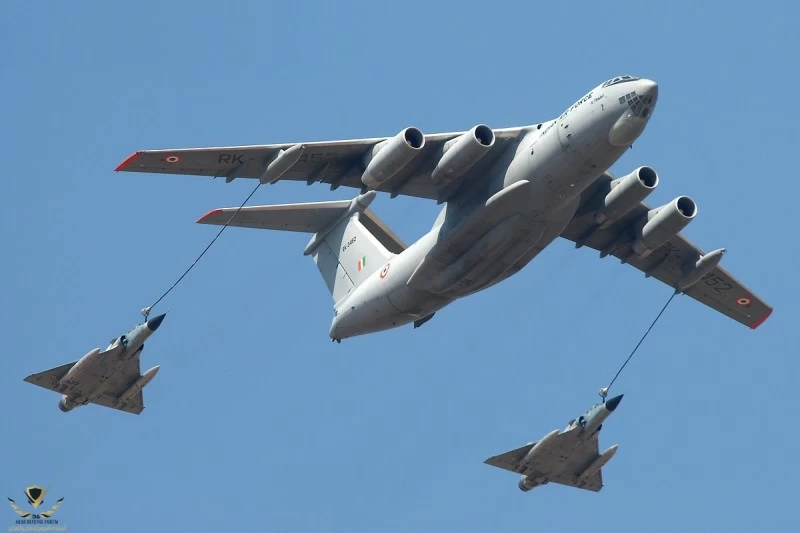
كشفت بيانات ملاحية من منصة «فلايت رادار 24»، إقلاع 9 طائرات تزويد بالوقود جوّاً من طراز «بوينغ ستارتوتانكر كيه سي-135 آر» (Boeing KC-135R Stratotanker) تابعة للقوات الجوية الأمريكية من قواعد داخل الولايات المتحدة باتجاه أوروبا، في تحرك متزامن بعد مقتل المرشد الإيراني علي خامنئي.
وحسب تحليل وحدة المصادر المفتوحة، واصلت 6 طائرات مسارها من الأجواء الأوروبية نحو الشرق الأوسط، بينما بقيت 3 أخرى في مسارات عبور فوق أوروبا.
هذا النوع من التحركات لا يُقرأ بوصفه مجرد نشاط جوي اعتيادي، إذ تشكل ناقلات الوقود العمود الفقري لأي انتشار قتالي ممتد.
وتمنح القدرة على إبقاء المقاتلات والقاذفات وطائرات الاستطلاع في الجو لفترات أطول، وتوسيع نطاق عملها دون الحاجة إلى الهبوط في قواعد أمامية، ومنح صانع القرار هامشاً عملياتياً أوسع، سواء للردع أو لتنفيذ عمليات محددة.
وارتفع منسوب التوتر في المنطقة بعد مقتل خامنئي، وسط توقعات برد إيراني محتمل أو تحركات من حلفاء طهران في أكثر من ساحة.
وتبدو خطوة تعزيز شبكة التزويد بالوقود جزءاً من رفع سقف الجاهزية الجوية للقوات الأمريكية العاملة في الشرق الأوسط، فالوقود هنا ليس تفصيلاً لوجستياً، بل أداة تمكين إستراتيجية.
وبالنظر إلى توزيع المسارات، فإن انتقال 6 طائرات من أوروبا نحو الشرق الأوسط يعكس توجهاً واضحاً لتكثيف الحضور الجوي في المجال العملياتي الأقرب إلى إيران. فيما يحافظ بقاء 3 طائرات في المجال الأوروبي، على طبقة دعم احتياطية يمكن إعادة توجيهها بحسب تطور الموقف. وتعني هذه المرونة أن واشنطن لا تتحرك بخط مستقيم نحو التصعيد، بل تبني خيارات متعددة في بيئة إقليمية شديدة الحساسية.
Navigational data from the "Flight Radar 24" platform revealed the takeoff of 9 air refueling aircraft of the "Boeing KC-135R Stratotanker" model belonging to the U.S. Air Force from bases within the United States heading towards Europe, in a synchronized move following the death of Iranian leader Ali Khamenei.
According to an analysis by the open-source unit, 6 aircraft continued their course from European airspace towards the Middle East, while 3 others remained on crossing paths over Europe.
This type of movement is not merely read as routine air activity, as fuel tankers form the backbone of any extended combat deployment.
They provide the capability to keep fighters, bombers, and reconnaissance aircraft in the air for longer periods, expanding their operational range without the need to land at forward bases, granting decision-makers a broader operational margin, whether for deterrence or for executing specific operations.
Tensions in the region have risen following Khamenei's death, amid expectations of a potential Iranian response or movements from Tehran's allies in multiple arenas.
The step to enhance the refueling network appears to be part of raising the air readiness ceiling for U.S. forces operating in the Middle East, as fuel here is not just a logistical detail, but a strategic enabling tool.
Looking at the distribution of the routes, the movement of 6 aircraft from Europe towards the Middle East reflects a clear trend to intensify air presence in the operational area closer to Iran. Meanwhile, the presence of 3 aircraft in European airspace maintains a reserve support layer that can be redirected based on the evolution of the situation. This flexibility means that Washington is not moving in a straight line towards escalation, but is building multiple options in a highly sensitive regional environment.