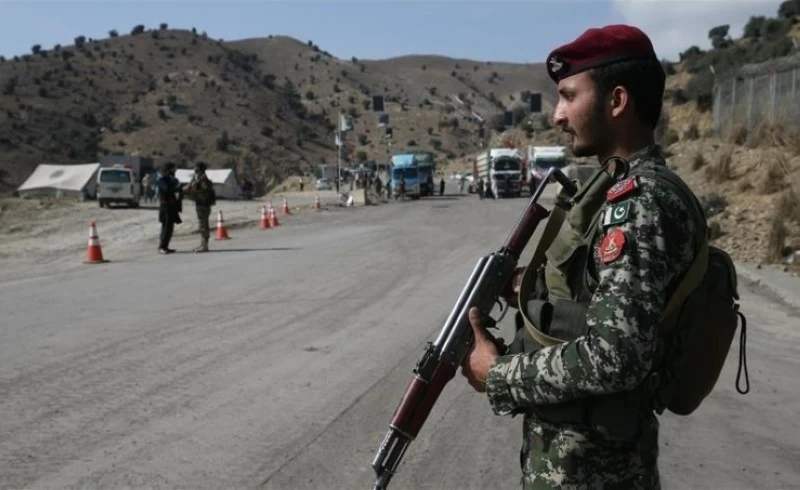
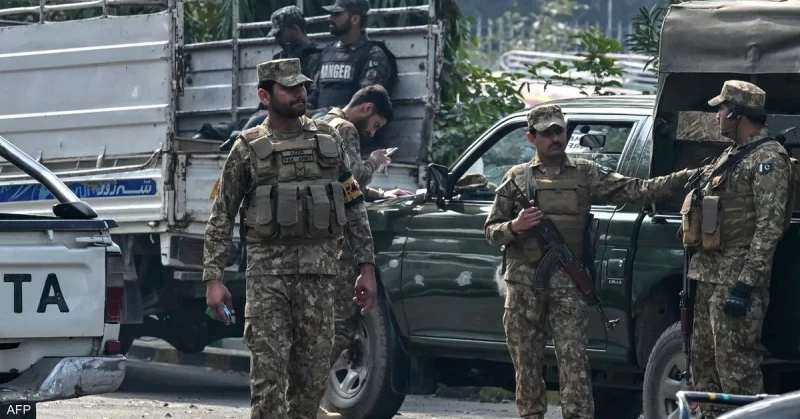
أعلنت السلطات الباكستانية أن الجيش نفّذ صباح أمس (الأحد)، ضربات جوية مكثفة استهدفت سبعة معسكرات ومخابئ للمسلحين داخل الأراضي الأفغانية على طول الشريط الحدودي المشترك، ما أسفر عن مقتل ما لا يقل عن 70 مسلحاً، في عملية وصفتها إسلام آباد بأنها «رد انتقامي» على موجة التفجيرات الانتحارية الأخيرة التي شهدتها البلاد خلال شهر رمضان وأودت بحياة العشرات.
وقال نائب وزير الداخلية الباكستاني طلال تشودري إن الضربات كانت «ذكية وانتقائية» ونُفذت استناداً إلى معلومات استخباراتية دقيقة، واستهدفت معسكرات تابعة لـ«تحريك طالبان باكستان» وفصائل مرتبطة بها، إضافة إلى عناصر من تنظيم «داعش خراسان». وأكد أن حصيلة القتلى بلغت 70 على الأقل، فيما رفعت تقارير إعلامية باكستانية العدد لاحقاً إلى 80.
اتهامات متبادلة
من جهتها، أدانت سلطات حركة «طالبان» في كابول الضربات بشدة، مؤكدة أنها طالت مناطق مدنية في محافظتي ننغرهار وبكتيا شرق أفغانستان، وأسفرت عن سقوط قتلى وجرحى من المدنيين، بينهم نساء وأطفال، ووصفتها بأنها «عدوان صارخ» على السيادة الأفغانية، متوعدة برد «مناسب ومحسوب»، ومحذرة من تداعيات قد تهدد الهدنة الهشة بين البلدين.
وتشهد باكستان منذ مطلع 2026 تصاعداً ملحوظاً في الهجمات المسلحة، خصوصاً في إقليم خيبر بختونخوا والمناطق القبلية المتاخمة لأفغانستان، حيث نفذت «تحريك طالبان باكستان» سلسلة تفجيرات انتحارية، من بينها هجوم استهدف مسجداً شيعياً في إسلام آباد، وآخران في بانو وباجور، ما أدى إلى سقوط عشرات الضحايا من المدنيين والعسكريين.
جذور التوتر
وتتهم إسلام آباد حركة «طالبان» الأفغانية بتوفير ملاذ آمن لعناصر «طالبان باكستان» داخل الأراضي الأفغانية، مطالبةً بتسليم قادتها أو تفكيك معسكراتهم. في المقابل، تنفي كابول تلك الاتهامات، وتعتبر الضربات الباكستانية تدخلاً عسكرياً متكرراً، مشيرة إلى سقوط مدنيين في عمليات سابقة، أبرزها «عملية عاصفة خيبر» في أكتوبر 2025.
ويعود التوتر المتصاعد إلى سيطرة «طالبان» على كابول عام 2021، إذ ترى باكستان أن تراجع الضغوط الأمنية على الجماعات المسلحة مكّن «طالبان باكستان» من إعادة تنظيم صفوفها وتنفيذ هجمات عابرة للحدود. وتُعد الضربات الأخيرة من أوسع العمليات الجوية الباكستانية داخل أفغانستان منذ سنوات، ما يفتح الباب أمام مرحلة جديدة من التصعيد الحدودي وتعقيد المشهد الأمني في المنطقة.
The Pakistani authorities announced that the army carried out intensive airstrikes yesterday morning (Sunday) targeting seven camps and hideouts of militants inside Afghan territory along the shared border, resulting in the deaths of at least 70 militants, in an operation described by Islamabad as a "retaliatory response" to the recent wave of suicide bombings that the country witnessed during Ramadan, which claimed the lives of dozens.
Deputy Interior Minister Talal Chaudhry stated that the strikes were "smart and selective" and were carried out based on accurate intelligence information, targeting camps belonging to the "Tehrik-i-Taliban Pakistan" and factions linked to it, in addition to elements of the "ISIS Khorasan" organization. He confirmed that the death toll reached at least 70, while Pakistani media reports later raised the number to 80.
Mutual Accusations
For its part, the Taliban authorities in Kabul strongly condemned the strikes, asserting that they targeted civilian areas in the Nangarhar and Paktia provinces in eastern Afghanistan, resulting in civilian casualties, including women and children, and described them as a "blatant aggression" against Afghan sovereignty, vowing a "suitable and calculated" response, warning of repercussions that could threaten the fragile truce between the two countries.
Since the beginning of 2026, Pakistan has witnessed a noticeable increase in armed attacks, particularly in the Khyber Pakhtunkhwa province and the tribal areas adjacent to Afghanistan, where the "Tehrik-i-Taliban Pakistan" has carried out a series of suicide bombings, including an attack on a Shia mosque in Islamabad, and two others in Bannu and Bajaur, leading to dozens of civilian and military casualties.
Roots of Tension
Islamabad accuses the Afghan Taliban of providing a safe haven for elements of the "Tehrik-i-Taliban Pakistan" within Afghan territory, demanding the handover of their leaders or the dismantling of their camps. In contrast, Kabul denies these accusations, considering the Pakistani strikes a recurring military intervention, pointing to civilian casualties in previous operations, notably the "Khyber Storm Operation" in October 2025.
The escalating tension dates back to the Taliban's takeover of Kabul in 2021, as Pakistan believes that the reduction of security pressures on armed groups has enabled the "Tehrik-i-Taliban Pakistan" to reorganize and carry out cross-border attacks. The recent strikes are among the most extensive Pakistani air operations inside Afghanistan in years, opening the door to a new phase of border escalation and complicating the security landscape in the region.