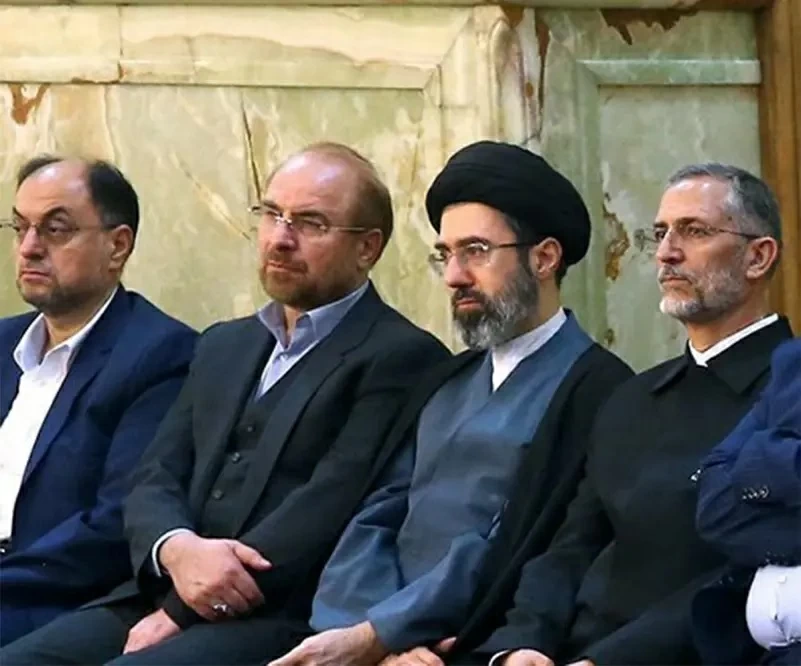
فيما تحدث الرئيس الأمريكي دونالد ترمب عن وجود انقسامات بين أجنحة النظام الإيراني تحول دون تحقيق تقدم في المفاوضات، اعتبر مسؤولون أمريكيون وإسرائيليون «أن لا تصدع في الحكم الإيراني، لكن هناك عدم استعداد لتقديم تنازلات».
ليس المرشد وحده صاحب القرار
وأفاد المسؤولون بأن المشكلة في إيران ليست في من يتخذ القرار، بل عدم الاستعداد لتقديم تنازلات، بحسب ما أوردت شبكة «إي بي سي»، اليوم السبت.
ولفتت مصادر مطلعة معنية بالملفات الأمنية، إضافة إلى رئيس سابق لفرع إيران في شعبة الأبحاث والتحليل (RAD) في الاستخبارات العسكرية الإسرائيلية، إلى أن صنع القرار في إيران لم يعد متمركزاً حول المرشد الأعلى مجتبى خامنئي كما كان قبل الحرب، وأنه لا توجد فجوة كبيرة بين مختلف التيارات داخل النظام، خلافاً لما يروّج له الآن.
لا أدلة على وجود تصدعات
من جانبه، رجح مصدر إقليمي مطلع على المعلومات الاستخبارية، أنه قد تكون هناك اختلافات في التركيز والأسلوب داخل النظام الإيراني، لكن لا أدلة واضحة على وجود تصدعات على مستوى اتخاذ القرار المركزي.
لكن مسؤولاً إسرائيلياً دحض هذه الرواية، وأكد أن «إيران باتت بعد الحرب أضعف مما كانت عليه في أي وقت مضى، معتبراً أنه لا يزال هناك الكثير مما يجب القيام به، إما عبر التفاوض أو عبر وسائل أخرى.
وكانت مصادر مطلعة لفتت إلى قلق الوسطاء من انقسامات القيادة الإيرانية. وذكرت أن قائد الحرس الثوري أحمد وحيدي من بين المعارضين لتقديم التنازلات في الملف التفاوضي، وفق ما نقلت صحيفة «وول ستريت جورنال». وقالت المصادر إن محمود نبويان أحد أعضاء وفد التفاوض الإيراني، انتقد علناً قيادة كبير المفاوضين رئيس البرلمان محمد باقر قاليباف.
خسارة عشرات القادة
وخسرت إيران خلال الحرب التي تفجرت في 28 فبراير الماضي العشرات من قادتها السياسيين الكبار والعسكريين، على رأسهم المرشد السابق علي خامنئي، بينما أصيب نجله وخليفته مجتبى بجروح بالغة حدّت بشكل كبير تواصله مع القادة، إذ أكدت مصادر إيرانية عدة أن التواصل معه بات يقتصر على دائرة ضيقة جدا، لكنها أوضحت أنه لا يزال قادراً على القيام بمهماته في إدارة سياسة البلاد.
ولا تزال المساعي الباكستانية مستمرة من أجل الدفع نحو عقد جولة ثانية من المحادثات بين الجانبين الأمريكي والإيراني، وسط تمسك كل طرف بخطوطه الحمراء. إذ ترفض إيران التخلي نهائياً عن حقها في التخصيب أو برنامجها الصاروخي، وتربط العودة إلى طاولة التفاوض برفع الحصار البحري الأمريكي عن موانئها. بينما تتمسك واشنطن بإبقاء الحصار حتى فتح مضيق هرمز الحيوي، والتوصل لاتفاق يرضي مطالبها.
While U.S. President Donald Trump spoke about divisions among the wings of the Iranian regime that hinder progress in negotiations, American and Israeli officials considered that "there is no fracture in Iranian governance, but there is an unwillingness to make concessions."
The Supreme Leader is not the only decision-maker
Officials stated that the problem in Iran is not about who makes the decisions, but rather the lack of willingness to make concessions, according to what the "ABC" network reported today, Saturday.
Informed sources involved in security files, along with a former head of the Iran branch in the Research and Analysis Division (RAD) of Israeli military intelligence, pointed out that decision-making in Iran is no longer centered around Supreme Leader Ali Khamenei as it was before the war, and that there is not a significant gap between the various factions within the regime, contrary to what is currently being promoted.
No evidence of fractures
For his part, a regional source familiar with intelligence information suggested that there may be differences in focus and style within the Iranian regime, but there is no clear evidence of fractures at the level of central decision-making.
However, an Israeli official refuted this narrative, asserting that "Iran has become weaker after the war than it has ever been, considering that there is still much to be done, either through negotiations or other means."
Informed sources indicated that mediators are concerned about divisions within the Iranian leadership. They mentioned that Revolutionary Guard Commander Ahmad Vahidi is among those opposed to making concessions in the negotiation file, according to what the "Wall Street Journal" reported. The sources stated that Mahmoud Nabavian, a member of the Iranian negotiation delegation, publicly criticized the leadership of chief negotiator and Parliament Speaker Mohammad Baqer Qalibaf.
Loss of dozens of leaders
Iran lost dozens of its senior political and military leaders during the war that erupted on February 28, including former Supreme Leader Ali Khamenei, while his son and successor Mojtaba was severely injured, significantly limiting his communication with leaders. Several Iranian sources confirmed that communication with him has become restricted to a very narrow circle, but they clarified that he is still capable of performing his duties in managing the country's policies.
Efforts by Pakistan to push for a second round of talks between the American and Iranian sides are still ongoing, amid both parties' adherence to their red lines. Iran refuses to completely abandon its right to enrichment or its missile program, linking its return to the negotiating table to the lifting of the American maritime blockade on its ports. Meanwhile, Washington insists on maintaining the blockade until the vital Strait of Hormuz is opened and an agreement is reached that meets its demands.