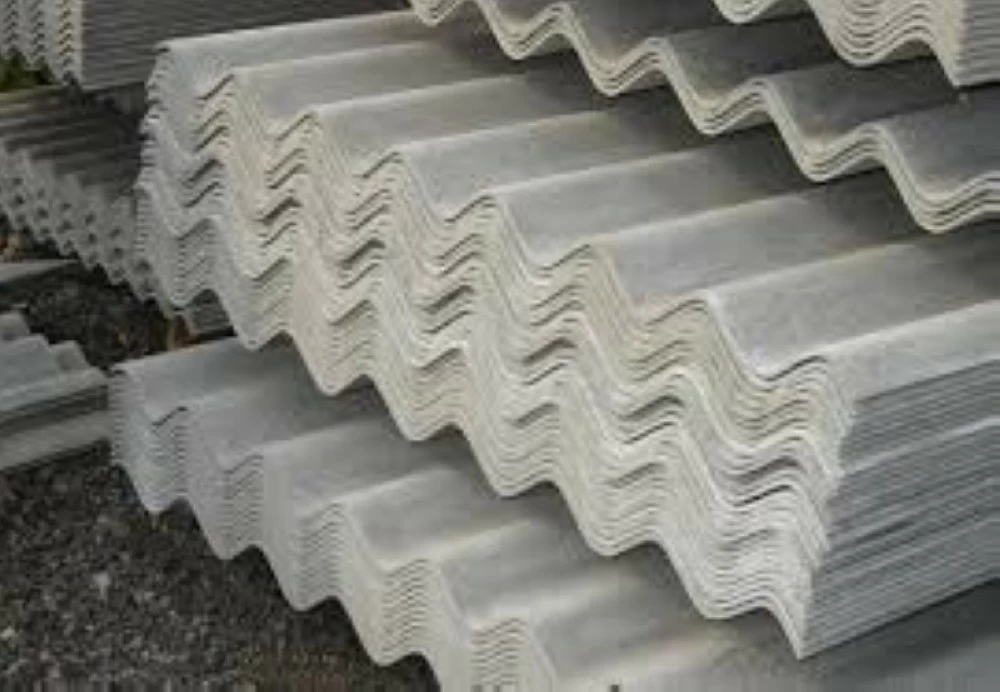
جاء قرار مجلس الوزراء بتشكيل لجنة دائمة تُعنى بمتابعة كل ما يتعلق بمادة الأسبستوس، تعزيزا للجهود الوطنية لحظر هذه المادة شديدة الخطورة. وامتداداً لقرارات سابقة أصدرها المجلس في عامي 1418هـ و1421هـ، والتي نصّت على منع استخدام الأسبستوس واستيراده وتصديره وتصنيعه، والدعوة الى استبداله في المباني وشبكات المياه والتخلص الآمن منه.
وتشرف جهات حكومية عدة على تنفيذ عمليات الإزالة، بينها المركز الوطني للأرصاد ووزارة البلديات تماشياً مع التوجهات الدولية التي أثبتت خطورة الأسبستوس على الصحة والبيئة.
ويُعد الأسبستوس، أو «الحرير الصخري»، من المعادن الليفية التي كانت تُستخدم في مواد البناء والعزل لمقاومتها العالية للحرارة، إلا أن الدراسات أثبتت أنه مادة مسرطنة تسبب أمراضاً رئوية مزمنة مثل تليّف الرئة وتظهر أعراضها بعد سنوات طويلة من التعرض.
وينبه المختصون أن استنشاق ألياف الأسبستوس الدقيقة يؤدي إلى تندّب أنسجة الرئة وضيق التنفس، خصوصاً لدى العاملين في المجالات التي كانت تعتمد على منتجات تحتوي على هذه المادة. و تشير الأبحاث إلى أن الأسبستوس يُستخرج من مناجم في جنوب أفريقيا وفنلندا وروسيا، ويُستخدم في العزل الحراري لمختلف التطبيقات ما يجعل التعامل معه دون احتياطات صارمة خطراً كبيراً على الصحة العامة.
The Cabinet's decision to form a permanent committee concerned with monitoring everything related to asbestos comes as an enhancement of national efforts to ban this highly dangerous material. This extends previous decisions issued by the council in the years 1418 AH and 1421 AH, which stipulated the prohibition of the use, import, export, and manufacture of asbestos, and called for its replacement in buildings and water networks, as well as its safe disposal.
Several government agencies supervise the removal operations, including the National Center for Meteorology and the Ministry of Municipalities, in line with international trends that have proven the dangers of asbestos to health and the environment.
Asbestos, or "rock wool," is a fibrous mineral that was used in construction and insulation materials due to its high resistance to heat. However, studies have shown that it is a carcinogenic material that causes chronic respiratory diseases such as pulmonary fibrosis, with symptoms appearing many years after exposure.
Experts warn that inhaling fine asbestos fibers leads to scarring of lung tissue and shortness of breath, especially among workers in fields that relied on products containing this material. Research indicates that asbestos is extracted from mines in South Africa, Finland, and Russia, and is used in thermal insulation for various applications, making handling it without strict precautions a significant danger to public health.