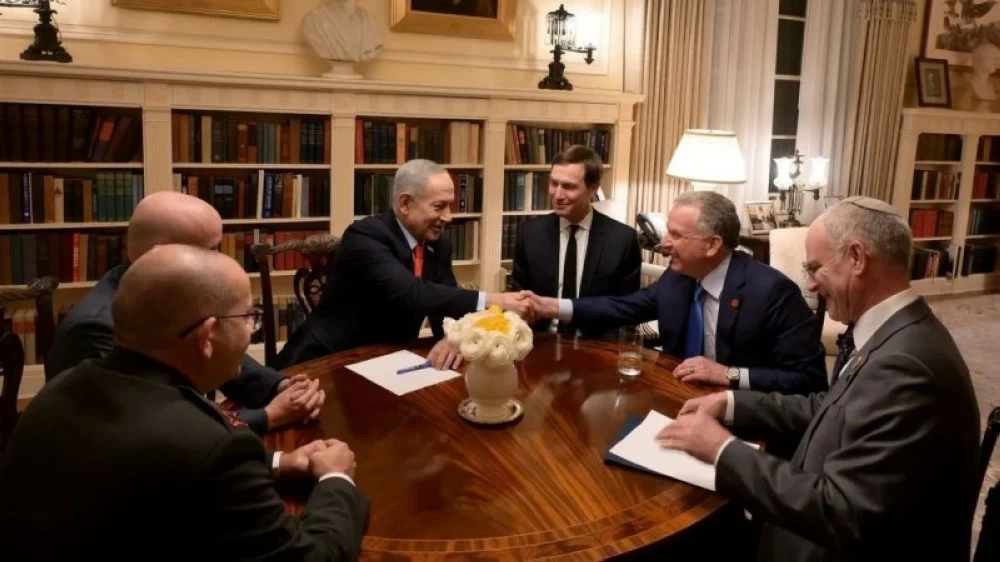
فيما تبدي طهران وواشنطن «تفاؤلاً حذراً» عقب محادثات غير مباشرة عُقدت في مسقط، الجمعة الماضي، يسعى رئيس الوزراء الإسرائيلي بنيامين نتنياهو، خلال لقاء الرئيس الأمريكي دونالد ترمب في البيت الأبيض، اليوم (الأربعاء)، إلى التأثير على مسار المفاوضات الأمريكية الإيرانية، من خلال الإبقاء على الخيار العسكري.
مناقشة خيارات عسكرية
ونقلت شبكة CNN عن مصدرين إسرائيليين قولهما، إن نتنياهو يعتزم مناقشة خيارات عسكرية محتملة ضد إيران مع ترمب، في وقت تستعد فيه إسرائيل لسيناريوهات بديلة في حال فشل المفاوضات الأمريكية - الإيرانية.
وأضاف المصدران، أن إسرائيل لا تزال متشككة في فرص نجاح المفاوضات بين الولايات المتحدة وإيران، لكنها تضغط للحفاظ على «حرية عملها العسكري» في إطار أي اتفاق محتمل.
وبحسب أحد المصدرين، يخطط نتنياهو لتقديم معلومات استخباراتية جديدة لترمب بشأن القدرات العسكرية الإيرانية.
وقال المصدر إن إسرائيل قلقة من تقدم إيران في إعادة بناء مخزونها وقدراتها من الصواريخ الباليستية إلى ما كانت عليه قبل حرب الأيام الاثني عشر، مضيفاً أن التقدير الإسرائيلي يشير إلى أنه من دون تحرك، قد تمتلك إيران ما بين 1800 و2000 صاروخ باليستي خلال أسابيع أو أشهر.
3 مطالب إسرائيلية
وقبل ساعات من اللقاء، قال نتنياهو إنه سيعرض على ترمب المبادئ الإسرائيلية في ما يتعلق بالمفاوضات، والتي تشمل التفكيك الكامل لمنشآت تخصيب اليورانيوم الإيرانية، وفرض قيود على برنامج الصواريخ الباليستية، وإنهاء الدعم الإيراني للجماعات الإقليمية.
وخلال زيارته إلى سلطنة عمان، أبدى أمين المجلس الأعلى للأمن القومي الإيراني، علي لاريجاني، تفاؤله بإمكانية التوصل إلى تهدئة إستراتيجية مع الولايات المتحدة، إلا أنه حذر من الدور الإسرائيلي في تأجيج التوتر في المنطقة.
ووصفت طهران وواشنطن الجولة الأولى من المفاوضات في مسقط بالإيجابية، فيما توقع ترمب عقد الجولة الجديدة الأسبوع القادم.
ترمب يرغب في اتفاق
ويرى ترمب أن إيران ترغب في التوصل إلى اتفاق، رغم تلويحه بالخيار العسكري للضغط على المسؤولين في طهران. وقال في مقابلة مع قناة «فوكس نيوز بيزنس»: «سنرى ما سيحدث، أعتقد أنهم يريدون إبرام اتفاق، سيكون من الحماقة إذا لم يفعلوا، لقد قضينا على قدراتهم النووية في المرة الماضية، وسنرى إن كنا سنقضي على المزيد هذه المرة». وأضاف: «يجب أن يكون اتفاقاً جيداً، لا أسلحة نووية، ولا صواريخ».
وفي مقابلة أخرى مع موقع «أكسيوس»، أعلن ترمب أنه يدرس إرسال حاملة طائرات ثانية إلى الشرق الأوسط بهدف الاستعداد لعمل عسكري في حال فشل المفاوضات مع إيران.
وأضاف: «إما أن نبرم اتفاقاً أو سنضطر إلى القيام بشيء قاسٍ جداً مثل المرة الماضية»، لافتا إلى أنه «لدينا أسطول متجه إلى هناك، وربما يتجه أسطول آخر أيضاً»، وأنه «يفكر» في إرسال حاملة طائرات إضافية.
توسيع محتمل للمفاوضات
وبينما يحاول نتنياهو الضغط على واشنطن للتصعيد في المفاوضات وفرض شروط أكثر قسوة على طهران، حذر لاريجاني في مقابلة مع تلفزيون سلطنة عمان من دور إسرائيل البارز في تأجيج التوترات وافتعال الأزمات في المنطقة، لافتا إلى أن التصريحات الأخيرة بشأن زيارة نتنياهو إلى الولايات المتحدة ومحاولة فرض مهل زمنية على طهران من شأنها أن تولد إشكالات إضافية.
وأبدى لاريجاني تفاؤله بإمكانية أن تحمل المرحلة القادمة فرصاً لتهدئة إستراتيجية، أو على الأقل إعادة تموضع سياسي، وفقاً لما ستؤول إليه نتائج الحوار.
وأشار إلى أنه «في حال نجاح المفاوضات في الملف النووي، يمكن توسيعها لاحقاً لتشمل مجالات أخرى»، ولكنه شدد على أنه «لا يمكن في الوقت الراهن الجزم بإمكانية الانتقال إلى بحث خلافات أخرى».
وشدد على أن «إيران ترى منذ البداية أن الحرب لا تمثل حلاً للخلافات بين البلدين، وأن النزاعات الإقليمية بين إيران والولايات المتحدة ينبغي حلها عبر الحوار والمحادثات». ولفت إلى أن الاعتماد على لغة القوة كان خطأ من جانب بعض الأطراف، وأسهم في تعقيد المسارات التفاوضية وإحداث مشكلات عديدة في الحوار.
While Tehran and Washington express "cautious optimism" following indirect talks held in Muscat last Friday, Israeli Prime Minister Benjamin Netanyahu is seeking to influence the course of U.S.-Iranian negotiations during his meeting with U.S. President Donald Trump at the White House today (Wednesday) by maintaining the military option.
Discussion of Military Options
CNN reported that two Israeli sources stated Netanyahu intends to discuss potential military options against Iran with Trump, as Israel prepares for alternative scenarios in case U.S.-Iran negotiations fail.
The sources added that Israel remains skeptical about the chances of success for the negotiations between the United States and Iran, but it is pushing to maintain "freedom of military action" within any potential agreement.
According to one of the sources, Netanyahu plans to present new intelligence information to Trump regarding Iran's military capabilities.
The source indicated that Israel is concerned about Iran's progress in rebuilding its stockpile and capabilities of ballistic missiles to what they were before the twelve-day war, adding that Israeli estimates suggest that without action, Iran could possess between 1,800 and 2,000 ballistic missiles within weeks or months.
Three Israeli Demands
Hours before the meeting, Netanyahu stated he would present Trump with Israel's principles regarding the negotiations, which include the complete dismantling of Iran's uranium enrichment facilities, imposing restrictions on the ballistic missile program, and ending Iranian support for regional groups.
During his visit to Oman, Iran's Secretary of the Supreme National Security Council, Ali Larijani, expressed optimism about the possibility of reaching a strategic calm with the United States, but he warned of Israel's role in escalating tensions in the region.
Tehran and Washington described the first round of negotiations in Muscat as positive, while Trump anticipated holding the new round next week.
Trump Wants an Agreement
Trump believes that Iran wants to reach an agreement, despite his hints at the military option to pressure officials in Tehran. He said in an interview with Fox Business: "We will see what happens, I think they want to make a deal, it would be foolish if they didn't, we eliminated their nuclear capabilities last time, and we will see if we can eliminate more this time." He added: "It has to be a good deal, no nuclear weapons, no missiles."
In another interview with Axios, Trump announced that he is considering sending a second aircraft carrier to the Middle East in preparation for military action if negotiations with Iran fail.
He added: "Either we make a deal or we will have to do something very tough like last time," noting that "we have a fleet heading there, and perhaps another fleet is heading there too," and that he is "thinking" about sending an additional aircraft carrier.
Possible Expansion of Negotiations
While Netanyahu tries to pressure Washington to escalate negotiations and impose harsher conditions on Tehran, Larijani warned in an interview with Oman TV about Israel's prominent role in escalating tensions and creating crises in the region, pointing out that recent statements regarding Netanyahu's visit to the United States and attempts to impose deadlines on Tehran could generate additional complications.
Larijani expressed optimism that the upcoming phase could present opportunities for strategic calm, or at least a political repositioning, depending on the outcomes of the dialogue.
He indicated that "if the negotiations on the nuclear file succeed, they could later be expanded to include other areas," but he emphasized that "it cannot currently be asserted that it is possible to move on to discuss other disputes."
He stressed that "Iran has seen from the beginning that war does not represent a solution to the disputes between the two countries, and that regional conflicts between Iran and the United States should be resolved through dialogue and discussions." He noted that reliance on the language of force was a mistake on the part of some parties and contributed to complicating negotiation pathways and creating numerous problems in the dialogue.