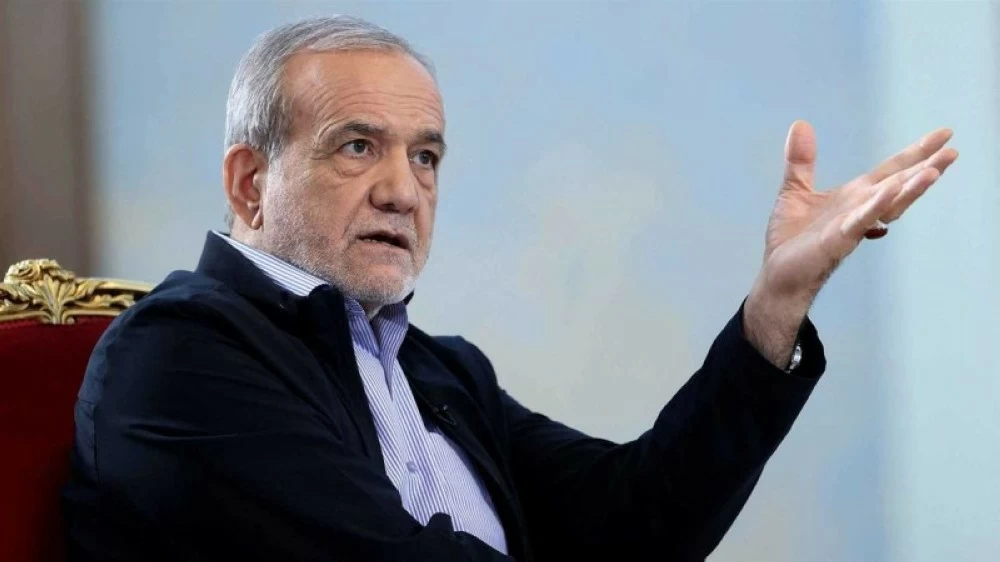
قدم الرئيس الإيراني مسعود بزشكيان اعتذاره، اليوم الأربعاء، لجميع المتضررين من الاحتجاجات التي شهدتها البلاد. وانتقد «الدعاية الغربية» غير المحددة التي أحاطت بالاحتجاجات، داعياً إلى ضرورة تقوية العلاقات مع الدول المجاورة.
لا نسعى للمواجهة مع الشعب
وقال بزشكيان في خطاب ألقاه في ساحة آزادي بالعاصمة طهران بمناسبة الذكرى الـ47 للثورة الإسلامية، اليوم (الأربعاء): إنه يدرك «الألم الكبير» الذي شعر به الأشخاص في الاحتجاجات وأعمال القمع، وأنه «مستعد لسماع صوت الشعب»، مشدداً على أهمية الاتحاد لمواجهة التهديدات والمؤامرات.
وأضاف: «نشعر بالخزي أمام الشعب، ونحن ملزمون بمساعدة جميع من تضرروا من هذه الأعمال». وأوضح «نحن لا نسعى للمواجهة مع الشعب، بل واجبنا خدمته».
وهزت إيران الشهر الماضي احتجاجات غير مسبوقة واجهتها السلطات بحملة قمع دامية، أسفرت عن مقتل آلاف برصاص قوات الأمن.
لن نستسلم للمطالب المفرطة
وحول الملف النووي، أكد الرئيس الإيراني، أن طهران لا تسعى إلى امتلاك سلاح نووي، لكنها «لن تستسلم للمطالب المفرطة» بشأن برنامجها النووي، وأنها مستعدة لكل عمليات التحقق من الطبيعة السلمية لبرنامجها النووي.
وأضاف: «مستعدون لأي تحقق، لكن جدار انعدام الثقة العالي الذي أقامته الولايات المتحدة وأوروبا لا يسمح لهذه المحادثات بالنجاح».
وأكد أن إيران لن تخضع لتجاوزاتهم، ولن تتراجع أمام الظلم والعدوان. لكننا نجري محادثات مع الدول المجاورة بكل ما أوتينا من قوة من أجل السلام والاستقرار في المنطقة.
وأعرب بزشكيان عن تقديره لجميع الدول التي أبدت قلقها إزاء إيران وسعت لحل المشاكل عبر القنوات الدبلوماسية، و«منعت إسرائيل وأمريكا من تنفيذ مخططاتهما الخبيثة»، بحسب تعبيره.
محادثات ومواصلة الدبلوماسية
وسهلت سلطنة عُمان المحادثات بين إيران والولايات المتحدة الأسبوع الماضي، التي قال متحدث باسم وزارة الخارجية إنها سمحت لطهران بتقييم جدية واشنطن، وأظهرت توافقاً كافياً لمواصلة الدبلوماسية.
وجاءت المحادثات بعد أن نشر الرئيس الأمريكي أسطولاً بحرياً في المنطقة، ما أثار مخاوف من شن عمل عسكري جديد. ولم يُعلن بعد عن موعد ومكان الجولة المقبلة من المحادثات الأمريكية الإيرانية.
وتطالب واشنطن طهران بالتخلي عن مخزونها من اليورانيوم المخصب لدرجة نقاء تصل إلى 60%، وهي نسبة قريبة من 90% التي تعتبر درجة صالحة لصنع الأسلحة.
The Iranian President Masoud Bezhakian apologized today, Wednesday, to all those affected by the protests that swept the country. He criticized the unspecified "Western propaganda" surrounding the protests, calling for the strengthening of relations with neighboring countries.
We do not seek confrontation with the people
Bezhakian said in a speech delivered at Azadi Square in the capital Tehran on the occasion of the 47th anniversary of the Islamic Revolution today (Wednesday) that he understands the "great pain" felt by those in the protests and acts of repression, and that he is "ready to hear the voice of the people," emphasizing the importance of unity to confront threats and conspiracies.
He added: "We feel ashamed before the people, and we are obligated to assist all those harmed by these actions." He clarified, "We do not seek confrontation with the people; rather, it is our duty to serve them."
Iran was shaken last month by unprecedented protests that the authorities faced with a bloody crackdown, resulting in the deaths of thousands at the hands of security forces.
We will not yield to excessive demands
Regarding the nuclear file, the Iranian president confirmed that Tehran does not seek to possess nuclear weapons, but it "will not yield to excessive demands" regarding its nuclear program, and that it is ready for all verification operations regarding the peaceful nature of its nuclear program.
He added: "We are ready for any verification, but the high wall of distrust erected by the United States and Europe does not allow these talks to succeed."
He affirmed that Iran will not submit to their transgressions and will not back down in the face of injustice and aggression. However, we are engaging in discussions with neighboring countries with all our strength for peace and stability in the region.
Bezhakian expressed his appreciation to all countries that have shown concern for Iran and sought to resolve issues through diplomatic channels, and "prevented Israel and America from carrying out their malicious plans," as he put it.
Talks and continuing diplomacy
The Sultanate of Oman facilitated talks between Iran and the United States last week, which a spokesperson for the Foreign Ministry said allowed Tehran to assess Washington's seriousness and showed sufficient consensus to continue diplomacy.
The talks came after the U.S. president deployed a naval fleet in the region, raising fears of a new military action. The date and location of the next round of U.S.-Iranian talks have not yet been announced.
Washington demands that Tehran abandon its stockpile of uranium enriched to a purity level of 60%, which is close to the 90% threshold considered suitable for weapon production.