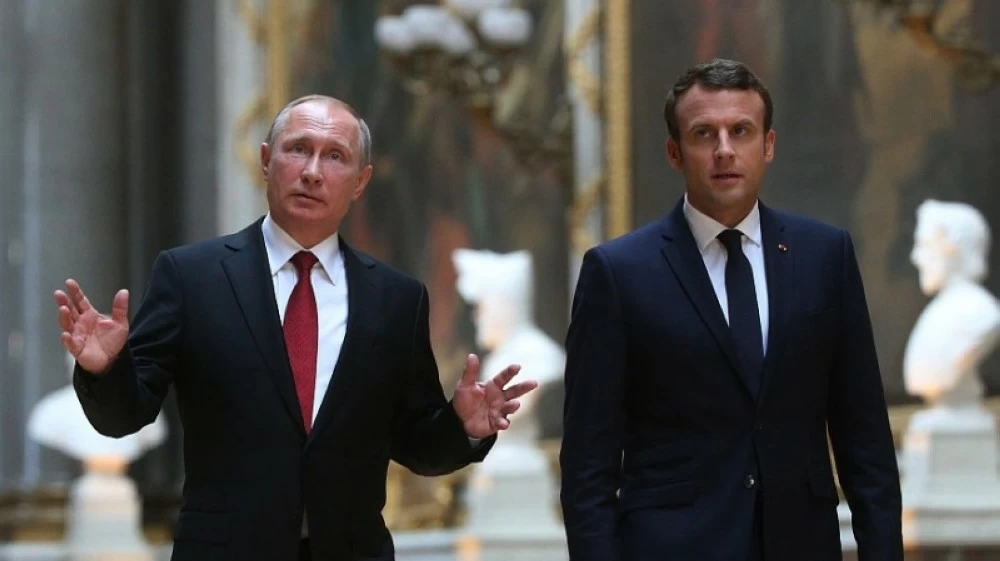
أعلن الرئيس الروسي فلاديمير بوتين، عبر متحدث الكرملين دميتري بيسكوف، استعداده لإجراء حوار مع الرئيس الفرنسي إيمانويل ماكرون، في خطوة تأتي بعد دعوات ماكرون الأخيرة لأوروبا للتواصل مع روسيا لإنهاء الحرب في أوكرانيا.
وأكد بيسكوف، في مقابلة نشرتها وكالة الأنباء الروسية الرسمية (ريا نوفوستي)، أن بوتين «أعرب عن استعداده للانخراط في حوار» مع ماكرون، نافياً في الوقت نفسه إمكانية عقد محادثات ثلاثية تشمل أوكرانيا والولايات المتحدة قريباً.
من جانبه رحب قصر الإليزيه الرئاسة الفرنسية بهذا الموقف الروسي، معتبراً إياه «مرحباً به»، وأكد أن أي نقاش مع روسيا سيتم «بشفافية كاملة» مع الرئيس الأوكراني فولوديمير زيلينسكي والحلفاء الأوروبيين، بهدف تحقيق «سلام قوي ودائم» لأوكرانيا.
وقال الإليزيه في بيان رسمي: «من المرحب به أن الكرملين وافق علناً على هذا النهج، سنقرر في الأيام القادمة أفضل طريقة للمتابعة»، مضيفاً أن «غزو أوكرانيا وعناد الرئيس بوتين أنهيا أي إمكانية للحوار في السنوات الثلاث الماضية، لكن مع اقتراب آفاق وقف إطلاق النار والمفاوضات السلمية، يصبح الحديث مع بوتين مفيداً مرة أخرى».
يأتي هذا التطور وسط جهود سلام مكثفة لإنهاء الصراع الروسي الأوكراني الذي اندلع بغزو موسكو الشامل لأوكرانيا في فبراير 2022، ما أدى إلى مقتل عشرات الآلاف ونزوح الملايين، إضافة إلى عقوبات دولية قاسية على روسيا.
وفي يوليو الماضي أجرى ماكرون وبوتين محادثة هاتفية، كانت الأولى بينهما منذ 3 أعوام، وفي الآونة الأخيرة، استضافت الولايات المتحدة جولات مفاوضات في فلوريدا بوساطة المبعوث الأمريكي الخاص ستيف ويتكوف، وابن زوج الرئيس دونالد ترمب جاريد كوشنر، شارك فيها مبعوثون أوكرانيون وأوروبيون مقابل المبعوث الروسي كيريل دميترييف.
و اقترح زيلينسكي صيغة ثلاثية تشمل أوكرانيا وروسيا والولايات المتحدة، التي قد تكون أول محادثات وجهاً لوجه بين موسكو وكييف منذ نصف عام، لكن الكرملين نفى إمكانيتها.
ويشير الإعلان إلى تحول محتمل نحو دور أوروبي أكبر في المفاوضات، لتقليل الاعتماد على القيادة الأمريكية، مع التأكيد على التنسيق لضمان أن يساهم أي حوار في حل دائم، ومع ذلك، يظل التوتر قائماً بسبب الخلافات حول شروط السلام، بما في ذلك عودة الأراضي المحتلة والضمانات الأمنية.
Russian President Vladimir Putin, through Kremlin spokesperson Dmitry Peskov, announced his readiness to engage in dialogue with French President Emmanuel Macron, a move that comes after Macron's recent calls for Europe to communicate with Russia to end the war in Ukraine.
Peskov confirmed, in an interview published by the official Russian news agency (RIA Novosti), that Putin "expressed his willingness to engage in dialogue" with Macron, while at the same time denying the possibility of holding trilateral talks involving Ukraine and the United States anytime soon.
For its part, the Élysée Palace welcomed this Russian stance, considering it "welcome," and emphasized that any discussion with Russia will be conducted "with complete transparency" alongside Ukrainian President Volodymyr Zelensky and European allies, with the aim of achieving "strong and lasting peace" for Ukraine.
The Élysée stated in an official statement: "It is welcome that the Kremlin has publicly agreed to this approach; we will decide in the coming days the best way to proceed," adding that "the invasion of Ukraine and President Putin's stubbornness have ended any possibility for dialogue in the past three years, but with the prospects of a ceasefire and peace negotiations approaching, talking to Putin becomes useful again."
This development comes amid intensified peace efforts to end the Russian-Ukrainian conflict that erupted with Moscow's full-scale invasion of Ukraine in February 2022, resulting in the deaths of tens of thousands and the displacement of millions, in addition to severe international sanctions on Russia.
Last July, Macron and Putin had a phone conversation, the first between them in three years, and recently, the United States hosted rounds of negotiations in Florida mediated by special U.S. envoy Steve Wittekov and President Donald Trump's son-in-law Jared Kushner, which included Ukrainian and European envoys alongside Russian envoy Kirill Dmitriev.
Zelensky proposed a trilateral format involving Ukraine, Russia, and the United States, which could be the first face-to-face talks between Moscow and Kyiv in six months, but the Kremlin denied its feasibility.
The announcement indicates a potential shift towards a greater European role in the negotiations, to reduce reliance on U.S. leadership, while emphasizing coordination to ensure that any dialogue contributes to a lasting solution; however, tensions remain due to disagreements over peace terms, including the return of occupied territories and security guarantees.