


أعلنت وسائل إعلام رسمية في إيران اليوم (السبت) مصادرة ناقلة نفط أجنبية في خليج عُمان؛ بدعوى تهريب نحو 6 ملايين لتر من وقود الديزل، واحتجاز 18 فرداً من طاقمها، بينهم ربان السفينة.
وذكرت وكالة أنباء «فارس» أن عملية المصادرة جاءت بعد رصد ما وصفته بـ«انتهاكات متعددة»، شملت تجاهل أوامر التوقف ومحاولة الفرار، فضلاً عن عدم حيازة وثائق ملاحة وشحن قانونية. وأفادت الوكالة أن أفراد الطاقم ينتمون إلى الهند وسريلانكا وبنغلادش، فيما لا تزال التحقيقات جارية.
وتأتي هذه الحادثة ضمن حملة تشنها طهران لمكافحة تهريب الوقود، في ظل استمرار الدعم الحكومي الكبير لأسعار المشتقات النفطية، وانخفاض قيمة العملة المحلية، ما يجعل أسعار الوقود في إيران من بين الأرخص عالميًا ويحفز التهريب البري والبحري إلى دول الجوار.
في سياق متصل، بدأت إيران تطبيق نظام تسعير جديد للبنزين المدعوم اعتباراً من اليوم (السبت) في أول تعديل للأسعار منذ عام 2019، في محاولة للحد من الطلب المتزايد على الوقود دون إثارة اضطرابات شعبية.
وبحسب النظام الجديد، يحصل المواطنون على 60 لتراً شهرياً بسعر مدعوم يبلغ 15 ألف ريال للتر، و100 لتر إضافية بسعر 30 ألف ريال، بينما تُسعّر الكميات الزائدة بسعر أعلى يصل إلى 50 ألف ريال للتر. وتُعد هذه السياسة حساسة للغاية، بعد أن أدت آخر زيادة كبيرة في أسعار الوقود عام 2019 إلى احتجاجات واسعة.
إيران تصادر ناقلة ديزل ضخمة وتحتجز طاقمها
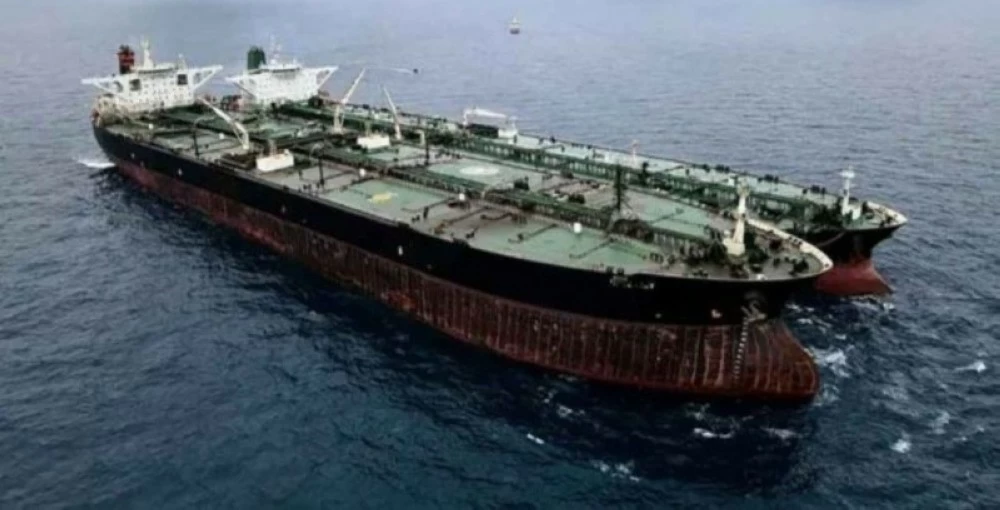


Iranian state media announced today (Saturday) the seizure of a foreign oil tanker in the Gulf of Oman; claiming it was smuggling about 6 million liters of diesel fuel, and detaining 18 crew members, including the ship's captain.
The Fars News Agency reported that the seizure operation came after monitoring what it described as "multiple violations," which included ignoring stop orders and attempting to flee, as well as lacking legal navigation and shipping documents. The agency stated that the crew members are from India, Sri Lanka, and Bangladesh, while investigations are still ongoing.
This incident is part of a campaign launched by Tehran to combat fuel smuggling, amid continued significant government support for fuel prices and the depreciation of the local currency, making fuel prices in Iran among the cheapest globally and encouraging land and maritime smuggling to neighboring countries.
In a related context, Iran has begun implementing a new pricing system for subsidized gasoline starting today (Saturday), marking the first price adjustment since 2019, in an attempt to curb the increasing demand for fuel without provoking public unrest.
According to the new system, citizens receive 60 liters per month at a subsidized price of 15,000 rials per liter, and an additional 100 liters at a price of 30,000 rials, while excess quantities are priced higher at up to 50,000 rials per liter. This policy is highly sensitive, as the last significant increase in fuel prices in 2019 led to widespread protests.


