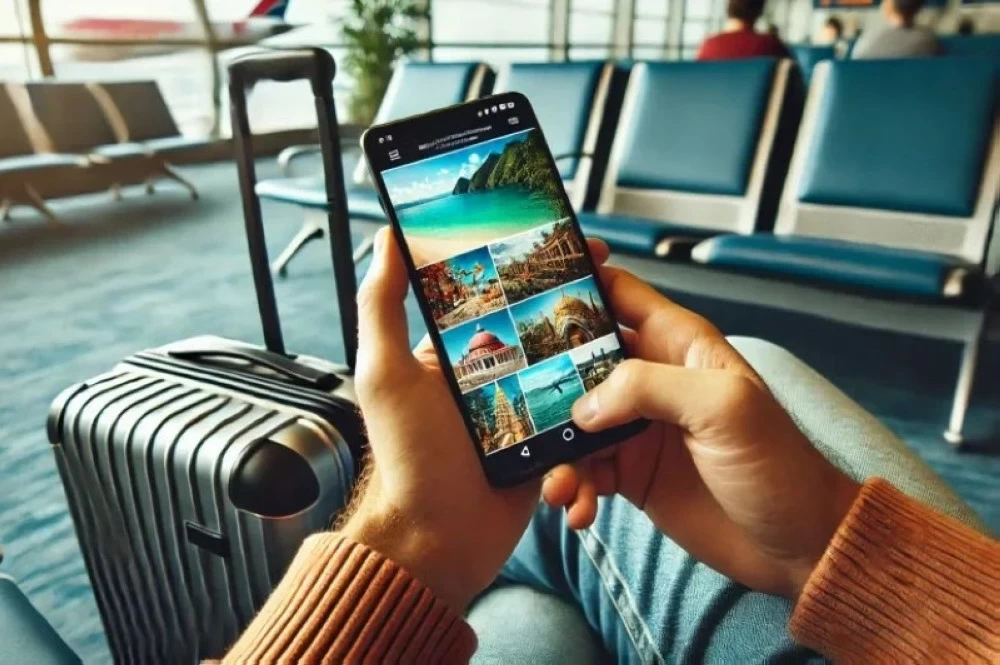
يتحوّل عالم السفر والسياحة بسرعة مذهلة بفضل التقنيات الحديثة، ويبرز وكيل الذكاء الاصطناعي كعنصر ثوري يغير تجربة المسافر من الألف إلى الياء، إذ لم يعد مجرد أداة للمساعدة التقنية، بل أصبح شريكاً إستراتيجياً يخطط للرحلات، ويديرها، ويتخذ قرارات بالنيابة عن المستخدمين مع الحد الأدنى من التدخل البشري.
وأكد تقرير صادر عن مؤسسة ماكينزي للاستشارات أن وكيل الذكاء الاصطناعي سيصبح جزءاً لا يتجزأ من تجربة السفر، بدءاً من التخطيط وحتى العودة، مع القدرة على تعديل أو إلغاء الرحلات، وحجز الفنادق، واقتراح الأنشطة والمطاعم الملائمة، والتواصل مع شركات الطيران والفنادق لحل أي مشكلة فور حدوثها.
ويعمل الوكيل الذكي على إنشاء ملف رقمي لكل مسافر يجمع تفضيلاته، وميزانيته، ونمط سلوكه، ليتمكن مع الوقت من إدارة الرحلات بدقة متناهية، دون الحاجة لاستخدام عشرات التطبيقات المختلفة، ما يوفر الوقت والجهد للمسافر ويمنحه تجربة سفر أكثر سلاسة ومتعة.
ولم يعد دور وكيل الذكاء الاصطناعي يقتصر على المسافر فقط، بل أصبح أداة حيوية للشركات، إذ يساعد الفنادق على توزيع الغرف بحسب تفضيلات الضيوف، وتوقع المشكلات قبل حدوثها، بينما تساهم شركات الطيران في ضبط الأسعار وتقديم عروض دقيقة تستجيب للطلب اللحظي، في حين تقلل وكالات السفر التكاليف التشغيلية وتعزز ولاء العملاء.
لكن رغم المزايا الكبيرة، تواجه الشركات تحديات عدة، أبرزها تشتت البيانات بين منصات مختلفة، ونقص الكفاءات التقنية، إضافة إلى حاجة المسافرين للثقة في اتخاذ قراراتهم عبر وكيل الذكاء الاصطناعي، خصوصاً في مناطق مثل الخليج العربي حيث تعتمد صناعة السفر على العلاقات الشخصية والثقة المباشرة.
ولتسهيل تبني هذه التقنية، توصي ماكينزي بـ5 خطوات رئيسية، تشمل بناء بنية سحابية متطورة، ووضع إستراتيجية رقمية موحدة، وتدريب الموظفين على العمل مع الذكاء الاصطناعي، وتجربة النماذج داخلياً قبل تعميمها، وإعادة تصميم العمليات لتتلاءم مع النظام الذكي الجديد.
وفي النهاية، سيغير وكيل الذكاء الاصطناعي أسلوب السفر من «لماذا نسافر؟» إلى «كيف نسافر؟»، مانحاً المسافر حرية أكبر للاستمتاع بالرحلة، واختيار الأنشطة التي تلائم اهتماماته، ليصبح المستقبل القريب عصر الرحلات الذكية المخصصة بالكامل لكل مسافر.
The world of travel and tourism is rapidly transforming thanks to modern technologies, with the artificial intelligence agent emerging as a revolutionary element that changes the traveler's experience from A to Z. It is no longer just a tool for technical assistance; it has become a strategic partner that plans trips, manages them, and makes decisions on behalf of users with minimal human intervention.
A report from McKinsey & Company confirmed that the AI agent will become an integral part of the travel experience, from planning to returning, with the ability to modify or cancel trips, book hotels, suggest suitable activities and restaurants, and communicate with airlines and hotels to resolve any issues as they arise.
The smart agent works to create a digital profile for each traveler that gathers their preferences, budget, and behavior patterns, allowing it over time to manage trips with utmost precision, without the need to use dozens of different applications, thus saving time and effort for the traveler and providing a smoother and more enjoyable travel experience.
The role of the AI agent is no longer limited to just the traveler; it has become a vital tool for companies as well. It helps hotels allocate rooms according to guest preferences, anticipates problems before they occur, while airlines adjust prices and offer accurate deals that respond to real-time demand, and travel agencies reduce operational costs and enhance customer loyalty.
However, despite the significant advantages, companies face several challenges, the most prominent of which is the fragmentation of data across different platforms, a lack of technical skills, in addition to travelers' need to trust their decisions made through the AI agent, especially in regions like the Gulf where the travel industry relies on personal relationships and direct trust.
To facilitate the adoption of this technology, McKinsey recommends 5 key steps, including building an advanced cloud infrastructure, establishing a unified digital strategy, training employees to work with AI, testing models internally before rolling them out, and redesigning processes to align with the new intelligent system.
In the end, the AI agent will change the way we travel from "Why do we travel?" to "How do we travel?", granting travelers greater freedom to enjoy the journey and choose activities that match their interests, making the near future an era of fully personalized smart trips for every traveler.