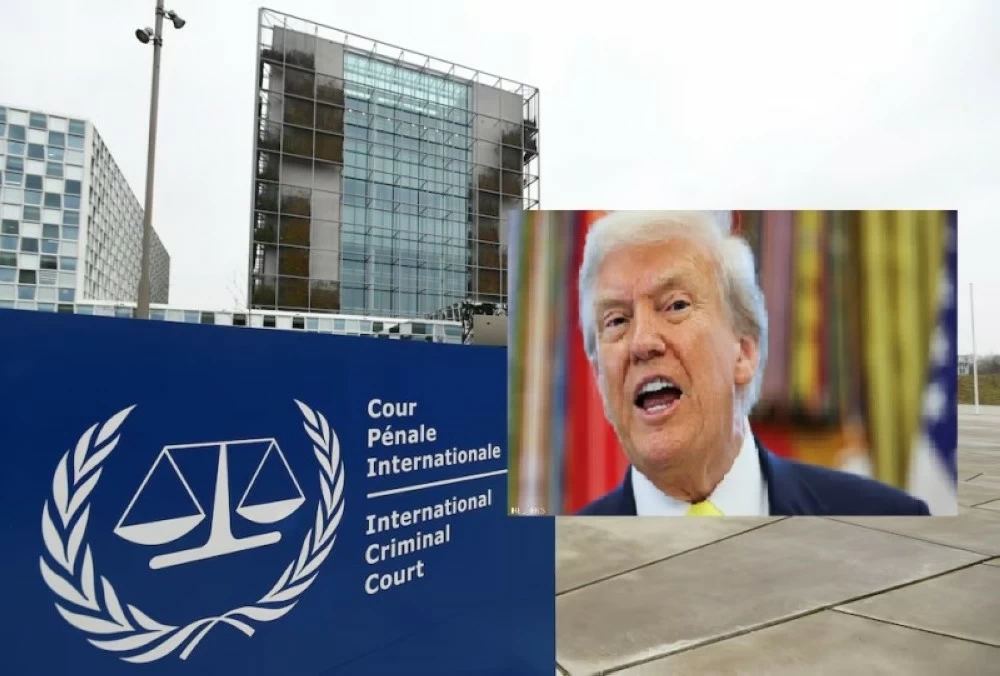
في تصعيد غير مسبوق يُعكس التوترات المتزايدة بين الولايات المتحدة والمؤسسات الدولية، كشف مسؤول في إدارة الرئيس الأمريكي دونالد ترمب، اليوم (الأربعاء) أن واشنطن تطالب المحكمة الجنائية الدولية بتعديل ميثاق روما الأساسي؛ لضمان عدم محاكمة الرئيس الجمهوري ومسؤوليه الكبار، مهدِّداً بعقوبات أمريكية جديدة إذا لم تُلبَ الطلبات، في خطوة قد تُشلُّ عمل المحكمة تماماً.
3 طلبات رئيسية لواشنطن
وبحسب وكالة «رويترز»، أوضح المسؤول، أن الطلبات الثلاثة تشمل إلى جانب ضمان عدم محاكمة الرئيس الجمهوري ومسؤوليه الكبار، أيضاً إسقاط التحقيقات المُصدرة ضد قادة إسرائيليين بشأن حرب غزة، وإنهاء رسمي لتحقيق سابق في جرائم محتملة ارتكبتها قوات أمريكية في أفغانستان.
وأضاف: «إذا لم تُنْفذ المحكمة هذه المطالب، قد نُعاقب مسؤولين إضافيين في المحكمة الجنائية الدولية، وربما نُصدر عقوبات على المحكمة ككيان، مما يُعطل عملها اليومي بشكل كبير».
حملة أمريكية ضد الجنائية الدولية
يأتي هذا التهديد في سياق حملة أمريكية مستمرة ضد المحكمة الجنائية الدولية، التي أنشئت عام 2002 بموجب ميثاق روما لمحاكمة رؤساء الدول كخيار أخير في جرائم الحرب والإبادة الجماعية والجرائم ضد الإنسانية.
الولايات المتحدة ليست عضواً في الميثاق، وتُناقضه دائماً بسبب مخاوف من انتهاك السيادة الوطنية، وهو موقف يُشَارِكُهُ الجمهوريون والديمقراطيون على حدٍّ سواء.
وسبق لإدارة ترمب في فبراير 2025 أن أصدرت أمراً تنفيذياً بفرض عقوبات على المحكمة؛ بسبب «أفعال غير مشروعة» تستهدف أمريكا وحليفتها إسرائيل، مما أدَّى إلى عقوبات على 9 مسؤولين، بما في ذلك قضاة ومدَّعون عامون.
قلق متزايد
وأعرَبَ المسؤول عن «قلق متزايد» من أن المحكمة الجنائية الدولية قد توجه انتباهها بعد انتهاء فترة ترمب في 2029 إلى الرئيس والنائب والوزراء، مُشِيراً إلى «حديث مفتوح» في المجتمع القانوني الدولي حول تحقيقات محتملة في عمليات عسكرية أمريكية، مثل الغارات على سفن مخدرات في الكاريبي وأمريكا اللاتينية التي قتلت أكثر من 80 شخصاً منذ سبتمبر.
ورفض المسؤول التعليق على ما إذا كانت المخاوف تتعلق بفنزويلا، إذ يُحقق الكونغرس في مقتل ناجين من غارة أمريكية، لكن المحكمة الجنائية الدولية نفت تلقي أي طلب تحقيق في أفعال أمريكية هناك.
مذكرات توقيف سابقة ضد نتنياهو وغالانت
وفي نوفمبر الماضي، أصدرت المحكمة الجنائية الدولية مذكرات توقيف ضد رئيس الوزراء الإسرائيلي بنيامين نتنياهو، ووزير الدفاع السابق يوآف غالانت، بتهم جرائم حرب وجرائم ضد الإنسانية في غزة. أما التحقيق في أفغانستان، الذي بدأ في مارس 2020، فقد خفَّضته المحكمة منذ 2021، لكنها لم تُنهِهُ رسمياً، مما يُثِيرُ غضب واشنطن.
شروط التعديل على ميثاق روما
وردَّتْ وحدة الشؤون العامة في المحكمة الجنائية الدولية، نيابة عن المحكمة ورئاستها، بأن «التعديلات على ميثاق روما تُقرر من قبل الدول الأعضاء»، دون التعليق على اتصالات واشنطن أو طلب حصانة لترمب.
وأي تعديل يتطلب موافقة ثلثي الـ125 دولة الأعضاء (بما في ذلك الاتحاد الأوروبي كاملاً، باستثناء الصين وروسيا)، وأكثر لتغييرات جذرية في الاختصاص، مما يجعل العملية بطيئة ومعقَّدة، كما أن عقوبات على المحكمة ككيان قد تُعْطِلُ رواتب الموظَّفين، الحسابات البنكية، والبرمجيات اليومية.
وفي اجتماع الجمعية العامة للدول الأعضاء في ديسمبر، رفضَت الدول الأعضاء الضغوط الأمريكية، معتبرةً أن أي تعديل لإرضاء واشنطن «سيُدمر المحكمة أكثر من العقوبات نفسها».
In an unprecedented escalation reflecting the increasing tensions between the United States and international institutions, a U.S. official in President Donald Trump's administration revealed today (Wednesday) that Washington is demanding the International Criminal Court (ICC) amend the Rome Statute to ensure that the Republican president and his senior officials are not prosecuted, threatening new U.S. sanctions if the requests are not met, in a move that could completely paralyze the court's operations.
3 Main Requests from Washington
According to Reuters, the official explained that the three requests include, in addition to ensuring that the Republican president and his senior officials are not prosecuted, also dropping investigations issued against Israeli leaders regarding the Gaza war, and formally ending a previous investigation into potential crimes committed by U.S. forces in Afghanistan.
He added, "If the court does not implement these demands, we may sanction additional officials at the International Criminal Court, and we might impose sanctions on the court as an entity, which would significantly disrupt its daily operations."
U.S. Campaign Against the ICC
This threat comes in the context of an ongoing U.S. campaign against the International Criminal Court, which was established in 2002 under the Rome Statute to prosecute heads of state as a last resort for war crimes, genocide, and crimes against humanity.
The United States is not a member of the statute and has always opposed it due to concerns about violations of national sovereignty, a position shared by both Republicans and Democrats.
The Trump administration previously issued an executive order in February 2025 imposing sanctions on the court for "illegitimate acts" targeting the U.S. and its ally Israel, leading to sanctions on 9 officials, including judges and prosecutors.
Growing Concern
The official expressed "growing concern" that the ICC may turn its attention after Trump's term ends in 2029 to the president, vice president, and ministers, noting "open discussions" in the international legal community about potential investigations into U.S. military operations, such as raids on drug ships in the Caribbean and Latin America that killed more than 80 people since September.
The official declined to comment on whether the concerns relate to Venezuela, where Congress is investigating the killing of survivors from a U.S. raid, but the ICC has denied receiving any request to investigate U.S. actions there.
Previous Arrest Warrants Against Netanyahu and Gallant
Last November, the ICC issued arrest warrants against Israeli Prime Minister Benjamin Netanyahu and former Defense Minister Yoav Gallant on charges of war crimes and crimes against humanity in Gaza. As for the investigation in Afghanistan, which began in March 2020, the court has scaled it back since 2021, but has not officially closed it, which has angered Washington.
Amendment Conditions for the Rome Statute
The ICC's Public Affairs Unit responded, on behalf of the court and its presidency, that "amendments to the Rome Statute are determined by member states," without commenting on Washington's communications or requests for immunity for Trump.
Any amendment requires the approval of two-thirds of the 125 member states (including the entire European Union, excluding China and Russia), and more for radical changes in jurisdiction, making the process slow and complicated. Additionally, sanctions on the court as an entity could disrupt staff salaries, bank accounts, and daily operations.
In a meeting of the General Assembly of member states in December, member states rejected U.S. pressures, considering that any amendment to appease Washington "would destroy the court more than the sanctions themselves."