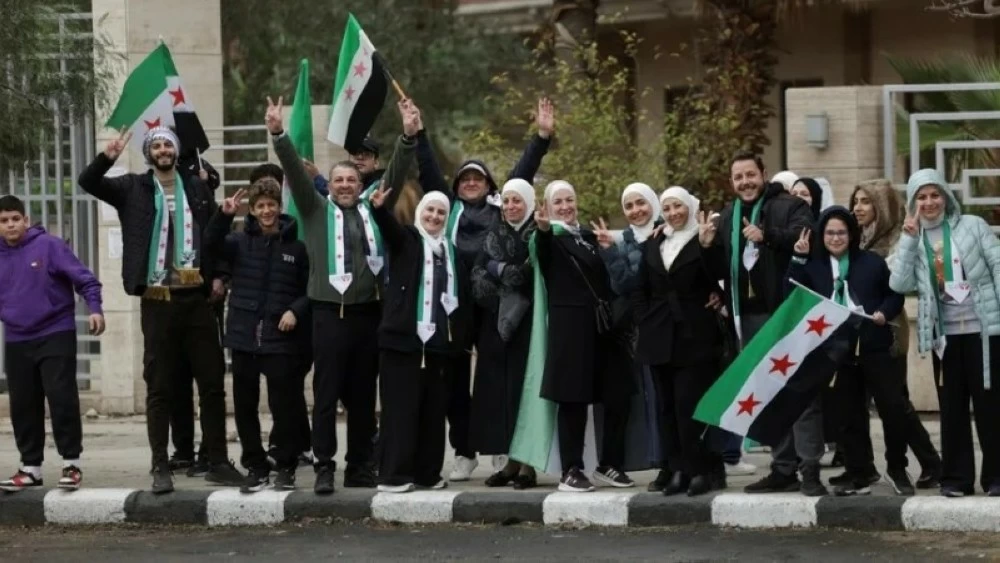
شهدت سورية بعد سقوط نظام الأسد تحولاً سياسياً واسعاً أعاد رسم موقعها الإقليمي، وأعاد تفعيل علاقتها بالمحيط العربي بعد سنوات طويلة من العزلة والانكفاء.
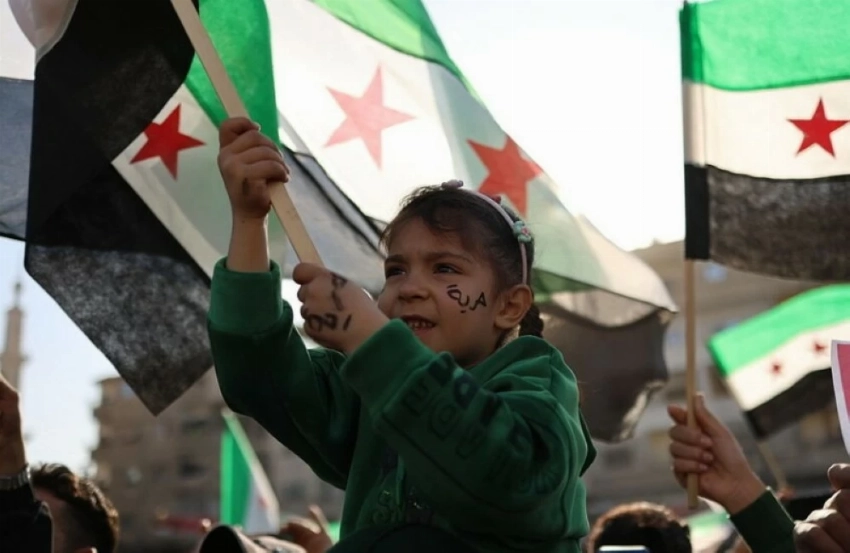
طفلة ترفع العلم السوري خلال الاحتفالات.
الاندماج في النظام العربي
ولم يكن هذا التحول نتيجة سقوط الأسد فحسب، بل كان تعبيراً عن انتقال تدريجي من مرحلة الارتهان لمحاور إقليمية إلى مرحلة استعادة الهوية العربية كإطار جامع للسياسة السورية.
وفي هذا السياق، برزت السعودية لاعباً رئيسياً، بوصفها قوة إقليمية قادرة على إعادة إدماج سورية في النظام العربي ومنح المرحلة الانتقالية غطاء سياسياً واقتصادياً لا يمكن تجاوزه.
لقد وجدت القيادة السورية الجديدة نفسها أمام مهمة مزدوجة: تثبيت الاستقرار الداخلي، والخروج من العزلة التي فرضها النظام المخلوع. وكانت العودة إلى الفضاء العربي الخيار الأكثر واقعية، فهو وحده القادر على توفير الشرعية السياسية المطلوبة، وفتح الأبواب أمام الشراكات الاقتصادية التي تضمن قدرة الدولة على التعافي.
صبي سوري يلتقط "سيلفي" مع أحد أفراد الجيش خلال عرض عسكري في دمشق، احتفالا بذكرى التحرير .
(إ ب أ)
السعودي .. مركز القرار العربي
وفي هذا الإطار، كان الدور السعودي محورياً؛ لأنه حمل معه ثقلاً سياسياً لا يتوفر لأي دولة عربية أخرى، وقدرة على التأثير في المواقف الإقليمية والدولية بما يمنح دمشق مساحة حركة واسعة.
فالسعودية، بوصفها مركز القرار العربي، لعبت الدور الأكبر الذي يمكن من خلاله لسورية إعادة بناء علاقاتها مع الخليج والعالم العربي، في وقت كانت فيه هذه العلاقات مجمدة أو مبنية على شكوك طويلة تلت سنوات الحرب.
ومع بداية المرحلة الانتقالية، عملت الرياض على تشكيل مقاربة جديدة تجاه دمشق تقوم على 3 ركائز: تثبيت الاستقرار، دعم التوازنات الإقليمية، واحتواء أي نفوذ خارجي مفرط لا يخدم استقرار المنطقة.
ولعبت هذه المقاربة دوراً أساسياً في تخفيف الضغوط الدولية على سورية، إذ قدمت السعودية إشارات واضحة بأن دمشق الجديدة تحمل فرصة لإعادة بناء الدولة على أسس أكثر توازناً. وساهمت هذه السياسة في إقناع عدة أطراف عربية بأن دعم سورية ضرورة لمنع انزلاقها إلى فراغ إقليمي.
وقد أتاح هذا الدور للسوريين الخروج تدريجياً من خطاب «البقاء على الهامش» إلى خطاب «العودة إلى الطاولة»، وهو تحول لم يكن ليحدث بالسرعة نفسها لو لم تكن السعودية منفتحة على مساعدة دمشق في بناء جسور سياسية جديدة.
استقرار المرحلة الانتقالية
أما على المستوى السياسي الخارجي فقد نجحت دمشق في إعادة امتلاك موقعها داخل العمل العربي المشترك، ما يهيئ لسورية استئناف دورها ضمن الملفات الإقليمية، مثل أمن الحدود والطاقة والنقل البري. وكان لافتاً أن القيادة السورية قدمت المرحلة الانتقالية بوصفها فرصة لإعادة تعريف العلاقات العربية–العربية بعيداً عن إرث الصراع الذي بلغ ذروته خلال العقد الماضي.
وهكذا أصبحت دمشق جزءاً من عملية إعادة التوازن داخل النظام العربي، إذ كانت حريصة على أن تستعيد سورية دورها كدولة مركزية في المشرق لا كملف نزاع أو ساحة نفوذ لقوى غير عربية.
هذا الدور السياسي ترافق مع دعم اقتصادي عربي –بقيادة الرياض- ما ساهم في استقرار المرحلة الانتقالية. شجّعت تدفقات مالية واستثمارية عبر القطاع الخاص الخليجي، وفتحت الباب لمشاريع اقتصادية مشتركة في مجالات الطاقة والبنية التحتية والتجارة، بعضها مباشر وبعضها عبر آليات دعم عربي مشترك.
ولم يكن الهدف من هذا الدعم تقديم حلول اقتصادية آنية بقدر ما كان تمهيداً لدمج سورية في بنية الاقتصاد العربي من جديد، بما يمكّنها من الاستغناء تدريجياً عن الاعتماد على محاور إقليمية ضيقة كانت قد قيّدت قرارها السياسي.
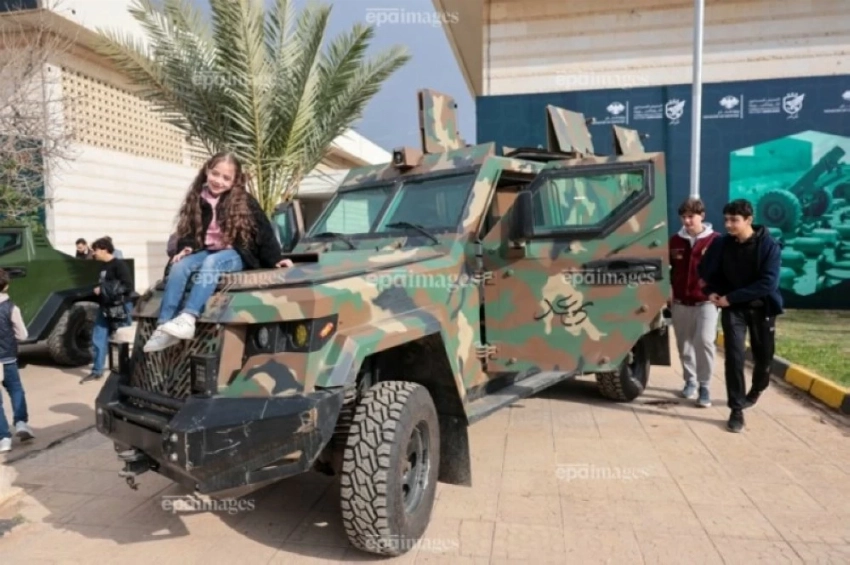
فتاة سورية تجلس على عربة عسكرية مدرعة خلال معرض عسكري في دمشق احتفالا بإسقاط بشار .(إ ب أ)
التوازن في العلاقات الخارجية
سورية من جهتها أدركت أن هذا الانفتاح العربي بقيادة الرياض ليس موجهاً ضد أي طرف آخر، وهو فرصة لإعادة تشكيل موقعها بطريقة أكثر استقلالية. لذلك تبنت القيادة السورية خطاباً يقوم على إعادة التوازن في العلاقات الخارجية، بحيث تصبح العلاقة مع القوى الإقليمية غير العربية علاقة تعاون محكومة بالحدود، لا علاقة هيمنة أو ارتهان كما كانت في سنوات ما قبل السقوط.
وسمح الانفتاح بامتلاك سورية غطاء عربياً توازن به علاقاتها مع تلك القوى، الأمر الذي أعاد للسياسة الخارجية السورية قدرتها على المناورة، بعدما كانت محكومة بسقف منخفض جداً نتيجة الضغوط العسكرية والسياسية التي فرضتها الحرب.
وبذلك يمكن القول إن إعادة سورية لتعريف دورها كان جزءاً من إعادة تعريف موقعها في المنطقة، فدمشق اليوم ليست الدولة المنعزلة التي تستجدي اعترافاً دولياً، وليست الساحة التي تتقاطع فيها المحاور الإقليمية دون سيادة، فقد بدأت تتحول إلى دولة تستعيد تدريجياً قدرتها على صياغة سياسة خارجية متوازنة، بالاستناد إلى عمق عربي صلب يمثل بالنسبة لها الضمانة السياسية والاستثمارية والأمنية الأكثر استقراراً.
محور الحرب يلفظ أنفاسه
ومع مرور عام على تحرير سورية وسقوط نظام الأسد، يظهر بوضوح أن التحول السوري لم يكن ليكتسب زخمه الحالي لولا أن السعودية قررت الانخراط في دعمه، بوصفه جزءاً من مشروع إقليمي أوسع يقوم على الاستقرار والتنمية وتخفيف التوترات.
بهذا المعنى، أصبح الدور السعودي جزءاً بنيوياً من التحول السوري. إنه الدور الذي أعاد ربط دمشق بمنظومة عربية قادرة على دعم دولة خارجة من عقد من الحرب والدمار، ووفّر للقيادة السورية إطاراً سياسياً واقتصادياً يمكّنها من بناء المرحلة الانتقالية بثقة أكبر، بعيداً عن الضغوط غير العربية التي حكمت مسار سورية لسنوات طويلة.
ومع استمرار هذا المسار، تبدو سورية متجهة نحو مرحلة جديدة، حيث يشكل العمق العربي القاعدة الأساسية لإعادة بناء الدولة واستعادة دورها الإقليمي الطبيعي، خصوصاً أن التطاول الدولي كان سيكون حاداً ومؤذياً لسورية الجديدة دون توفير الغطاء العربي في عالم الدبلوماسية الغربية، إذ كرست السعودية، والدول العربية الداعمة للمرحلة الانتقالية، نفوذها الخارجي لدعم سورية في المحافل الدولية.
وبفضل هذا التنسيق العربي تم تجاوز الجزء الأكبر من العقوبات الأمريكية والأوروبية، في ملف قادته السعودية لتحرير سورية من عقوبات جلبها «محور الحرب»، الذي يلفظ أنفاسه في المنطقة برمتها.
Syria witnessed a wide political transformation after the fall of the Assad regime, which reshaped its regional position and reactivated its relationship with the Arab world after many years of isolation and withdrawal.
طفلة ترفع العلم السوري خلال الاحتفالات.
Integration into the Arab System
This transformation was not merely a result of Assad's fall, but rather an expression of a gradual transition from a phase of dependency on regional axes to a phase of reclaiming Arab identity as a unifying framework for Syrian politics.
In this context, Saudi Arabia emerged as a key player, being a regional power capable of reintegrating Syria into the Arab system and providing the transitional phase with an indispensable political and economic cover.
The new Syrian leadership found itself facing a dual task: stabilizing internal security and emerging from the isolation imposed by the ousted regime. Returning to the Arab sphere was the most realistic option, as it alone could provide the required political legitimacy and open doors to economic partnerships that ensure the state's ability to recover.
صبي سوري يلتقط "سيلفي" مع أحد أفراد الجيش خلال عرض عسكري في دمشق، احتفالا بذكرى التحرير .
(إ ب أ)
Saudi Arabia .. The Center of Arab Decision-Making
In this framework, the Saudi role was pivotal; it carried a political weight not available to any other Arab country, along with the ability to influence regional and international positions, granting Damascus considerable maneuvering space.
As the center of Arab decision-making, Saudi Arabia played the largest role that would allow Syria to rebuild its relationships with the Gulf and the Arab world, at a time when these relationships were frozen or built on long-standing suspicions following years of war.
With the beginning of the transitional phase, Riyadh worked on forming a new approach towards Damascus based on three pillars: stabilizing security, supporting regional balances, and containing any excessive external influence that does not serve the stability of the region.
This approach played a fundamental role in alleviating international pressures on Syria, as Saudi Arabia sent clear signals that the new Damascus presents an opportunity to rebuild the state on more balanced foundations. This policy helped convince several Arab parties that supporting Syria is essential to prevent its slide into a regional vacuum.
This role allowed Syrians to gradually shift from a discourse of "staying on the margins" to a discourse of "returning to the table," a transformation that would not have occurred as swiftly had Saudi Arabia not been open to assisting Damascus in building new political bridges.
Stability of the Transitional Phase
On the external political level, Damascus succeeded in regaining its position within Arab joint action, preparing Syria to resume its role in regional files such as border security, energy, and land transport. Notably, the Syrian leadership presented the transitional phase as an opportunity to redefine Arab-Arab relations away from the legacy of conflict that peaked over the past decade.
Thus, Damascus became part of the process of restoring balance within the Arab system, as it was keen to restore Syria's role as a central state in the Levant rather than as a conflict file or a sphere of influence for non-Arab powers.
This political role was accompanied by Arab economic support – led by Riyadh – which contributed to the stability of the transitional phase. Financial and investment flows through the Gulf private sector were encouraged, opening the door for joint economic projects in energy, infrastructure, and trade, some direct and others through mechanisms of joint Arab support.
The goal of this support was not to provide immediate economic solutions but rather to pave the way for Syria's reintegration into the Arab economic structure, enabling it to gradually reduce its reliance on narrow regional axes that had constrained its political decision-making.
فتاة سورية تجلس على عربة عسكرية مدرعة خلال معرض عسكري في دمشق احتفالا بإسقاط بشار .(إ ب أ)
Balance in Foreign Relations
Syria, for its part, recognized that this Arab openness led by Riyadh was not directed against any other party, and it was an opportunity to reshape its position in a more independent manner. Therefore, the Syrian leadership adopted a discourse focused on restoring balance in foreign relations, so that the relationship with non-Arab regional powers would be one of cooperation governed by boundaries, rather than one of dominance or dependency as it had been in the years before the fall.
The openness allowed Syria to have an Arab cover to balance its relations with those powers, which restored the Syrian foreign policy's ability to maneuver, after it had been constrained by very low ceilings due to the military and political pressures imposed by the war.
Thus, it can be said that Syria's redefinition of its role was part of redefining its position in the region. Today, Damascus is not the isolated state begging for international recognition, nor is it the arena where regional axes intersect without sovereignty; it has begun to transform into a state gradually regaining its ability to formulate a balanced foreign policy, relying on a solid Arab depth that represents for it the most stable political, investment, and security guarantee.
The Axis of War is Breathing Its Last
As a year has passed since the liberation of Syria and the fall of the Assad regime, it is clear that the Syrian transformation would not have gained its current momentum had it not been for Saudi Arabia's decision to engage in supporting it as part of a broader regional project based on stability, development, and reducing tensions.
In this sense, the Saudi role has become a structural part of the Syrian transformation. It is the role that reconnected Damascus to an Arab system capable of supporting a state emerging from a decade of war and destruction, and provided the Syrian leadership with a political and economic framework that enables it to build the transitional phase with greater confidence, away from the non-Arab pressures that had governed Syria's trajectory for many years.
As this path continues, Syria seems to be heading towards a new phase, where the Arab depth forms the fundamental base for rebuilding the state and restoring its natural regional role, especially since international encroachment would have been sharp and harmful to the new Syria without providing Arab cover in the world of Western diplomacy, as Saudi Arabia and the Arab countries supporting the transitional phase have solidified their external influence to support Syria in international forums.
Thanks to this Arab coordination, the majority of American and European sanctions have been overcome, in a file led by Saudi Arabia to free Syria from the sanctions brought by the "Axis of War," which is breathing its last in the entire region.