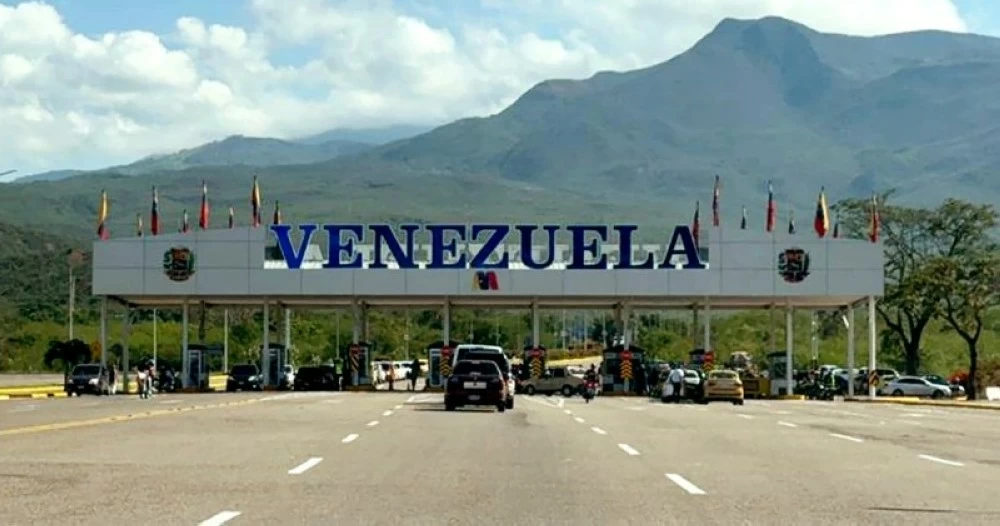
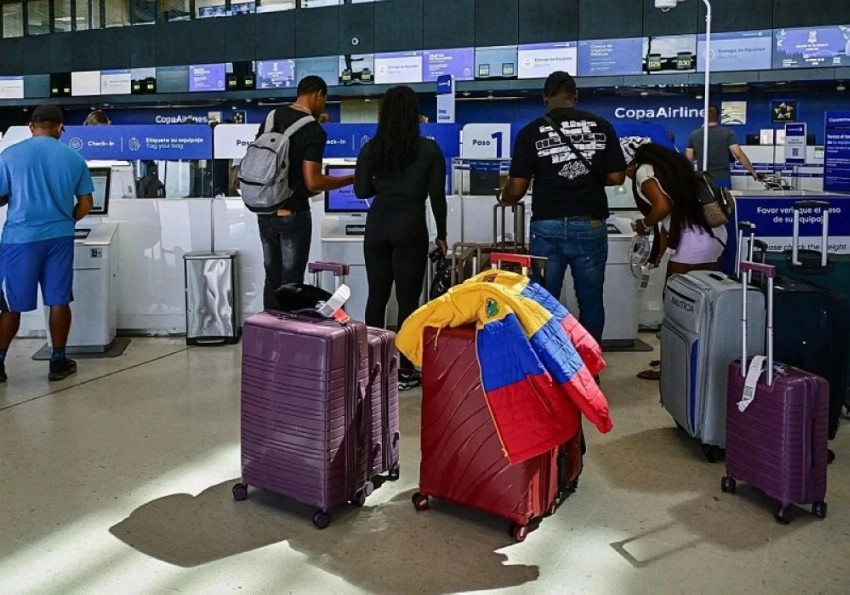
أجبر تعليق الرحلات الدولية من وإلى فنزويلا آلاف المسافرين على البحث عن بدائل للوصول إلى وجهاتهم، إذ اضطر كثيرون للسفر عبر البر وربط ما يصل إلى 5 رحلات داخلية قبل عبور الحدود إلى كولومبيا للحصول على رحلات دولية، وذلك في أعقاب تصعيد التوترات بين فنزويلا والولايات المتحدة.
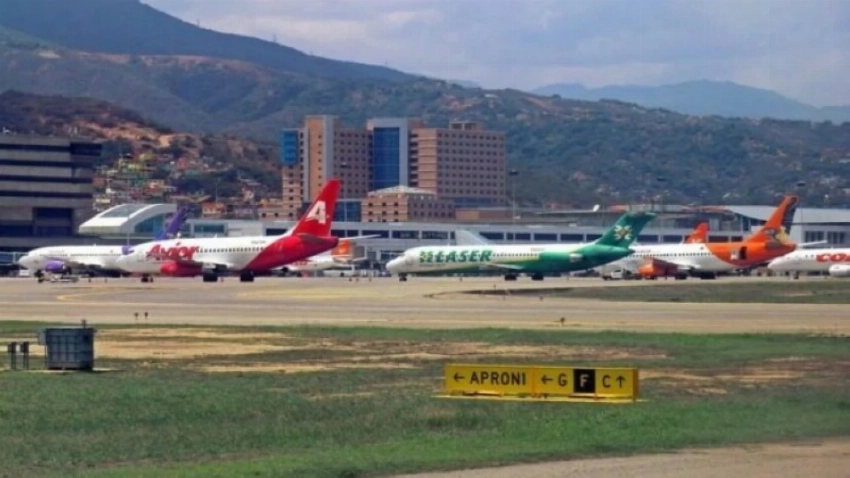
ووفقاً لصحيفة «انفوباي» الأرجنتينية، شهدت الأسابيع الأخيرة إلغاء 12 شركة طيران دولية رحلاتها بسبب تحذيرات السلطات الأمريكية من مخاطر التحليق فوق الأراضي الفنزويلية وجنوب البحر الكاريبي، بالتزامن مع تحرك عسكري أمريكي قرب السواحل الفنزويلية، مما ترك البلاد دون شركات طيران دولية، وأثر بشكل كبير على خطط المسافرين.
تحذيرات أمريكية تغلق الأجواء
تزامنت هذه الأزمة، التي تفاقمت بسبب تحذيرات السلطات الأمريكية من مخاطر التحليق فوق الأراضي الفنزويلية وجنوب البحر الكاريبي، مع تحرك عسكري أمريكي قرب السواحل، مما يعكس عمق الصراع الجيوسياسي الذي يهدد بتعميق العزلة الاقتصادية والإنسانية لفنزويلا.
ومع شبه إغلاق مطار سيمون بوليفار الدولي في مايكيتيا (قرب كاراكاس)، حيث أصبحت الرحلات الدولية نادرة ومحدودة ببعض الخطوط المحلية إلى بوغوتا أو هافانا، لجأ المسافرون إلى خيارات برية بديلة.
ويصف خوان بيدرا، مهندس فنزويلي يبلغ 35 عاماً، رحلته الأخيرة: «كنت أخطط لرحلة عمل إلى مدريد، لكن بعد إلغاء رحلة إيبيريا، اضطررت إلى ربط 4 رحلات داخلية: من كاراكاس إلى ماراكايبو، ثم إلى سان كريستوبال، مروراً بباركيسيميتو، قبل الوصول إلى كوكوتا في كولومبيا. استغرقت الرحلة البرية 18 ساعة، مع تأخيرات بسبب الازدحام عند الحدود، وأنفقت أكثر من 500 دولار على التذاكر والنقل الأرضي».
أكثر من 15 ألف عالق
تقدر التقارير أن أكثر من 15000 شخص عالقون داخل فنزويلا أو خارجها، بمن في ذلك فنزويليون يحاولون العودة للعطل الميلادية، وفي بوغوتا، شهد مطار إل دورادو تدفقاً غير مسبوق من المسافرين الفنزويليين الذين يربطون رحلاتهم الدولية، مما أدى إلى ارتفاع أسعار التذاكر بنسبة 40%.
وفي محاولة للتخفيف، أعلنت نائبة الرئيس ديلسي رودريجيز «خطة خاصة» لإعادة الفنزويليين العالقين، لكن التفاصيل غامضة، بينما يدعو الرئيس الكولومبي غوستافو بيترو إلى استئناف الرحلات الإقليمية، معتبراً إغلاق المجال الجوي «غير قانوني تماماً» وداعياً منظمة الطيران المدني الدولي إلى التدخل.
فاقم هذا الإغلاق الجوي الأزمة الإنسانية في فنزويلا، إذ يعاني 7 ملايين نازح منذ 2015 بسبب الانهيار الاقتصادي، وسط تحذيرات خبراء من زيادة الهجرة غير المنظمة عبر الحدود، مما يضغط على دول الجوار مثل كولومبيا التي تستضيف 2.5 مليون فنزويلي.
The suspension of international flights to and from Venezuela has forced thousands of travelers to seek alternatives to reach their destinations, as many have had to travel overland and connect up to 5 domestic flights before crossing the border into Colombia to catch international flights, following an escalation of tensions between Venezuela and the United States.
According to the Argentine newspaper "Infobae," in recent weeks, 12 international airlines have canceled their flights due to warnings from U.S. authorities about the risks of flying over Venezuelan territory and the southern Caribbean Sea, coinciding with U.S. military movements near Venezuelan coasts, leaving the country without international airlines and significantly impacting travelers' plans.
U.S. Warnings Close Airspace
This crisis, which has been exacerbated by warnings from U.S. authorities about the risks of flying over Venezuelan territory and the southern Caribbean Sea, coincided with U.S. military movements near the coasts, reflecting the depth of the geopolitical conflict that threatens to deepen Venezuela's economic and humanitarian isolation.
With the near closure of Simón Bolívar International Airport in Maiquetía (near Caracas), where international flights have become rare and limited to a few domestic routes to Bogotá or Havana, travelers have turned to alternative overland options.
Juan Piedra, a 35-year-old Venezuelan engineer, describes his recent journey: “I was planning a business trip to Madrid, but after Iberia canceled my flight, I had to connect 4 domestic flights: from Caracas to Maracaibo, then to San Cristóbal, passing through Barquisimeto, before reaching Cúcuta in Colombia. The overland journey took 18 hours, with delays due to congestion at the border, and I spent over $500 on tickets and ground transportation.”
More than 15,000 Stranded
Reports estimate that more than 15,000 people are stranded inside or outside Venezuela, including Venezuelans trying to return for the Christmas holidays. In Bogotá, El Dorado Airport has seen an unprecedented influx of Venezuelan travelers connecting their international flights, leading to a 40% increase in ticket prices.
In an attempt to alleviate the situation, Vice President Delcy Rodríguez announced a "special plan" to repatriate stranded Venezuelans, but the details remain vague, while Colombian President Gustavo Petro is calling for the resumption of regional flights, deeming the airspace closure "completely illegal" and urging the International Civil Aviation Organization to intervene.
This airspace closure has exacerbated the humanitarian crisis in Venezuela, where 7 million displaced people have suffered since 2015 due to the economic collapse, amid warnings from experts about an increase in irregular migration across borders, putting pressure on neighboring countries like Colombia, which hosts 2.5 million Venezuelans.