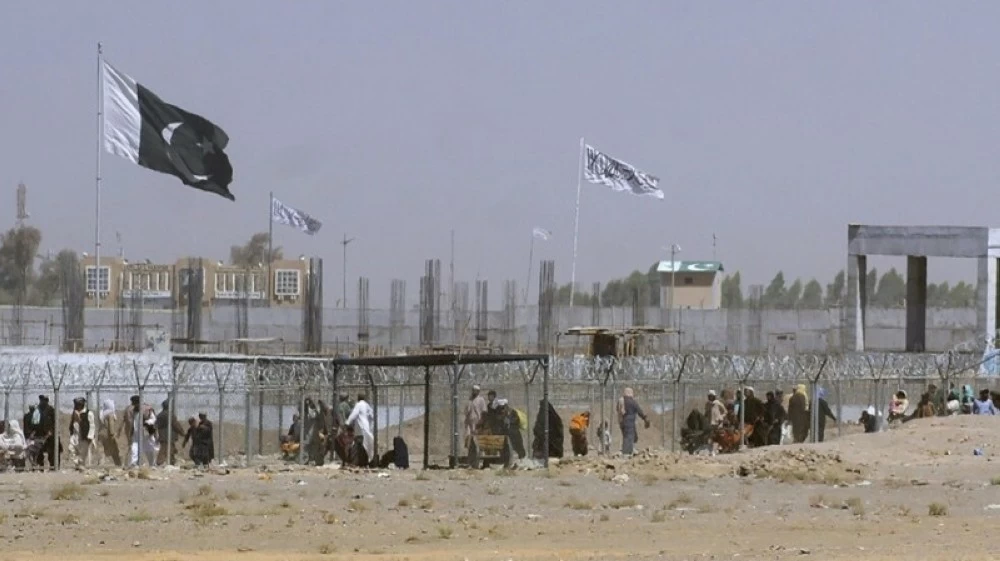
تجدّدت ألسنة التوتر على الخط الفاصل بين باكستان وأفغانستان، بعدما تحوّل الهدوء الحذر إلى مواجهة ضارية استمرت لساعات. فمع حلول الليل، دوّى هدير المدفعية الثقيلة بين قوات حرس الحدود الباكستانية ومقاتلي حركة طالبان، ليفتح مشهداً ينذر بعودة التصعيد في واحدة من أكثر النقاط حساسية في المنطقة. وفي ظل الضبابية التي تلفّ أسباب الاشتباك وتداعياته، تترقب المنطقة ما إذا كانت هذه الشرارة ستبقى مجرد حادثة عابرة أم بداية فصل جديد من التوتر.
وبينما أكدت الحكومة الأفغانية التابعة لحركة طالبان أن قواتها «ردّت على إطلاق النار الذي بدأته باكستان»، قال مسؤولون باكستانيون إن مقاتلين تابعين لطالبان هم من أطلقوا النار أولاً باتجاه مدنيين باكستانيين في المناطق القريبة من خط الحدود، الأمر الذي استدعى رداً مباشراً من الوحدات العسكرية المنتشرة هناك.
وبحسب وكالة «رويترز»، تداولت تقارير محلية على الجانبين أنباء عن وقوع إصابات، لكن لم يمكن التحقق منها بشكل مستقل في الساعات الأولى من اندلاع الاشتباكات، بسبب صعوبة الوصول إلى نقاط التماس ومحدودية المعلومات الرسمية الصادرة من الطرفين.
توتر مزمن وحدود غير مرسّمة
وتأتي هذه التطورات في ظل توتر طويل الأمد على طول خط دوراند، الحدود البالغة 2,600 كيلومتر، التي عادة ما تشهد اشتباكات متكررة بسبب النزاعات على نقاط العبور، وبناء الأسوار، واتهامات متبادلة بإيواء مجموعات مسلحة، وفق وكالة «أسوشيتد برس».
كما ترتبط الأزمة الحالية بسلسلة أحداث عنيفة شهدتها المنطقة أواخر العام الماضي، عندما نفذت القوات الجوية الباكستانية غارات داخل الأراضي الأفغانية، شملت مناطق في ولاية كونار وقرب العاصمة كابول، ضد ما قالت إنها معاقل جماعات مسلحة مسؤولة عن هجمات حدودية. وقد أدت إلى اندلاع مناوشات واسعة النطاق بين الجانبين.
هدنة هشة
وعلى الرغم من أن قطر توسطت في اتفاق تهدئة بين الطرفين قبل أشهر، إلا أن الاشتباكات الجديدة تهدد بانهياره، في وقت تتزايد فيه الهجمات التي تستهدف قوات الأمن الباكستانية داخل حدودها، والتي تُحمِّل إسلام أباد مسؤوليتها لمقاتلين يتمركزون داخل أفغانستان، وفق بيانات وزارة الداخلية الباكستانية.
من جهتها، ترى حركة طالبان الأفغانية أن باكستان تستخدم «ذريعة أمنية» لتبرير عملياتها العسكرية عبر الحدود، وتتهم الجيش الباكستاني بإطلاق النار على مناطق مأهولة قرب خط الحدود، وهو ما تنفيه إسلام أباد.
The tongues of tension have reignited along the dividing line between Pakistan and Afghanistan, as cautious calm turned into a fierce confrontation that lasted for hours. As night fell, the roar of heavy artillery echoed between the Pakistani border forces and Taliban fighters, opening a scene that warns of a return to escalation in one of the most sensitive points in the region. Amid the ambiguity surrounding the reasons for the clashes and their repercussions, the region is watching to see whether this spark will remain just an isolated incident or mark the beginning of a new chapter of tension.
While the Afghan government affiliated with the Taliban confirmed that its forces "responded to the gunfire initiated by Pakistan," Pakistani officials stated that Taliban fighters were the ones who first fired at Pakistani civilians in areas near the border line, prompting a direct response from the military units deployed there.
According to Reuters, local reports on both sides circulated news of injuries, but these could not be independently verified in the early hours of the clashes due to the difficulty of accessing the contact points and the limited official information released from both parties.
Chronic Tension and Unmarked Borders
These developments come amid long-standing tension along the Durand Line, the 2,600-kilometer border, which often witnesses repeated clashes due to disputes over crossing points, the construction of walls, and mutual accusations of harboring armed groups, according to the Associated Press.
The current crisis is also linked to a series of violent events that occurred in the region late last year when the Pakistani air force conducted airstrikes inside Afghan territory, including areas in Kunar province and near the capital Kabul, against what it said were strongholds of armed groups responsible for border attacks. This led to widespread skirmishes between the two sides.
Fragile Ceasefire
Although Qatar mediated a ceasefire agreement between the two sides months ago, the new clashes threaten its collapse, at a time when attacks targeting Pakistani security forces within its borders are increasing, which Islamabad attributes to fighters based in Afghanistan, according to statements from the Pakistani Interior Ministry.
For its part, the Afghan Taliban sees that Pakistan is using a "security pretext" to justify its military operations across the border, and accuses the Pakistani army of firing on populated areas near the border line, which Islamabad denies.