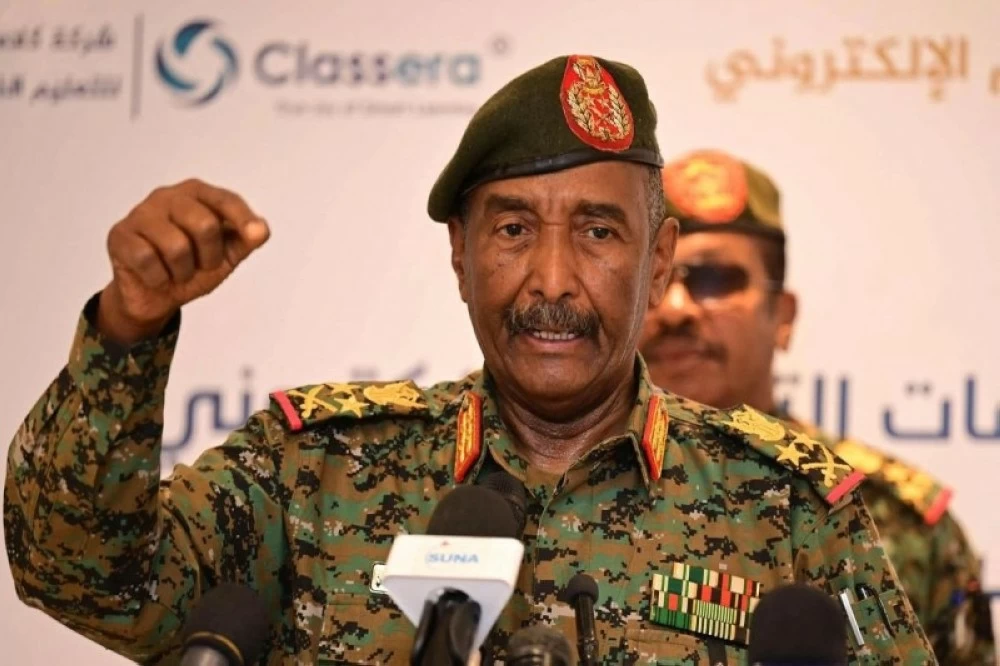
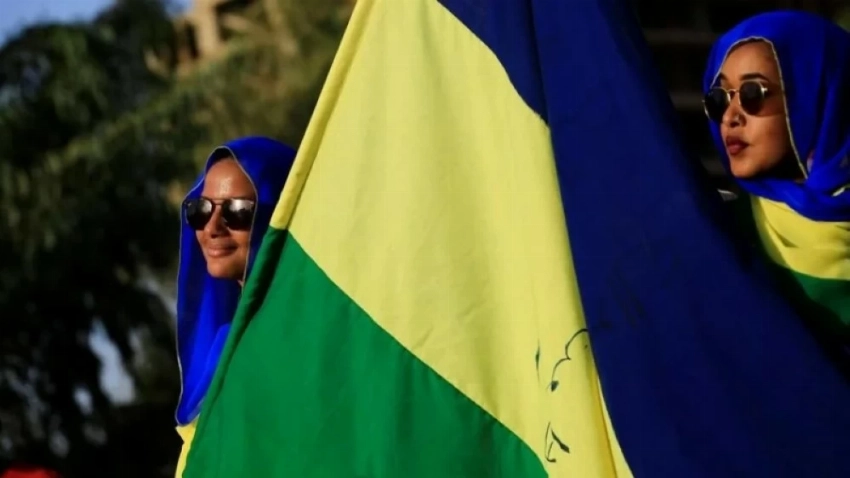
دعا رئيس مجلس السيادة الانتقالي في السودان الفريق أول عبد الفتاح البرهان، اليوم (الإثنين)، إلى العودة لعلم استقلال السودان بوصفه رمزاً يمكن أن يواكب ما وصفه بعملية «إعادة صياغة الدولة السودانية» على أسس جديدة.
وقال البرهان خلال مخاطبته فعالية لـ«القوة المشتركة لحركات الكفاح المسلح» في بورتسودان: «أقترح العودة إلى علمنا ذي الألوان الثلاثة الذي رفعه أجدادنا وآباؤنا في زمن الاستقلال»، مشدداً على ضرورة «إعادة صياغة الدولة السودانية من الأول وبناء السودان على أسس صحيحة».
تغيير جذري في بنية الدولة
وقال البرهان إن الأزمة الراهنة تستوجب تغييراً جذرياً في بنية الدولة ومسار العملية السياسية، مؤكداً أن العودة إلى علم الاستقلال تأتي ضمن رؤية أوسع لإعادة تشكيل الدولة السودانية بعد سنوات من الصراع.
ودعا البرهان كل من يستطيع حمل السلاح إلى الانضمام للمعركة ضد قوات الدعم السريع، مشدداً على أن أي تسوية سياسية لن تكون مقبولة ما لم تتضمن تفكيك قوات الدعم السريع بشكل كامل.
وأضاف: «هذه قناعة راسخة، أي حل أو مبادرة لا تتضمن تفكيك قوات الدعم السريع وتجريدها من السلاح هو أمر مرفوض لدينا تماماً»، مبيناً أن هدف المرحلة هو «تخليص السودان من الظلم والمآسي».
ولفت إلى أن إعادة بناء الدولة لن تتحقق إلا عبر توافق وطني شامل يؤسس لمرحلة جديدة في البلاد.
العلم السوداني
تاريخ الأعلام السودانية
ورُفع علم الاستقلال لأول مرة في 1 يناير 1956، ويتألف من 3 أشرطة أفقية بألوان الأزرق في الأعلى، والأصفر في الوسط، والأخضر في الأسفل، وعبّر في حينه عن رمزية النيل والصحراء والخصب، وظل معتمداً كشعار رسمي للبلاد حتى عام 1970، واستبدله الرئيس السابق جعفر محمد نميري بعد انقلاب 1969 بالعلم الحالي، الذي يتكون من 3 أشرطة أفقية (أحمر وأبيض وأسود)، يتقدّمها مثلث أخضر من جهة اليسار.
The Chairman of the Transitional Sovereignty Council in Sudan, Lieutenant General Abdel Fattah Al-Burhan, called today (Monday) for a return to the flag of Sudan's independence as a symbol that can accompany what he described as the process of "restructuring the Sudanese state" on new foundations.
Al-Burhan stated during his address at an event for the "Joint Forces of Armed Struggle Movements" in Port Sudan: "I propose a return to our three-colored flag that was raised by our ancestors and fathers at the time of independence," emphasizing the necessity of "restructuring the Sudanese state from the ground up and building Sudan on correct foundations."
Radical Change in the Structure of the State
Al-Burhan indicated that the current crisis necessitates a radical change in the structure of the state and the course of the political process, affirming that the return to the independence flag is part of a broader vision for reshaping the Sudanese state after years of conflict.
He called on everyone who can bear arms to join the fight against the Rapid Support Forces, stressing that any political settlement will not be acceptable unless it includes the complete dismantling of the Rapid Support Forces.
He added: "This is a firm conviction; any solution or initiative that does not include dismantling the Rapid Support Forces and stripping them of their weapons is completely rejected by us," explaining that the goal of this phase is "to rid Sudan of injustice and tragedies."
He pointed out that rebuilding the state can only be achieved through a comprehensive national consensus that establishes a new phase in the country.
العلم السوداني
History of the Sudanese Flags
The independence flag was first raised on January 1, 1956, consisting of three horizontal stripes with blue on top, yellow in the middle, and green at the bottom, symbolizing the Nile, the desert, and fertility. It remained the official emblem of the country until 1970, when former President Jaafar Nimeiri replaced it after the 1969 coup with the current flag, which consists of three horizontal stripes (red, white, and black), with a green triangle on the left side.