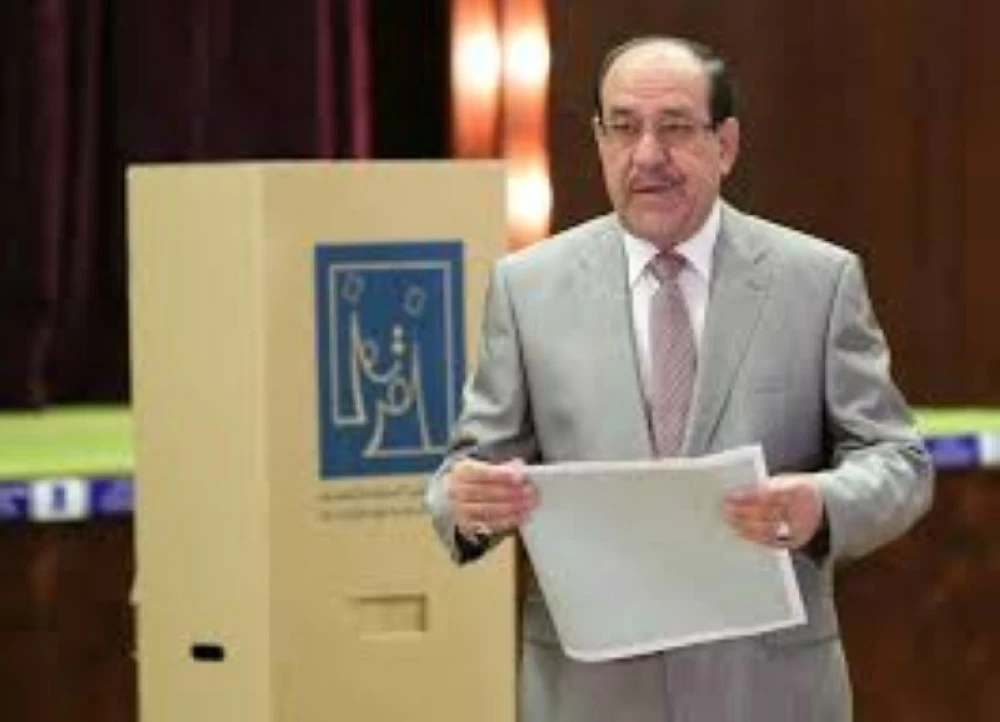
رشح مجلس شورى حزب الدعوة أمينه العام نوري المالكي لمنصب رئيس الوزراء في العراق، وفق ما أفاد مصدر مسؤول اليوم (السبت).
تزامن قرار الترشيح مع زيارة المالكي، الذي ترأس خلال الانتخابات النيابية «ائتلاف دولة القانون» المنافس لكتلة رئيس حكومة تصريف الأعمال محمد شياع السوداني، إلى أربيل للتفاوض مع قادة الحزب الديموقراطي حول تشكيل الحكومة واختيار الرئاسات الثلاث بعد الانتخابات البرلمانية التي جرت في 11 من نوفمبر الجاري.
وحسم تحالف «الإطار التنسيقي» موقفه وطرح نفسه الكتلة الأكثر عدداً في مجلس النواب، لتتولى تسمية المرشح لتشكيل الحكومة بعدما شكلت لجنة قيادية من أعضاء الإطار تضم كلاً من: عمار الحكيم رئيس كتلة الحكمة، والشيخ همام حمودي رئيس المجلس الأعلى الشيعي، وحزب الفضيلة الإسلامي لإجراء مقابلات مع المرشحين لتولي منصب رئاسة الحكومة بشروط اعتمدها قادة التحالف، أبرزها ألا يكون للمرشح طموح مستقبلي بالتجديد لولاية ثانية في الحكومة.
وكان السوداني، الذي تصدر تحالفه «الإعمار والتنمية» النتائج الانتخابية، دعا الخميس الماضي إلى الإسراع في إكمال الاستحقاقات وتشكيل حكومة قادرة على تنفيذ أولويات المرحلة وإكمال مسيرة الإصلاحات والإعمار والتنمية في عموم محافظات البلاد.
وشدد السوداني خلال جولة مشاورات مع وفد حزب الاتحاد الوطني الكردستاني، برئاسة وزير البيئة السابق نزار محمد سعيد آميدي، على «ضرورة تعزيز الشراكة والتعاون بين القوى الوطنية من أجل الإسراع في إكمال الاستحقاقات وتشكيل حكومة قادرة على تنفيذ أولويات المرحلة».
ولا يزال أمام الكتل والأحزاب السياسية مزيد من الوقت لبحث مستجدات العملية السياسية، خصوصاً أن مفوضية الانتخابات أمامها نحو أسبوعين لحسم الطعون على نتائج الإنتخابات التي تجاوزت 130 طعناً، ومن ثم مصادقة المحكمة الاتحادية العليا على أسماء الفائزين، لتبدأ بعدها مسيرة التوقيتات الدستورية لانتخاب الرئاسات، وتشكيل الحكومة الجديدة للسنوات الأربع القادمة.
وفي ظل استحالة وجود أغلبية مطلقة، يقوم أي ائتلاف قادر على التفاوض مع الحلفاء لتشكيل أكبر كتلة بترشيح رئيس الحكومة القادم.
The Shura Council of the Islamic Dawa Party has nominated its Secretary-General, Nouri al-Maliki, for the position of Prime Minister in Iraq, according to a responsible source today (Saturday).
The nomination decision coincided with al-Maliki's visit, who led the "State of Law Coalition" during the parliamentary elections, competing against the bloc of the caretaker Prime Minister Mohammed Shia' al-Sudani, to Erbil to negotiate with the leaders of the Democratic Party regarding the formation of the government and the selection of the three presidencies following the parliamentary elections that took place on November 11.
The "Coordination Framework" coalition has clarified its position and presented itself as the largest bloc in the House of Representatives, taking on the task of naming the candidate to form the government after forming a leadership committee from its members that includes: Ammar al-Hakim, head of the Hikma bloc, Sheikh Hammam Hamoudi, head of the Supreme Shia Council, and the Islamic Virtue Party to conduct interviews with candidates for the position of Prime Minister under conditions set by the coalition leaders, the most notable of which is that the candidate should not have future ambitions for a second term in government.
Al-Sudani, whose coalition "Reconstruction and Development" topped the election results, called last Thursday for the swift completion of the entitlements and the formation of a government capable of implementing the priorities of the phase and completing the path of reforms, reconstruction, and development across all provinces of the country.
Al-Sudani emphasized during a round of consultations with a delegation from the Patriotic Union of Kurdistan, headed by former Environment Minister Nizar Muhammad Said Amidi, the "necessity of enhancing partnership and cooperation among national forces to expedite the completion of the entitlements and the formation of a government capable of implementing the priorities of the phase."
Political blocs and parties still have more time to discuss the developments in the political process, especially since the Electoral Commission has about two weeks to resolve the appeals against the election results, which exceeded 130 appeals, and then for the Federal Supreme Court to ratify the names of the winners, after which the constitutional timelines for electing the presidencies and forming the new government for the next four years will begin.
In light of the impossibility of having an absolute majority, any coalition capable of negotiating with allies to form the largest bloc will nominate the next Prime Minister.