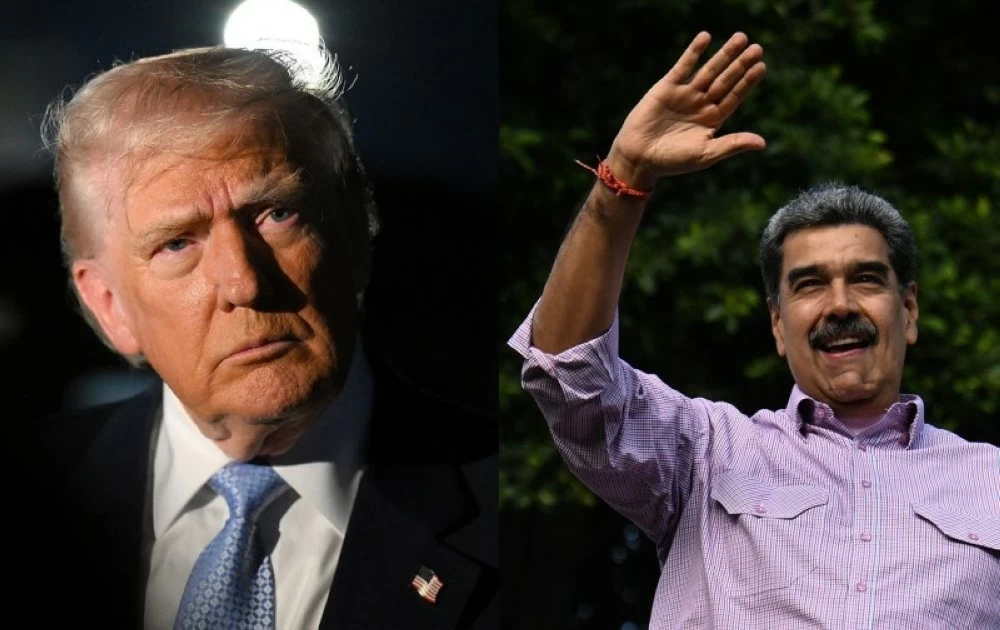
فيما تتصاعد التوترات حول فنزويلا، وسط حشد عسكري أمريكي كبير، وافق الرئيس دونالد ترمب على عمليات استخباراتية سرية وفتح قنوات اتصال غير مباشرة مع الرئيس نيكولاس مادورو.
ورغم أن احتمال إرسال قوات برية لايزال قائماً، فإن الحل الدبلوماسي يظل ممكناً، مع استمرار الضغط العسكري والاستخباراتي، وسط غموض أمريكي بشأن الهدف النهائي.
وصول حاملة الطائرات الأمريكية
وكشفت صحيفة «نيويورك تايمز» أن الرئيس الأمريكي وافق على «عمليات استخباراتية جديدة في فنزويلا، لتهيئة ساحة المعركة.
ووصلت حاملة الطائرات الأمريكية «يو إس إس جيرالد آر فورد»، التي تضم 5,000 جندي وعشرات الطائرات الحربية ومجموعة السفن الحربية المرافقة لها، إلى منطقة الكاريبي خلال عطلة نهاية الأسبوع، لتضاف إلى 8 سفن حربية وغواصة نووية ومقاتلات من طراز F-35، سبق إرسالها إلى المنطقة.
ونقلت الصحيفة الأمريكية عن مسؤولين مطلعين قولهم: «إن ترمب وافق على تنفيذ «عمليات استخباراتية» محتملة في فنزويلا، لكنه أعاد فتح قنوات اتصال «غير مباشرة» مع حكومة الرئيس نيكولاس مادورو».
ووفق المسؤولين، فإن خطط وكالة الاستخبارات المركزية الأمريكية CIA، تتضمن «عمليات سرية» في فنزويلا، و «قد تُستخدم لتهيئة ساحة المعركة لأي تحرك عسكري لاحق».
خيارات متعددة لسيناريوهات محتملة
وأفادت الصحيفة، بأن المخططين العسكريين ووكالة الاستخبارات المركزية أعدت خيارات متعددة لسيناريوهات محتملة، لكن لا يُعرف حتى الآن، طبيعة العمليات السرية أو موعد تنفيذها، ولم يُصدر ترمب أمراً بعد بنشر قوات قتالية على الأراضي الفنزويلية.
ورجحت أن تتضمن المرحلة التالية من حملة الضغط المتصاعدة على فنزويلا «أعمال تخريب، أو عمليات إلكترونية، أو نفسية أو إعلامية».
وذكرت الصحيفة، أن الرئيس الأمريكي لم يحسم بعد المسار الأشمل الذي قد يتبعه في فنزويلا، ولم يحدد علناً الهدف النهائي، باستثناء الحديث عن وقف تدفق المخدرات من المنطقة، والموافقة على إجراء جولة جديدة من المفاوضات غير المباشرة.
وأبلغ مسؤولون «نيويورك تايمز»، بأن المخططين العسكريين، أعدوا قوائم بمنشآت محتملة لإنتاج المخدرات يمكن استهدافها. ووضعت وزارة الحرب (البنتاغون) خططاً لضرب وحدات عسكرية موالية لمادورو.
وعقد الرئيس ترمب اجتماعين في غرفة العمليات الأسبوع الماضي، لدراسة الملف الفنزويلي واستعراض كل الخيارات.
غموض الموقف الأمريكي
ويكتنف الغموض الموقف الأمريكي، فبينما طلب ترمب من وكالة الاستخبارات المركزية التحضير لاحتمال تنفيذ عمليات سرية متعددة داخل فنزويلا، فإنه فتح قنوات اتصال غير مباشرة مع مادورو، بعد وقفها لفترة وجيزة الشهر الماضي.
وحسب مصادر مطلعة، فقد عبر مادورو في تلك المحادثات غير الرسمية، عن الاستعداد لمنح شركات الطاقة الأمريكية، إمكانية الوصول إلى ثروة بلاده النفطية. وأقر ترمب بتلك المحادثات خلال تصريحات للصحفيين، الأحد الماضي. وقال: «قد نجري بعض المناقشات مع مادورو، وسنرى إلى أين ستصل».
وأبلغ مسؤولون فنزويليون، نظراءهم الأمريكيين، بأن مادورو قد يقبل التنحي بعد مرحلة انتقالية تمتد من عامين إلى ثلاثة أعوام.
وأفادت مصادر مطلعة أنه ليس واضحاً ما النتيجة التي يفضلها ترمب، فقد يقبل اتفاقاً دبلوماسياً يتيح للشركات الأمريكية الوصول إلى موارد فنزويلا النفطية، أو يضغط من أجل تسوية تتيح لمادورو التنحي طوعاً، أو قد يطالب بأن تطيح الولايات المتحدة بالرئيس الفنزويلي بالقوة.
As tensions rise around Venezuela, amid a significant U.S. military buildup, President Donald Trump has approved covert intelligence operations and opened indirect communication channels with President Nicolás Maduro.
While the possibility of sending ground troops remains, a diplomatic solution is still possible, with military and intelligence pressure continuing, amidst U.S. ambiguity regarding the ultimate goal.
Arrival of the U.S. Aircraft Carrier
The New York Times revealed that the U.S. president has approved "new intelligence operations in Venezuela to prepare the battlefield.
The U.S. aircraft carrier USS Gerald R. Ford, which carries 5,000 soldiers and dozens of warplanes along with its accompanying warships, arrived in the Caribbean over the weekend, adding to the 8 warships, a nuclear submarine, and F-35 fighters that had already been sent to the region.
The American newspaper quoted informed officials as saying: "Trump has approved the execution of potential 'intelligence operations' in Venezuela, but he has reopened 'indirect' communication channels with the government of President Nicolás Maduro."
According to the officials, the plans of the U.S. Central Intelligence Agency (CIA) include "covert operations" in Venezuela, which "could be used to prepare the battlefield for any subsequent military action."
Multiple Options for Potential Scenarios
The newspaper reported that military planners and the CIA have prepared multiple options for potential scenarios, but the nature of the covert operations or their timing remains unknown, and Trump has not yet issued an order to deploy combat troops on Venezuelan soil.
It is anticipated that the next phase of the escalating pressure campaign on Venezuela may include "sabotage, electronic operations, or psychological or media operations."
The newspaper noted that the U.S. president has not yet decided on the broader course he may take in Venezuela, nor has he publicly specified the ultimate goal, aside from discussing stopping the flow of drugs from the region and agreeing to a new round of indirect negotiations.
Officials informed The New York Times that military planners have prepared lists of potential drug production facilities that could be targeted. The Department of Defense (Pentagon) has drawn up plans to strike military units loyal to Maduro.
President Trump held two meetings in the Situation Room last week to review the Venezuelan file and examine all options.
Ambiguity of the U.S. Position
The U.S. position is shrouded in ambiguity, as while Trump has asked the CIA to prepare for the possibility of executing multiple covert operations inside Venezuela, he has opened indirect communication channels with Maduro after suspending them briefly last month.
According to informed sources, Maduro expressed in those informal talks a willingness to grant U.S. energy companies access to his country's oil wealth. Trump acknowledged those talks during statements to reporters last Sunday, saying: "We may have some discussions with Maduro, and we'll see where it goes."
Venezuelan officials informed their American counterparts that Maduro might accept to step down after a transitional period lasting two to three years.
Informed sources indicated that it is unclear what outcome Trump prefers; he may accept a diplomatic agreement that allows U.S. companies access to Venezuela's oil resources, or he may push for a settlement that allows Maduro to voluntarily step down, or he may demand that the United States forcibly remove the Venezuelan president.