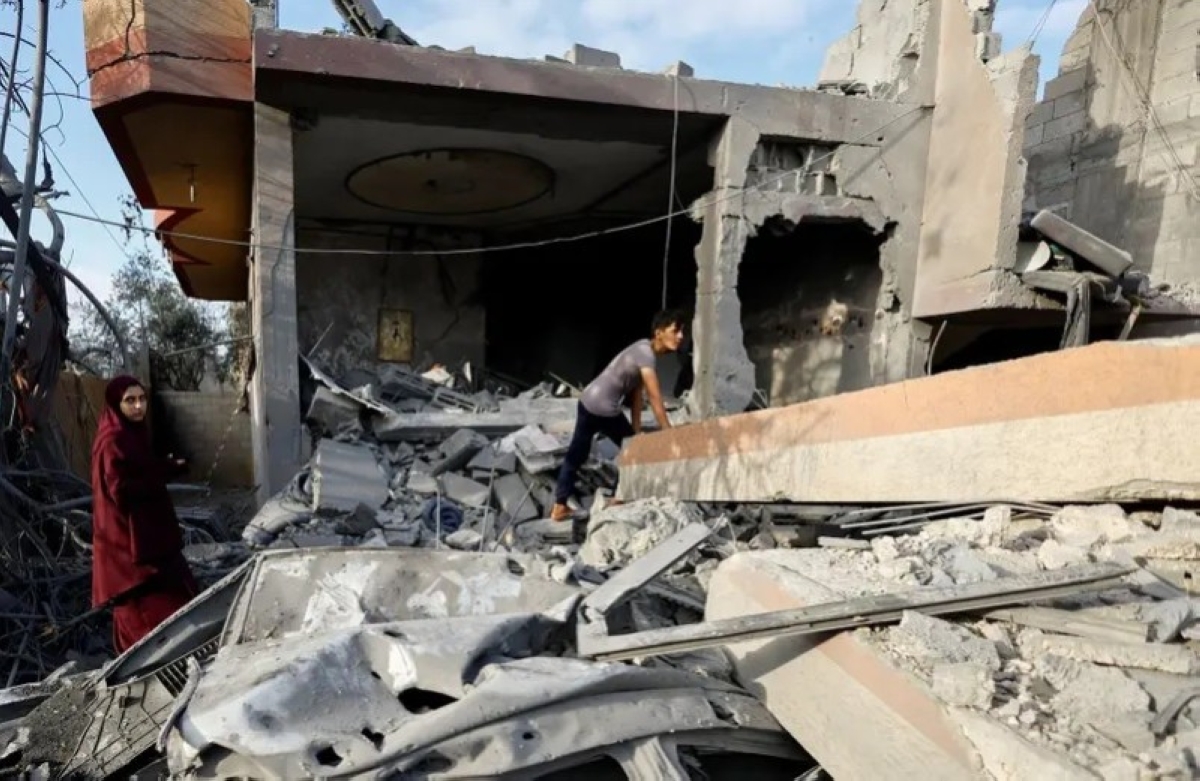
في الوقت الذي تواصل فيه إسرائيل انتهاك وقف إطلاق النار، تواجه خطة السلام التي قدمها الرئيس الأمريكي دونالد ترمب بشأن غزة «عقبة» بشأن كيفية نشر القوة الدولية لمراقبة الهدنة وضمان الأمن في القطاع المنكوب، من دون أن يؤدي ذلك إلى انسحاب حماس أو إسرائيل من العملية.
خياران لا ثالث لهما
وبحسب صحيفة «وول ستريت جورنال»، فإن أي قوة تدخل غزة قد تجد نفسها أمام خيارين، فإما مواجهة حركة حماس، أو الظهور كقوة تعمل لصالح إسرائيل، وكلا الخيارين «مر» ويحملان مخاطر سياسية وعسكرية.
وكشفت الصحيفة أن قادة الحركة نقلوا لرئيس المخابرات المصرية شروطهم للقبول بهذه القوة، وهي أن تكون على الحدود فقط، وألا تعمل على نزع سلاح الحركة، ودون تدخل في إدارة غزة.
ومن هنا تبدو مهمة إيجاد قوة توافقية في غزة بمثابة معركة معقدة، وتحتاج إلى الإجابة عمن سيدخل القطاع؟ وبأي صلاحيات سيعمل؟
وحذر مراقبون سياسيون من أنه من دون قوة متفق عليها وغطاء سياسي يحميها، فإن هدنة غزة قابلة للانهيار في أية لحظة.
الشكل القانوني للقوة المقترحة
وفي هذا السياق، قال خبير الأمم المتحدة في مجموعة الأزمات الدولية ريتشارد غوان: «لا حكومة، خصوصا من العالمين العربي والإسلامي، تريد أن يُنظر إلى جنودها وكأنهم ينفذون أجندة إسرائيل». وأضاف أن المهمة لا بد أن تكون قادرة على استخدام القوة إذا لزم الأمر، وهو ما يجعلها صعبة ميدانيا وإعلاميا في آن واحد.
وأفادت الصحيفة بأن إدارة ترمب تعمل مع شركائها على تحديد شكل القوة القانونية، وربما إصدار تفويض عبر مجلس الأمن، لكن لا تزال التفاصيل قيد النقاش، وسط تأكيد واشنطن على صمود وقف إطلاق النار.
وسبق أن أقر وزير الخارجية الأمريكي ماركو روبيو بأن المهمة صعبة «نجحنا في ما كان يبدو مستحيلا، وسنحاول تكرار ذلك».
وفيما عبرت دول مثل تركيا، باكستان، أذربيجان وإندونيسيا عن اهتمام بالمشاركة، فإن إسرائيل ترفض أي دور تركي. واقترحت مصر ودول أخرى، بحسب الصحيفة، إرسال نحو 5000 جندي، إضافة إلى 2000-3000 عنصر فلسطيني قيد التدريب، في حال جرى تفعيل القوة. ودعت إلى ضرورة صدور قرار أممي من مجلس الأمن يضفي شرعية على وجود الدول عسكريا في غزة.
تثبيت وقف إطلاق النار
في غضون ذلك، تتجه الأنظار إلى إسطنبول غدا (الإثنين)، حيث سيعقد لقاء حول غزة، برعاية وزير الخارجية التركي هاكان فيدان.
وأفادت مصادر مطلعة، اليوم (الأحد)، بأن وزراء خارجية البلدان التي اجتمعت مع الرئيس دونالد ترمب في نيويورك يوم 23 سبتمبر 2025، على هامش الدورة الثمانين للجمعية العامة للأمم المتحدة، سيشاركون في هذا الاجتماع. وأوضحت أن وزراء خارجية السعودية وتركيا والإمارات وإندونيسيا، وقطر وباكستان والأردن، سيحضرون.
ويبحث الاجتماع تثبيت وقف إطلاق النار والوضع الإنساني وإدخال المساعدات في غزة، وسبل الانتقال إلى المرحلة الثانية.
ودخل اتفاق وقف إطلاق النار حيز التنفيذ في العاشر من أكتوبر الماضي، ونص على إطلاق حماس جميع الأسرى الإسرائيليين الأحياء وتسليم جثث الأموات، مقابل انسحاب القوات الإسرائيلية إلى الخط الأصفر، وهي مناطق حددت سابقا خلال المفاوضات.
وتضمن إدخال المساعدات الغذائية والطبية إلى غزة بمعدل 600 شاحنة يوميا، ورفع الأنقاض.
وشملت المرحلة التالية تشكيل قوة دولية بشكل مؤقت لإدارة القطاع قد تكون تابعة لمجلس دولي أوسع، وسحب السلاح من القطاع، والبدء بإعادة الإعمار.
At a time when Israel continues to violate the ceasefire, the peace plan presented by U.S. President Donald Trump regarding Gaza faces an "obstacle" concerning how to deploy an international force to monitor the truce and ensure security in the afflicted sector, without leading to the withdrawal of Hamas or Israel from the process.
Two Options, No Third
According to the Wall Street Journal, any force entering Gaza may find itself facing two options: either confront Hamas or appear as a force acting in favor of Israel, and both options are "bitter" and carry political and military risks.
The newspaper revealed that the movement's leaders conveyed to the Egyptian intelligence chief their conditions for accepting this force, which are that it should only be on the borders, not work on disarming the movement, and not interfere in the administration of Gaza.
Thus, the task of finding a consensual force in Gaza seems to be a complex battle, needing to answer who will enter the sector and what powers they will operate under.
Political observers warned that without an agreed-upon force and a political cover to protect it, the Gaza truce is susceptible to collapse at any moment.
The Legal Framework for the Proposed Force
In this context, Richard Gowan, a UN expert at the International Crisis Group, stated: "No government, especially from the Arab and Islamic worlds, wants its soldiers to be seen as implementing an Israeli agenda." He added that the mission must be able to use force if necessary, which makes it difficult both on the ground and in the media at the same time.
The newspaper reported that the Trump administration is working with its partners to define the legal form of the force, possibly issuing a mandate through the Security Council, but details are still under discussion, amid Washington's insistence on the durability of the ceasefire.
U.S. Secretary of State Marco Rubio previously acknowledged that the mission is difficult, stating, "We succeeded in what seemed impossible, and we will try to replicate that."
While countries like Turkey, Pakistan, Azerbaijan, and Indonesia have expressed interest in participating, Israel rejects any Turkish role. Egypt and other countries have suggested, according to the newspaper, sending about 5,000 troops, in addition to 2,000-3,000 Palestinian personnel in training, should the force be activated. They called for a UN resolution from the Security Council to legitimize the military presence of countries in Gaza.
Establishing the Ceasefire
Meanwhile, attention is turning to Istanbul tomorrow (Monday), where a meeting on Gaza will be held, sponsored by Turkish Foreign Minister Hakan Fidan.
Informed sources reported today (Sunday) that the foreign ministers of the countries that met with President Donald Trump in New York on September 23, 2025, on the sidelines of the 80th session of the United Nations General Assembly, will participate in this meeting. They clarified that the foreign ministers of Saudi Arabia, Turkey, the UAE, Indonesia, Qatar, Pakistan, and Jordan will attend.
The meeting will discuss consolidating the ceasefire, the humanitarian situation, and the entry of aid into Gaza, as well as ways to transition to the second phase.
The ceasefire agreement came into effect on October 10 of last year, stipulating that Hamas would release all living Israeli prisoners and hand over the bodies of the deceased, in exchange for the withdrawal of Israeli forces to the yellow line, which are areas previously defined during negotiations.
It included the entry of food and medical aid into Gaza at a rate of 600 trucks daily, and the removal of rubble.
The next phase included forming an international force temporarily to manage the sector, which could be affiliated with a broader international council, disarming the sector, and starting reconstruction.