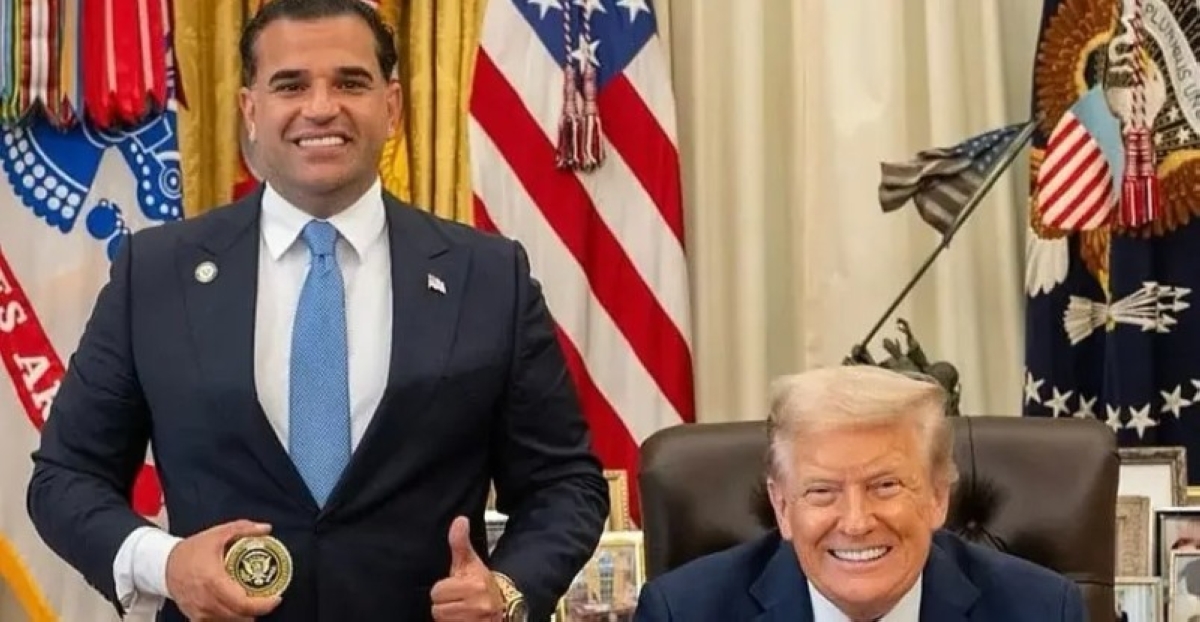
تسلّم المبعوث الأمريكي الخاص إلى العراق مارك سافايا، مهمته رسمياً، اليوم (الأحد)، بعد تكليفه من الرئيس دونالد ترمب.
وقال في منشور على منصة «إكس»: «بفضل القيادة الحكيمة للرئيس دونالد ترمب، عاد العراق إلى الواجهة، الآن أباشر مهمات عملي، لنجعل العراق عظيماً من جديد».
إعلان سافايا وهو من أصول عراقية لاقى ترحيباً عراقياً رسمياً، فيما التزمت الفصائل المسلحة الصمت، باستثناء الهجوم الذي شنه عليه مقتدى الصدر، معتبراً أنه حضر لإملاء سياساته على السياسيين الفاسدين، وفق قوله.
وترى دوائر سياسية أن مهمة سافايا في العراق محيرة رغم أنه تحدث صراحة عن «كبح الفصائل» لكن اللغز يبقى في تعريف من هي تلك الفصائل.
وكان سافايا أعلن قبل مجيئه إلى العراق أن واشنطن لن تقبل بوجود جماعات مسلحة خارج سلطة الدولة، مؤكداً أن استقرار العراق يتطلب قوات أمن موحدة تحت راية واحدة. ودعا إلى تحييد تأثير إيران وتعزيز التعاون بين بغداد وأربيل لتحقيق الأمن والنمو الاقتصادي.
وأكد أن العراق بلد محوري في الشرق الأوسط، ويجب أن يؤدي دوره في تعزيز السلام والاستقرار، لافتاً إلى أن مهمته تتمثل في دعم سيادة العراق وازدهاره وتعميق الشراكة مع الولايات المتحدة.
بالمقابل، رحبت الحكومة العراقية بتصريحات سافايا دون التطرق إلى ملف الفصائل والدور الخارجي، معتبرة أن تصريحاته تعبرعن رؤية إيجابية وفهم متزايد داخل الإدارة الأمريكية للمشهد العراقي.
ويعتقد سياسيون عراقيون تحدثوا لـ «عكاظ» أن دور سافايا «مبهم»، وأن الأمور ستتضح أكثر بعد الانتخابات، واعتبروا أن الأمريكيين يريدون حكومة عراقية بغض النظر عن خلفيتها. وقال هؤلاء إن هناك شرطين رئيسيين: أن تكون الحكومة القادمة منفصلة عن الإطار التنسيقي وتحكم قواه. والثاني أن تساعد في تنفيذ العقوبات على إيران خصوصاً في قضايا الدولار والكهرباء؛ لأن الولايات المتحدة لا ترغب حالياً في الانخراط في حرب مباشرة ضدها؛ لذا يجب الحد من نفوذها في العراق.
The U.S. special envoy to Iraq, Mark Safaya, officially began his mission today (Sunday) after being appointed by President Donald Trump.
He stated in a post on the "X" platform: "Thanks to the wise leadership of President Donald Trump, Iraq is back in the spotlight. I am now starting my duties to make Iraq great again."
Safaya, who has Iraqi roots, received official Iraqi welcome, while armed factions remained silent, except for the attack launched against him by Muqtada al-Sadr, who claimed that he came to impose his policies on corrupt politicians.
Political circles view Safaya's mission in Iraq as puzzling, even though he spoke openly about "curbing the factions," but the mystery remains in defining who those factions are.
Before arriving in Iraq, Safaya announced that Washington would not accept the presence of armed groups outside the authority of the state, emphasizing that Iraq's stability requires unified security forces under one banner. He called for neutralizing Iran's influence and enhancing cooperation between Baghdad and Erbil to achieve security and economic growth.
He affirmed that Iraq is a pivotal country in the Middle East and must play its role in promoting peace and stability, noting that his mission is to support Iraq's sovereignty, prosperity, and deepen the partnership with the United States.
In contrast, the Iraqi government welcomed Safaya's statements without addressing the issue of factions and external roles, considering that his remarks reflect a positive vision and an increasing understanding within the U.S. administration of the Iraqi scene.
Iraqi politicians who spoke to "Okaz" believe that Safaya's role is "ambiguous," and that matters will become clearer after the elections. They considered that the Americans want an Iraqi government regardless of its background. These politicians stated that there are two main conditions: the next government should be separate from the coordinating framework and govern its forces. The second is that it should help implement sanctions on Iran, especially regarding dollar and electricity issues; because the United States currently does not wish to engage in direct war against it; thus, its influence in Iraq must be limited.