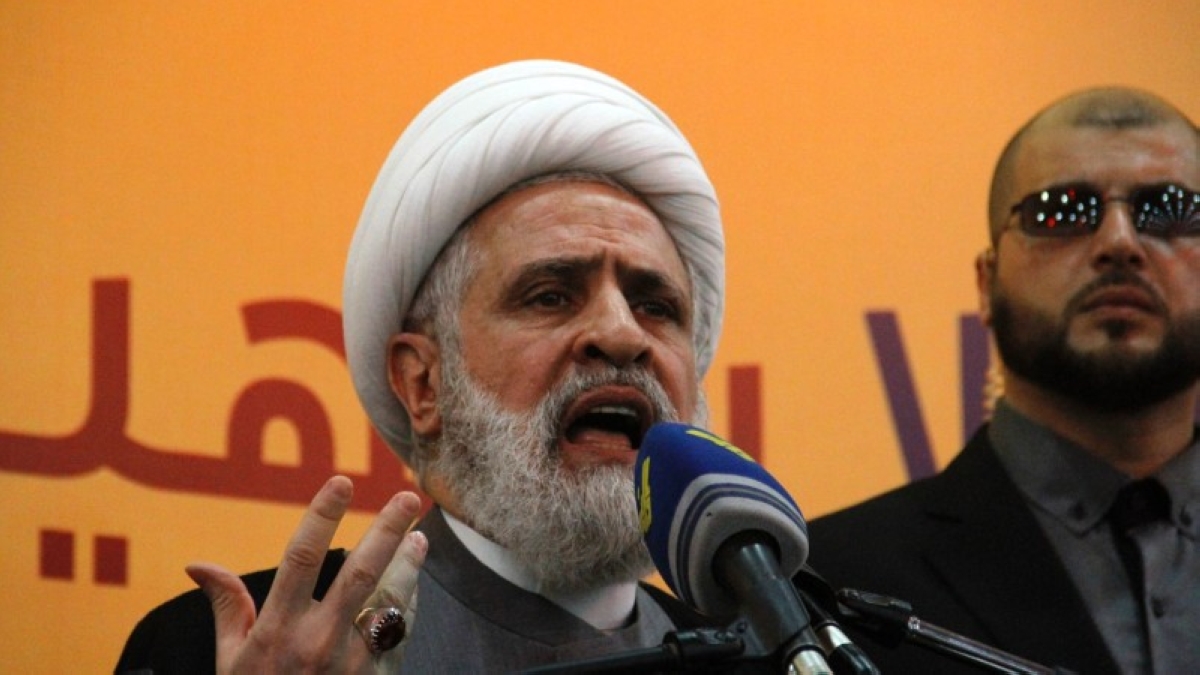
في وقت تتصاعد فيه التهديدات الإسرائيلية على لبنان، وتنقل وسائل الإعلام العبرية عن رئيس الوزراء بنيامين نتنياهو قوله: إن إسرائيل ستكثّف ضرباتها في الأيام القادمة، اختار أمين عام حزب الله نعيم قاسم أن يرفع نبرة خطابه هو الآخر، فهاجم الولايات المتحدة واتهمها بأنها الراعية للعدوان، لكنه في المقابل أشاد بموقف الرئيس اللبناني العماد جوزيف عون، معتبراً أن أوامره للجيش بالتصدي لأي توغل إسرائيلي تمثل موقفاً مسؤولاً يُبنى عليه.
هذا التناقض بين الهجوم على الخارج واحتضان القرار الرسمي في الداخل يكشف ارتباكاً في تموضع حزب الله بين منطق الدولة ومنطق المواجهة، خصوصاً في ظرف تتقاطع فيه تهديدات إسرائيلية مباشرة مع ضغوط سياسية واقتصادية متزايدة على لبنان. فبينما يرفع نتنياهو سقف التصعيد الميداني، يرفع حزب الله بدوره سقف الخطاب، لكن من دون أن يقدّم رؤية واضحة لما يمكن أن يتحمله لبنان من هذا الاشتباك المفتوح.
فمن جهة، يحاول الحزب أن يقدم نفسه كقوة وطنية تدافع عن السيادة، ومن جهة أخرى، يصرّ على خطاب يتجاوز المؤسسات الشرعية ويحمّل لبنان أثمان الصراع الإقليمي. هذا المزيج بين لغة التحدي ومحاولة التقرب من الدولة يوحي بأن الحزب يسعى لتجديد صورته في الداخل، في وقت بدأ فيه اللبنانيون يبتعدون عن خطاب التعبئة التقليدي بعد سنوات من الإنهاك والانهيار.
لكن ما يمكن التوقف عنده، هو سعيه إلى تأطير الموقف الرسمي ضمن منطق حزبي، فإشادته بموقف الرئيس عون قد تُقرأ كمحاولة لربط قرار الجيش بخط الحزب السياسي، وكأن الدفاع عن الحدود لا يمكن أن يتحقق إلا تحت مظلته. هذه المقاربة تضع المؤسسة العسكرية في موقع حرج، لأنها توهم بوجود انسجام بين القرارين بينما الواقع مختلف: الجيش يتحرك ضمن الشرعية، فيما يتحرك الحزب خارج الشرعية.
كذلك، فإن التصعيد اللفظي ضد واشنطن لا يخلو من مغامرة سياسية. فلبنان اليوم يعتمد بشكل أساسي على المساعدات الأمريكية والدولية، وأي توتير للعلاقة معها لن يكون في مصلحة البلاد ولا المؤسسة العسكرية التي يشيد بها الحزب. كما أن تصوير أمريكا على أنها «الراعية للعدوان» يختزل المشهد في معادلة تبسيطية تُعيد إنتاج خطاب قديم لم يعد يقنع الداخل ولا الخارج.
في المحصلة، يظهر خطاب نعيم قاسم كترجمة لحالة ضياع يعيشها الحزب بين منطق الدولة ومنطق السلاح. فبين تهديدات نتنياهو من جهة، ورغبته في الظهور كشريك شرعي في القرار الوطني من جهة أخرى، يقف حزب الله في منطقة رمادية لا تمنحه صفة الدولة ولا تعفيه من مسؤولية المواجهة، لتبقي لبنان عالقاً في ضباب سياسي يزداد كثافة كلما ارتفع صوت التهديد.
At a time when Israeli threats against Lebanon are escalating, and Hebrew media report Prime Minister Benjamin Netanyahu's statement that Israel will intensify its strikes in the coming days, Hezbollah's Secretary-General Naeem Qassem has chosen to raise the tone of his rhetoric as well. He attacked the United States, accusing it of being the sponsor of aggression, but on the other hand, he praised the position of Lebanese President General Joseph Aoun, considering that his orders to the army to confront any Israeli incursion represent a responsible stance that can be built upon.
This contradiction between attacking external forces and embracing the official decision domestically reveals a confusion in Hezbollah's positioning between the logic of the state and the logic of confrontation, especially in a situation where direct Israeli threats intersect with increasing political and economic pressures on Lebanon. While Netanyahu raises the ceiling of field escalation, Hezbollah also raises the ceiling of rhetoric, but without providing a clear vision of what Lebanon can endure from this open conflict.
On one hand, the party tries to present itself as a national force defending sovereignty, while on the other hand, it insists on a discourse that transcends legitimate institutions and burdens Lebanon with the costs of regional conflict. This mixture of challenging language and attempts to approach the state suggests that the party is seeking to renew its image domestically, at a time when the Lebanese have begun to distance themselves from traditional mobilization rhetoric after years of exhaustion and collapse.
However, what can be noted is its attempt to frame the official position within a party logic. His praise for President Aoun's stance could be interpreted as an attempt to link the army's decision to the party's political line, as if defending the borders can only be achieved under its umbrella. This approach places the military institution in a difficult position, as it creates the illusion of harmony between the two decisions, while the reality is different: the army operates within legality, while the party operates outside of it.
Moreover, the verbal escalation against Washington is not without political risk. Lebanon today relies primarily on American and international aid, and any tension in the relationship with them will not be in the interest of the country or the military institution that the party praises. Additionally, portraying America as the "sponsor of aggression" reduces the scene to a simplistic equation that reproduces an old discourse that no longer convinces either the domestic audience or the external one.
In conclusion, Naeem Qassem's rhetoric appears as a translation of the state of confusion the party is experiencing between the logic of the state and the logic of arms. Between Netanyahu's threats on one hand and his desire to appear as a legitimate partner in national decision-making on the other, Hezbollah stands in a gray area that neither grants it the status of a state nor absolves it of the responsibility of confrontation, leaving Lebanon trapped in a political fog that thickens as the voice of threat rises.