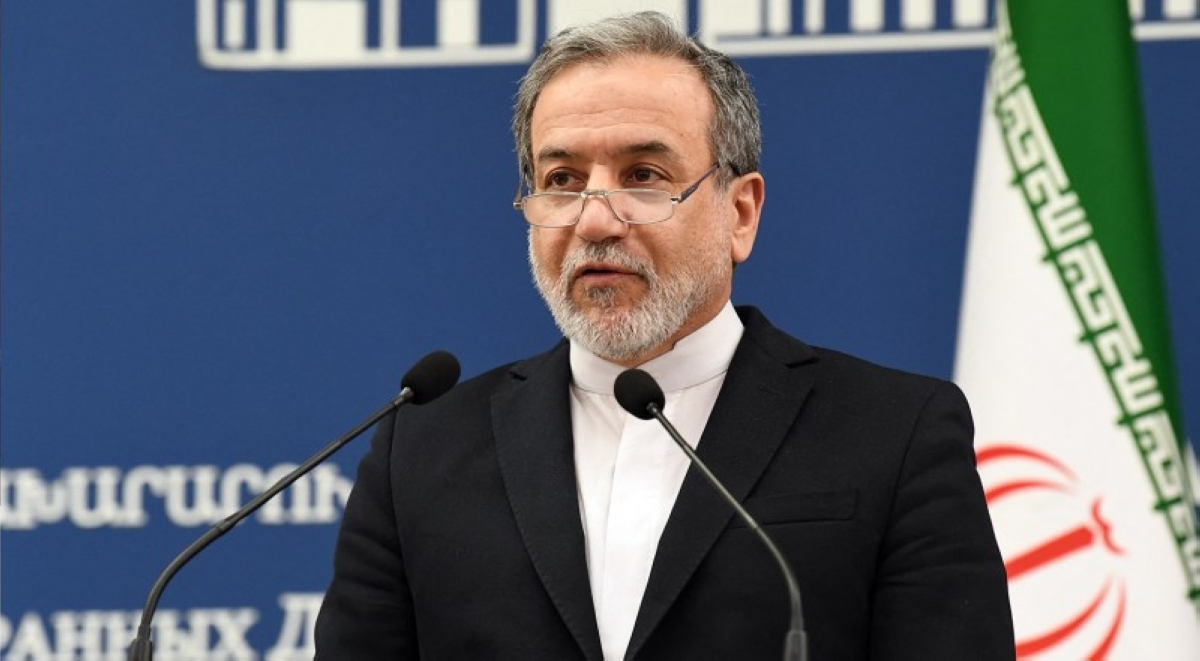
أكد وزير الخارجية الإيراني عباس عراقجي، اليوم (السبت)، أن إدارة العلاقات ما زالت ممكنة، موضحاً أن واشنطن طلبت من طهران، الشهر الماضي، تسليم اليورانيوم المخصب مقابل تأجيل تفعيل آلية الزناد.
وكشف وزير الخارجية الإيراني في مقابلة عبر الإنترنت نقلتها وكالة «إيسنا» استعداد بلاده للتفاوض وبناء الثقة لإزالة المخاوف من البرنامج النووي، مؤكداً الجاهزية لإبرام اتفاق وتنفيذه.
وقال عراقجي: «العلاقات بين إيران والولايات المتحدة قابلة للإدارة»، مبيناً أن تخصيب اليورانيوم حق لإيران.
ولفت إلى أنه لا يمكن لأحد حرمانها من هذا الحق لأن لديه مخاوف، مشيراً إلى أن «مطالب أمريكا غير منطقية ولا نرى أي أرضية إيجابية للتفاوض معها».
التفاوض لبناء الثقة
وأضاف أن إيران مستعدة للتفاوض وبناء الثقة لإزالة المخاوف من برنامجها النووي وإبرام اتفاق وتنفيذه، معتبراً أن أسلوب الولايات المتحدة في التفاوض هو فرض الإملاءات وهو ما لن تخضع له بلاده وستصر على استقلالها.
وكان أمين مجلس الأمن القومي الإيراني الأعلى علي لاريجاني قد قال: «الشرط الغربي المسبق لتعليق إعادة فرض العقوبات كان خفض مدى صواريخنا إلى أقل من 500 كيلومتر»، مبيناً أن طهران رفضت ذلك.
خفض القدرة الصاروخية
ولفت إلى أن القدرة الصاروخية تعد ركيزة أساسية لأمن إيران القومي ودفاعها، موضحاً أن خفض مداها يُضعف أهم الأدوات الدفاعية.
واعتبر طلب التخفيض لمدى الصواريخ مطلباً بالاستسلام، معتبراً أنه غير معقول ومبالغ فيه.
The Iranian Foreign Minister Abbas Araghchi confirmed today (Saturday) that managing relations is still possible, explaining that Washington asked Tehran last month to deliver enriched uranium in exchange for postponing the activation of the snapback mechanism.
The Iranian Foreign Minister revealed in an online interview reported by the "ISNA" agency that his country is ready to negotiate and build trust to alleviate concerns about its nuclear program, affirming its readiness to conclude and implement an agreement.
Araghchi stated, "The relations between Iran and the United States are manageable," indicating that uranium enrichment is Iran's right.
He pointed out that no one can deprive it of this right due to their concerns, noting that "America's demands are unreasonable, and we do not see any positive ground for negotiating with them."
Negotiating to Build Trust
He added that Iran is ready to negotiate and build trust to remove concerns about its nuclear program and to conclude and implement an agreement, considering that the United States' approach to negotiations is to impose dictates, which his country will not submit to and will insist on its independence.
The Secretary of the Supreme National Security Council of Iran, Ali Larijani, had said: "The Western precondition for suspending the re-imposition of sanctions was to reduce the range of our missiles to less than 500 kilometers," indicating that Tehran rejected that.
Reducing Missile Capability
He pointed out that missile capability is a fundamental pillar of Iran's national security and defense, explaining that reducing its range weakens one of the most important defensive tools.
He considered the demand to reduce missile range as a demand for surrender, deeming it unreasonable and exaggerated.