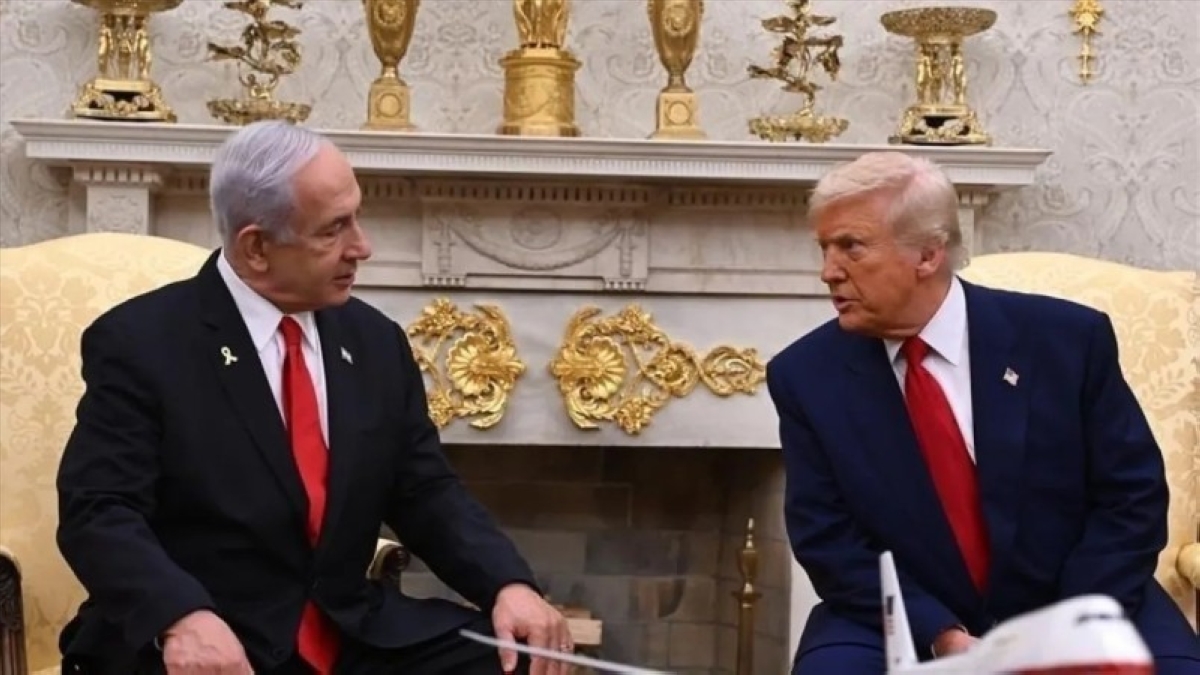
كشف الرئيس الأمريكي دونالد ترمب ضغوطا شديدة مارسها على رئيس الوزراء الإسرائيلي بنيامين نتنياهو، خلال اتصال هاتفي حاد، لإقناعه بقبول خطته لإنهاء الحرب في قطاع غزة، والتي أفضت إلى وقف إطلاق النار بين إسرائيل وحركة حماس.
وأوضح ترمب وهو يروي تفاصيل المحادثة في مقابلة مع مجلة «تايم» الأمريكية، اليوم (الخميس)، أنه اتصل، مساء السبت 4 أكتوبر، بنتنياهو، ليبلغه رسالة مفادها بأن الحرب في غزة قد انتهت، وكان حينها مبعوثه قد توسط في اتفاق مع وسطاء من قطر ومصر وتركيا، لإنهاء عامين من القصف وسفك الدماء.
حديث منفرد بين ترمب ونتنياهو
وأشار إلى أنه في يوم الإثنين التالي، أخبر الرئيس الأمريكي نتنياهو خلال محادثة هاتفية، أنهم يعتزمون إعلان الاتفاق، وكان على رئيس الوزراء الإسرائيلي قبوله.
وقال ترمب: «بيبي (نتنياهو)، لا يمكنك أن تحارب العالم، يمكنك أن تخوض معارك فردية، لكن العالم ضدك»، مبيناً أن نتنياهو أبدى معارضة لكن ترمب لم يقبل ذلك، وانطلق فيما وصفته المجلة بأنه «حديث منفرد سادته الشتائم»، معدداً كل ما فعله من أجل إسرائيل كرئيس نقل السفارة الأمريكية إلى القدس، واعترف بسيادتها على مرتفعات الجولان، وتوسط في (اتفاقات أبراهام) التي قامت إسرائيل بموجبها بتطبّيع العلاقات مع دول عربية، وحتى الانضمام إلى إسرائيل عندما شنت ضربات على إيران في يونيو الماضي.
وأشار ترمب إلى أنه لم يعد بإمكانه الوقوف إلى جانب رئيس الوزراء الإسرائيلي، إذا لم يوقع على الاتفاق.
اتفاق من مرحلتين
وفي تعليق على الاتصال، قال المبعوث الأمريكي الخاص إلى الشرق الأوسط ستيف ويتكوف: «لقد كان تصريحاً صريحاً ومباشراً جداً لبيبي، بأنه (ترمب) لن يقبل بأي شيء آخر بخلاف هذا»، في إشارة إلى قبول الاتفاق.
وبحلول نهاية المكالمة، وافق نتنياهو على اتفاق من مرحلتين يتضمن وقف إطلاق النار بين إسرائيل و«حماس» في غزة، وتأمين عودة المحتجزين الإسرائيليين مقابل الأسرى والمعتقلين الفلسطينيين، والسماح بدخول شحنات المساعدات إلى القطاع المدمر، وسحب القوات الإسرائيلية من أجزاء من القطاع، وفتح مفاوضات من أجل التوصل إلى تسوية نهائية.
واعتبرت المجلة، أنه إذا صمد اتفاق وقف إطلاق النار، فإنه ينهي أطول حرب في تاريخ إسرائيل، أودت بحياة نحو 2000 إسرائيلي، ونحو 70 ألف فلسطيني.
وذكرت المجلة أن اتفاق غزة، يمثل علامة فارقة في محاولة ترمب المستمرة لإعادة تشكيل الشرق الأوسط الحديث.
U.S. President Donald Trump revealed the intense pressure he exerted on Israeli Prime Minister Benjamin Netanyahu during a heated phone call to convince him to accept his plan to end the war in the Gaza Strip, which led to a ceasefire between Israel and Hamas.
Trump explained while recounting the details of the conversation in an interview with the American magazine "Time" today (Thursday) that he called Netanyahu on the evening of Saturday, October 4, to inform him that the war in Gaza was over, at which point his envoy had mediated an agreement with intermediaries from Qatar, Egypt, and Turkey to end two years of bombing and bloodshed.
A Private Conversation Between Trump and Netanyahu
He noted that on the following Monday, the U.S. president told Netanyahu during a phone conversation that they intended to announce the agreement, and the Israeli Prime Minister had to accept it.
Trump said: "Bibi (Netanyahu), you can't fight the world; you can fight individual battles, but the world is against you," indicating that Netanyahu expressed opposition but Trump did not accept that, launching into what the magazine described as a "private conversation filled with insults," listing everything he had done for Israel as president, including moving the U.S. embassy to Jerusalem, recognizing its sovereignty over the Golan Heights, mediating the (Abraham Accords) under which Israel normalized relations with Arab countries, and even joining Israel when it launched strikes against Iran last June.
Trump indicated that he could no longer stand by the Israeli Prime Minister if he did not sign the agreement.
A Two-Phase Agreement
Commenting on the call, U.S. Special Envoy to the Middle East Steve Witkoff said: "It was a very clear and direct statement to Bibi that (Trump) would not accept anything other than this," referring to the acceptance of the agreement.
By the end of the call, Netanyahu agreed to a two-phase agreement that included a ceasefire between Israel and "Hamas" in Gaza, securing the return of Israeli captives in exchange for Palestinian prisoners and detainees, allowing aid shipments into the devastated territory, withdrawing Israeli forces from parts of the area, and opening negotiations to reach a final settlement.
The magazine considered that if the ceasefire agreement holds, it would end the longest war in Israel's history, which claimed the lives of about 2,000 Israelis and around 70,000 Palestinians.
The magazine noted that the Gaza agreement represents a milestone in Trump's ongoing attempt to reshape the modern Middle East.