


رغم إعلان السلطات الإيرانية انتهاء العمل بالاتفاق النووي الموقع عام 2015، أفاد المتحدث باسم وزارة الخارجية إسماعيل بقائي، بأن المفاوضات غير المباشرة مع الولايات المتحدة لم تتوقف.
وقال في مؤتمر صحفي، اليوم الإثنين، إن طهران وواشنطن ليستا على أعتاب مسار تفاوضي، إلا أن المحادثات غير المباشرة لم تتوقف لكنها مشروطة بمصالح إيران.
وأضاف بقائي: إن الاتصالات غير المباشرة بين إيران والأطراف المقابلة ما زالت مستمرة كما في السابق، وقد تبادل الوسطاء رسائل بيننا وبينهم.
واعتبر أن الملف النووي لبلاده «ليس قضية خلافية دولية في الأساس، لكنه أُدرج في جدول أعمال الأمم المتحدة بإصرار من الدول الأوروبية الثلاث والولايات المتحدة».
وشدد متحدث الخارجية الإيرانية على أنه من حق الإيرانيين الاستخدام السلمي للطاقة النووية، وهو حق أصيل نابع من عضوية البلاد في معاهدة حظر انتشار الأسلحة النووية (NPT)، وليس امتيازاً يمنحه الآخرون أو يعترفون به.
وكان الرئيس الأمريكي دونالد ترمب أعلن قبل أكثر من أسبوع أنه سيرفع العقوبات عن طهران إذا أبدت استعدادها للتفاوض. وقال إن اتفاقاً مع إيران سيتم التوصل إليه في نهاية المطاف، لأن القيادة الإيرانية ترغب بذلك.
وأعلنت إيران، السبت، أنها لم تعد ملزمة بالقيود المفروضة على برنامجها النووي، وذلك في اليوم الذي انتهى فيه العمل باتفاق 2015 والقرار الأممي 2231.
وأفادت الخارجية الإيرانية بأنه من الآن فصاعدًا، «تُعتبر جميع أحكام (الاتفاق)، بما في ذلك القيود المفروضة على البرنامج النووي الإيراني والآليات ذات الصلة منتهية»، مؤكدةً «التزام إيران الراسخ بالدبلوماسية».
طهران: لم نغلق مسار التفاوض مع واشنطن
20 أكتوبر 2025 - 13:03
|
آخر تحديث 20 أكتوبر 2025 - 13:03
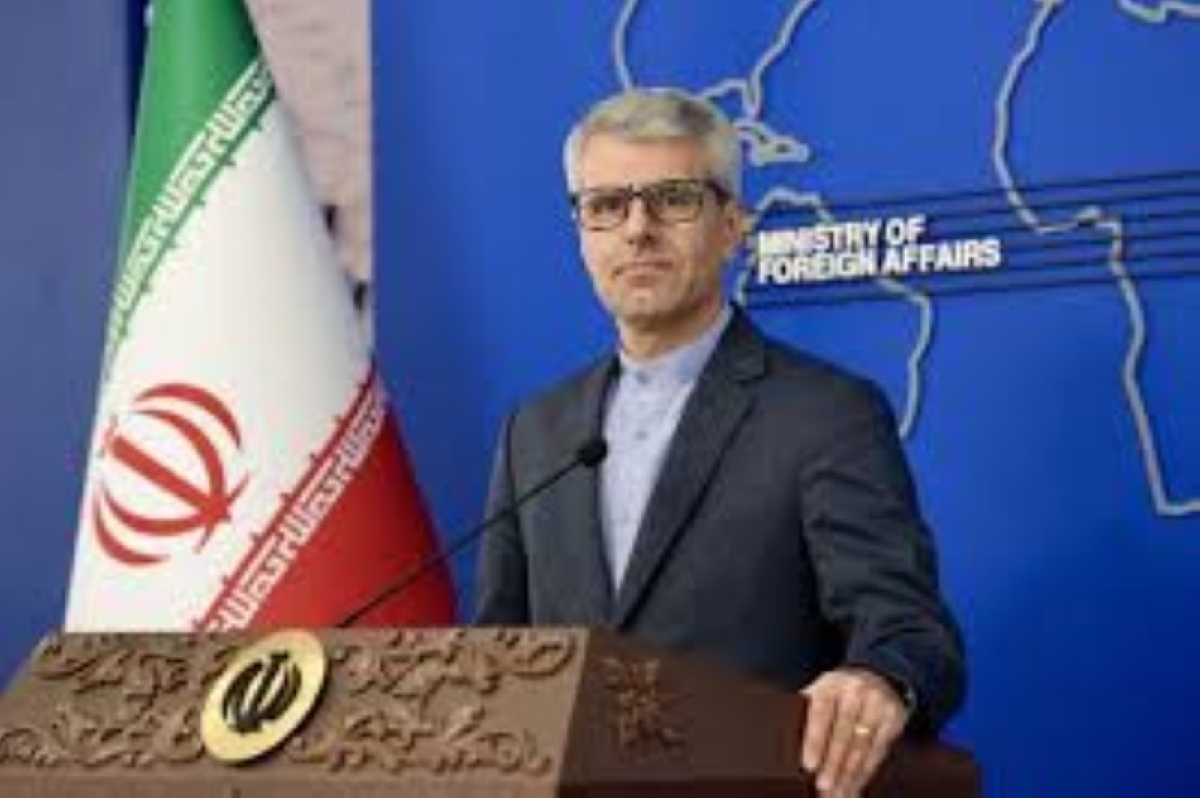
إسماعيل بقائي


تابع قناة عكاظ على الواتساب
«عكاظ» (طهران) okaz_online@
Despite the Iranian authorities announcing the end of the nuclear agreement signed in 2015, the spokesperson for the Foreign Ministry, Ismail Baghaei, stated that indirect negotiations with the United States have not stopped.
He said in a press conference today, Monday, that Tehran and Washington are not on the verge of a negotiation path, but that the indirect talks have not ceased; however, they are conditional on Iran's interests.
Baghaei added that indirect communications between Iran and the opposing parties are still ongoing as before, and intermediaries have exchanged messages between us and them.
He considered that his country's nuclear file "is not fundamentally an international contentious issue, but it was placed on the United Nations agenda at the insistence of the three European countries and the United States."
The Iranian Foreign Ministry spokesperson emphasized that it is the right of Iranians to use nuclear energy for peaceful purposes, a fundamental right stemming from the country's membership in the Treaty on the Non-Proliferation of Nuclear Weapons (NPT), and not a privilege granted or recognized by others.
U.S. President Donald Trump announced more than a week ago that he would lift sanctions on Tehran if it showed willingness to negotiate. He stated that an agreement with Iran would eventually be reached, as the Iranian leadership desires this.
Iran announced on Saturday that it is no longer bound by the restrictions imposed on its nuclear program, on the day the 2015 agreement and UN Resolution 2231 came to an end.
The Iranian Foreign Ministry stated that from now on, "all provisions of the (agreement), including the restrictions imposed on the Iranian nuclear program and the related mechanisms, are considered terminated," affirming "Iran's firm commitment to diplomacy."
He said in a press conference today, Monday, that Tehran and Washington are not on the verge of a negotiation path, but that the indirect talks have not ceased; however, they are conditional on Iran's interests.
Baghaei added that indirect communications between Iran and the opposing parties are still ongoing as before, and intermediaries have exchanged messages between us and them.
He considered that his country's nuclear file "is not fundamentally an international contentious issue, but it was placed on the United Nations agenda at the insistence of the three European countries and the United States."
The Iranian Foreign Ministry spokesperson emphasized that it is the right of Iranians to use nuclear energy for peaceful purposes, a fundamental right stemming from the country's membership in the Treaty on the Non-Proliferation of Nuclear Weapons (NPT), and not a privilege granted or recognized by others.
U.S. President Donald Trump announced more than a week ago that he would lift sanctions on Tehran if it showed willingness to negotiate. He stated that an agreement with Iran would eventually be reached, as the Iranian leadership desires this.
Iran announced on Saturday that it is no longer bound by the restrictions imposed on its nuclear program, on the day the 2015 agreement and UN Resolution 2231 came to an end.
The Iranian Foreign Ministry stated that from now on, "all provisions of the (agreement), including the restrictions imposed on the Iranian nuclear program and the related mechanisms, are considered terminated," affirming "Iran's firm commitment to diplomacy."


