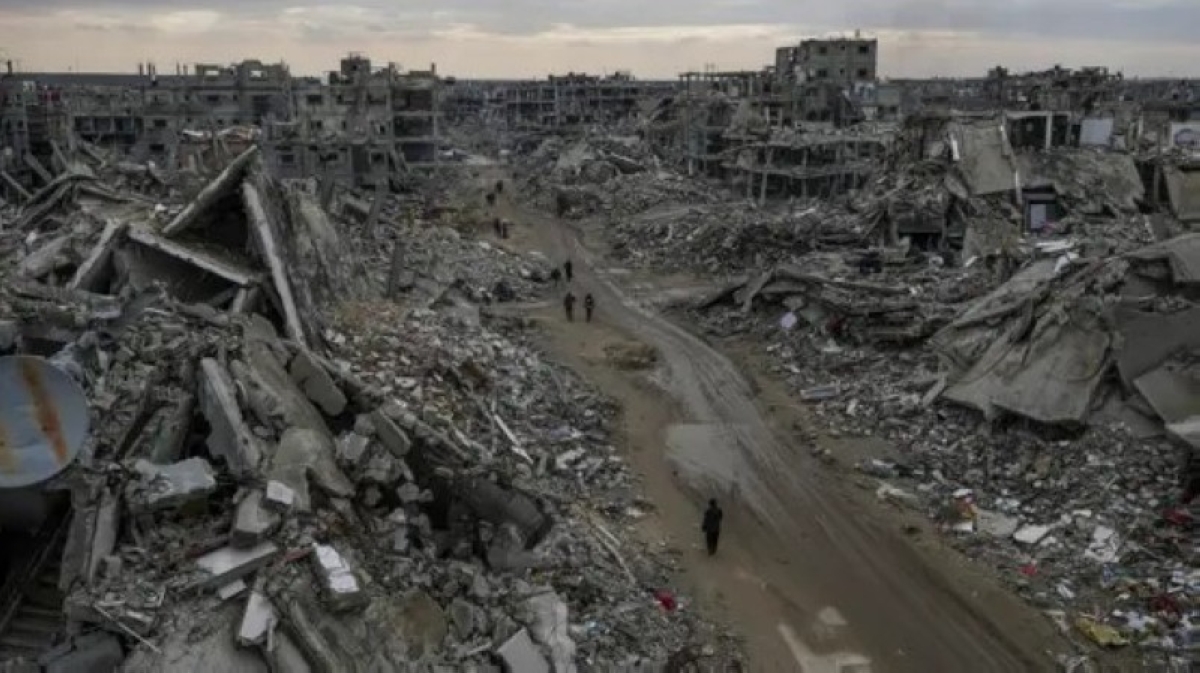
من شرم الشيخ، انطلق قطار الحل بعد توقيع اتفاقية السلام، معلناً بداية مرحلة تتطلب القدرة على ترجمة التعهدات السياسية إلى إجراءات فعلية على الأرض. ما وقّع يمثل محطة انطلاق، لكن المسار أمام كل الأطراف مليء بالتحديات، حيث كل خطوة تحتاج إلى قراءة دقيقة للمتغيرات المحلية والإقليمية والدولية.
والسؤال ليس ما إذا كانت الأطراف ملتزمة، بل كيف سيترجم الالتزام إلى أدوات فعالة تحمي الاستقرار وتمنع أي انزلاق محتمل؟
معالجة جذور النزاع
في اليوم التالي لتوقيع الاتفاقية، أبرز الإعلام الغربي مجموعة من الهواجس الجوهرية. فرأى مثلاً؛ أن الاتفاقية تمثل هدنة مؤقتة أكثر من كونها سلاماً شاملاً، وأن بعض البنود قد لا تعالج جذور النزاع، مع غياب التزام واضح بإنشاء دولة فلسطينية.
هذه الملاحظات، رغم كونها تقييمات خارجية، لكنها تسلط الضوء على غموض بعض النقاط، وتزيد الضغوط على الأطراف المعنية في مرحلة التنفيذ. واستدراك هذا الغموض باكراً قد يكون ضرورة إستراتيجية، حيث تتطلب المرحلة تقييم كل خطوة على الأرض ومواجهة أي تهديدات قد تعيق استمرار مسار السلام.
في ضوء هذه الهواجس، يبقى الرهان اليوم ليس فقط على نص الاتفاق، بل على ما يبديه الرعاة الدوليون والإقليميون من استعداد لتحمّل مسؤولية إيجاد آليات متابعة حقيقية. فهذا الاتفاق، وإن حمل طابعاً سياسياً، يفتح مساحة عمل أمام القوى الضامنة لإثبات أن السلام لا يُقاس بإعلانه، بل بقدرة الأطراف على تحويله إلى مسار قابل للاستمرار.آليات لضمان عدم التعطيل
وهنا تُطرح الأسئلة: ما الوسائل التي ستستخدمها الولايات المتحدة لضمان التنفيذ؟ كيف ستوازن بين الضغط والدعم والإشراف المباشر؟ وما الدور الذي ستلعبه مصر في المراقبة والمتابعة لضمان الالتزام بالاتفاق؟ وهل ستشارك دول، مثل تركيا وقطر، بفعالية في دعم تنفيذه، أم سيقتصر حضورها على الجانب الرمزي؟ وهل يكفي هذا الدعم الدولي والإقليمي للحفاظ على الاستقرار أمام التحديات الداخلية والإقليمية المتشابكة؟
بالعودة إلى مسار التنفيذ، لا يمكن أن نغفل المخاطر الأمنية والتاريخية المرتبطة بإسرائيل؛ فالقطاع يحمل ذاكرة متراكمة من التوترات والمواجهات السابقة، بما في ذلك الانقلاب والانفلات الأمني الذي يجعل أي خطوة على الأرض محكومة بالحذر واليقظة. هذه الخلفية التاريخية ليست مجرد سياق، بل هي عامل مؤثر مباشرة في تصميم سياسات الانسحاب، إعادة الإعمار، وإدارة القطاع. كل تحرك يجب أن يأخذ في الاعتبار احتمالات التوتر أو الرد الإسرائيلي على أي خطوة غير متوقعة، بما يعزز ضرورة وضع آليات وقائية واضحة وفعالة لضمان عدم التعطيل.إعادة رسم مستقبل المنطقة
في صميم مرحلة التنفيذ، يبرز سؤال محوري: من سيدير قطاع غزة بعد توقيع اتفاقية السلام؟ هل ستستعيد السلطة الفلسطينية السيطرة الكاملة، أم سيكون هناك تصور لإدارة دولية مؤقتة تضم خبراء وتقنيات دولية للإشراف على إعادة الإعمار وضبط الأمن؟ وما دور حركة حماس في هذا المشهد؟ هل ستظل خارج السلطة كلياً، أم سيكون لها تأثير مباشر ضمن آليات جديدة؟ هذه الأسئلة ليست مجرد تفاصيل تنظيمية، بل تعكس عمق التعقيدات السياسية والأمنية، وتبرز الحاجة إلى قرار واضح ومحدد حول الهيكل الإداري للقطاع.
قد يكون ما جرى في شرم الشيخ خطوة تُسجَّل في دفاتر الدبلوماسية، لكن ما لم يُحسم بعد هو ما إذا كان هذا الاتفاق بداية لمسار دولة أم محطة عابرة في دورة لا تنتهي من التفاهمات المؤقتة. فالتاريخ في هذه المنطقة لم يعرف سلاماً مستقراً، بل ترتيبات تختبر مع الزمن.
وفي الشرق الأوسط، كل اتفاق يحتاج إلى من يحرسه لا من يحتفل به، والسؤال الأخير: هل يمكن أن تُسجل هذه الاتفاقية كصفحة أولى في محاولة جدية لإعادة رسم مستقبل المنطقة، لا على الورق، بل على أرض تبحث منذ عقود عن استقرار قابل للحياة.
From Sharm El Sheikh, the train of solution set off after the signing of the peace agreement, announcing the beginning of a phase that requires the ability to translate political commitments into actual actions on the ground. What was signed represents a starting point, but the path ahead for all parties is filled with challenges, as every step requires a careful reading of local, regional, and international variables.
The question is not whether the parties are committed, but how that commitment will be translated into effective tools that protect stability and prevent any potential slippage?
Addressing the Roots of the Conflict
On the day following the signing of the agreement, Western media highlighted a set of fundamental concerns. For instance, it was seen that the agreement represents a temporary truce more than a comprehensive peace, and that some clauses may not address the roots of the conflict, with a lack of clear commitment to establishing a Palestinian state.
These observations, although they are external assessments, shed light on the ambiguity of some points and increase the pressure on the concerned parties during the implementation phase. Addressing this ambiguity early on may be a strategic necessity, as the phase requires evaluating every step on the ground and confronting any threats that may hinder the continuation of the peace process.
In light of these concerns, the bet today is not only on the text of the agreement but also on the readiness of international and regional sponsors to take responsibility for creating real follow-up mechanisms. This agreement, while having a political character, opens a space for the guaranteeing powers to prove that peace is not measured by its announcement, but by the ability of the parties to transform it into a sustainable path.Mechanisms to Ensure No Disruption
Here, questions arise: What means will the United States use to ensure implementation? How will it balance pressure, support, and direct oversight? What role will Egypt play in monitoring and following up to ensure compliance with the agreement? Will countries like Turkey and Qatar actively participate in supporting its implementation, or will their presence be limited to a symbolic role? Is this international and regional support sufficient to maintain stability in the face of intertwined internal and regional challenges?
Returning to the implementation path, we cannot overlook the security and historical risks associated with Israel; the sector carries a cumulative memory of past tensions and confrontations, including the coup and security breakdown that make any step on the ground governed by caution and vigilance. This historical background is not just context but a directly influencing factor in designing withdrawal, reconstruction, and sector management policies. Every move must take into account the possibilities of tension or Israeli response to any unexpected step, reinforcing the necessity of establishing clear and effective preventive mechanisms to ensure no disruption.Redrawing the Future of the Region
At the heart of the implementation phase, a central question arises: Who will manage the Gaza Strip after the signing of the peace agreement? Will the Palestinian Authority regain full control, or will there be a vision for a temporary international administration that includes experts and international techniques to oversee reconstruction and maintain security? What role will Hamas play in this scene? Will it remain completely outside the authority, or will it have a direct influence within new mechanisms? These questions are not merely organizational details; they reflect the depth of political and security complexities and highlight the need for a clear and specific decision regarding the administrative structure of the sector.
What happened in Sharm El Sheikh may be a step recorded in the annals of diplomacy, but what remains unresolved is whether this agreement marks the beginning of a state path or a transient station in an endless cycle of temporary understandings. History in this region has not known stable peace, but arrangements that are tested over time.
In the Middle East, every agreement needs someone to guard it, not to celebrate it, and the final question is: Can this agreement be recorded as the first page in a serious attempt to redraw the future of the region, not on paper, but on land that has been searching for decades for a viable stability?