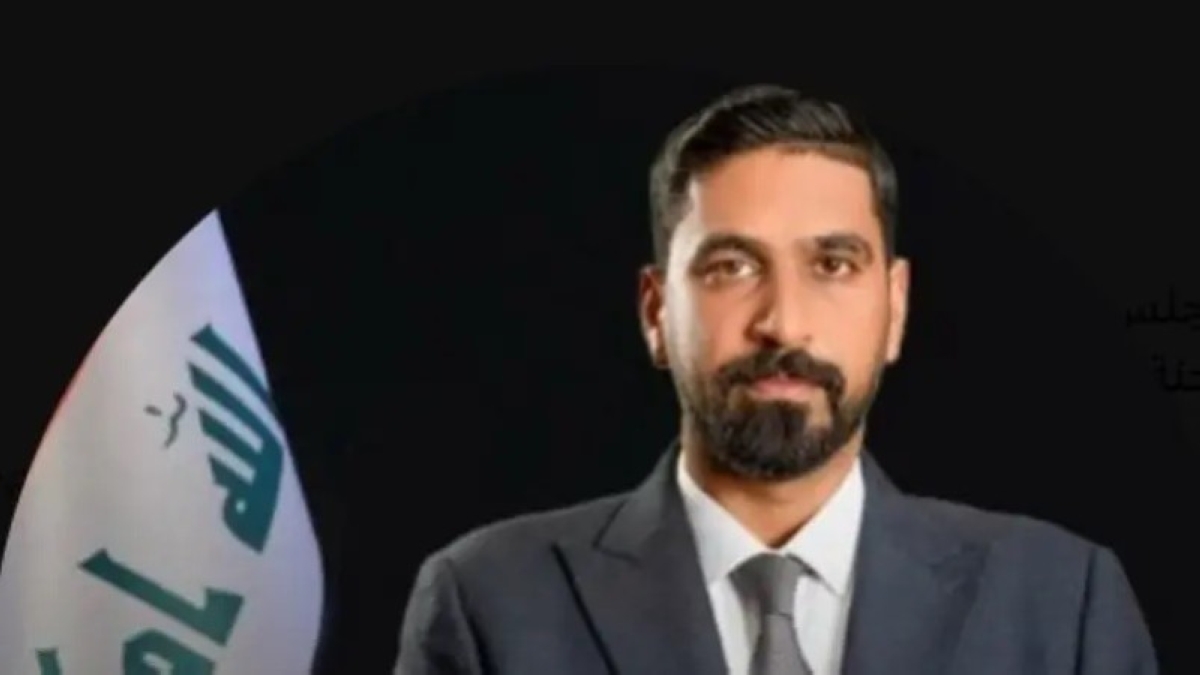
في ساعة متأخرة من الليلة الماضية، اغتيل عضو مجلس محافظة بغداد والمرشح عن تحالف السيادة للانتخابات النيابية صفاء حجازي المشهداني، مع اثنين من مرافقيه في انفجار عبوة ناسفة استهدفت مركبته، خلال توقفه لتناول العشاء في أحد المطاعم بمدينة الطارمية شمال العاصمة بغداد.
لم تكن الحادثة مجرد جريمة قتل عادية، بل رسالة سياسية دموية موجهة لتأكيد نفوذ قوى السلاح المنفلت في وجه المناهضين لها.
مواقف مناهضة للجماعات المسلحة
لذلك لم يكن اغتيال المشهداني المرشح عن «تحالف السيادة»، وهو ائتلاف سني رئيسي عُرف بمواقفه الصريحة المناهضة للجماعات المسلحة ودعوته لحصر السلاح بيد الدولة، «خيارا عشوائيا».
وعلى ما يبدو، فإن انتقادات المشهداني العلنية الأخيرة لملف تهجير أهالي جرف الصخر، وهي قضية حساسة تمثل نموذجاً لسيطرة فصائل مسلحة تسعى لتكراره في مناطق أخرى، منها الطارمية التي ينحدر منها. هذا الموقف وضعه في مسار تصادمي مباشر مع مشاريع الهيمنة والتغيير الديموغرافي التي تقودها تلك القوى.
تخضع منطقة الطارمية التي اغتيل فيها المشهداني لسيطرة تامة من قبل فصيل يتبع جماعة «حركة النجباء»، وسبق لهذا الفصيل أن رفض دخول أية قوة عسكرية إلى المنطقة الخاضعة له سواءً من قوات الجيش العراقي أو جهاز مكافحة الإرهاب.
نموذج «جرف الصخر»
وفي وقت سابق من هذا العام، أعلن جهاز مكافحة الإرهاب قيام «فصيل النجباء» بمنع قوة مشتركة من الجيش العراقي وجهاز مكافحة الإرهاب من استرداد طائرة مسيرة يتم استخدامها في الاستطلاع الجوي لمطاردة فلول تنظيم داعش في المنطقة.
وتشير بيانات متقاطعة إلى أن منطقة المنع في الطارمية تحتوي على مبان ومصالح يتم استخدامها لصالح اللواء 12 حشد شعبي ويرفضون السماح حتى للجيش العراقي من الاقتراب منها.
اختيار الطارمية، مكانا للاغتيال وهي ليست مجرد منطقة عادية، إذ إنها تربط بغداد بمحافظات صلاح الدين وديالى والأنبار، والسيطرة على هذا «الحزام الشمالي» لبغداد يمثل هدفا طويل الأمد للفصائل المسلحة، التي أعلنت صراحة نيتها تطبيق «نموذج جرف الصخر» هناك، بما يعنيه ذلك من تهجير وإحكام للسيطرة الأمنية خارج سلطة الدولة.
كان المشهداني، بمواقفه الشعبية والسياسية، عقبة أمام هذا المشروع، فكان لا بد من تصفيته، كما تحدث العديد من أقاربه على وسائل التواصل الاجتماعي.
الانتخابات.. أمام اختبار حاسم
ويأتي هذا الاغتيال في سياق من العنف السياسي الممنهج وثقافة الإفلات من العقاب، خصوصا بعد حملة اغتيال الناشطين التي تلت احتجاجات تشرين 2019، إلا أن استهداف مرشح ينتمي لكتلة برلمانية كبرى يمثل تصعيداً خطيراً، وينقل الصراع من الشارع إلى داخل أروقة السلطة.
هذه العملية تثبت أن بعض الجهات تشعر بأنها فوق القانون لدرجة أنها تستطيع تصفية منافسيها الانتخابيين دون خشية من العواقب.
إن اغتيال صفاء المشهداني، وهو الأول من نوعه الذي يستهدف مرشحاً في هذه الدورة الانتخابية، يلقي بظلال قاتمة على الانتخابات القادمة. إنه يبعث برسالة واضحة للمرشحين الآخرين، ويقوض ثقة المواطنين في قدرة الدولة على حمايتهم وتأمين عملية ديمقراطية حقيقية.
يقف العراق اليوم أمام اختبار حاسم، فإما أن تفرض الدولة سيادتها وتقدم الجناة الحقيقيين للعدالة، أو تترك الساحة لقانون القوة الذي يهدد بتمزيق ما تبقى من نسيجها السياسي والاجتماعي.
Late last night, Baghdad Provincial Council member and candidate from the Sovereignty Alliance for the parliamentary elections, Safaa Hijazi Al-Mashhadani, was assassinated along with two of his companions in a bomb explosion targeting his vehicle while he was stopped for dinner at a restaurant in the town of Tarmiya, north of the capital Baghdad.
This incident was not just an ordinary murder but a bloody political message aimed at asserting the influence of armed groups against their opponents.
Opposition to Armed Groups
Thus, the assassination of Al-Mashhadani, the candidate from the "Sovereignty Alliance," a major Sunni coalition known for its outspoken opposition to armed groups and its call to restrict arms to the state, was not a "random choice."
Apparently, Al-Mashhadani's recent public criticisms regarding the displacement of the residents of Jurf Al-Sakhar—a sensitive issue representing a model of control by armed factions seeking to replicate it in other areas, including Tarmiya, from which he hails—placed him on a direct collision course with the dominance and demographic change projects led by those forces.
The Tarmiya area, where Al-Mashhadani was assassinated, is under complete control by a faction affiliated with the "Nujaba Movement," which has previously refused to allow any military force into the area under its control, whether from the Iraqi army or the Counter-Terrorism Service.
The "Jurf Al-Sakhar" Model
Earlier this year, the Counter-Terrorism Service announced that the "Nujaba faction" had prevented a joint force from the Iraqi army and the Counter-Terrorism Service from recovering a drone being used for aerial reconnaissance to pursue remnants of ISIS in the area.
Cross-referenced data indicates that the area of prohibition in Tarmiya contains buildings and interests being used for the benefit of the 12th Brigade of the Popular Mobilization Forces, and they refuse to allow even the Iraqi army to approach it.
Choosing Tarmiya as the assassination site is significant, as it is not just an ordinary area; it connects Baghdad with the provinces of Salah al-Din, Diyala, and Anbar. Controlling this "northern belt" of Baghdad represents a long-term goal for armed factions, which have openly declared their intention to implement the "Jurf Al-Sakhar model" there, implying displacement and tightening security control outside the authority of the state.
Al-Mashhadani, with his popular and political stances, was an obstacle to this project, making his elimination necessary, as many of his relatives mentioned on social media.
Election... Facing a Crucial Test
This assassination occurs within a context of systematic political violence and a culture of impunity, especially following the assassination campaign against activists that followed the October 2019 protests. However, targeting a candidate belonging to a major parliamentary bloc represents a serious escalation, shifting the conflict from the streets to the corridors of power.
This operation proves that some entities feel they are above the law to the extent that they can eliminate their electoral competitors without fear of consequences.
The assassination of Safaa Al-Mashhadani, the first of its kind targeting a candidate in this electoral cycle, casts a dark shadow over the upcoming elections. It sends a clear message to other candidates and undermines citizens' trust in the state's ability to protect them and secure a genuine democratic process.
Iraq today stands before a crucial test: either the state imposes its sovereignty and brings the real perpetrators to justice, or it leaves the arena to the law of the jungle, which threatens to tear apart what remains of its political and social fabric.