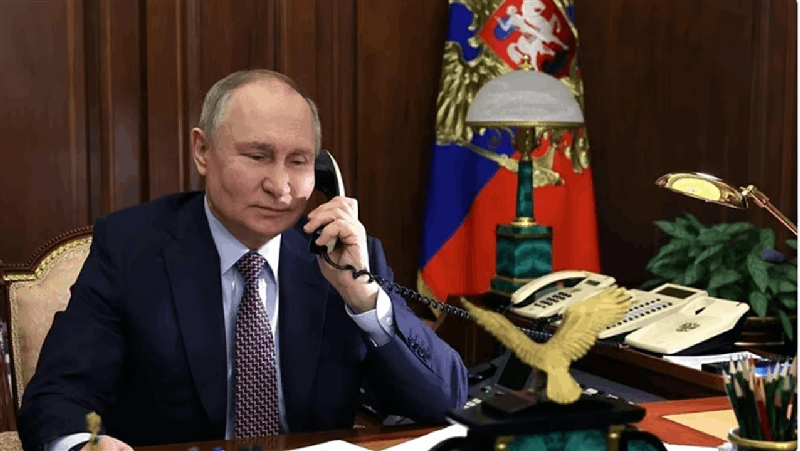
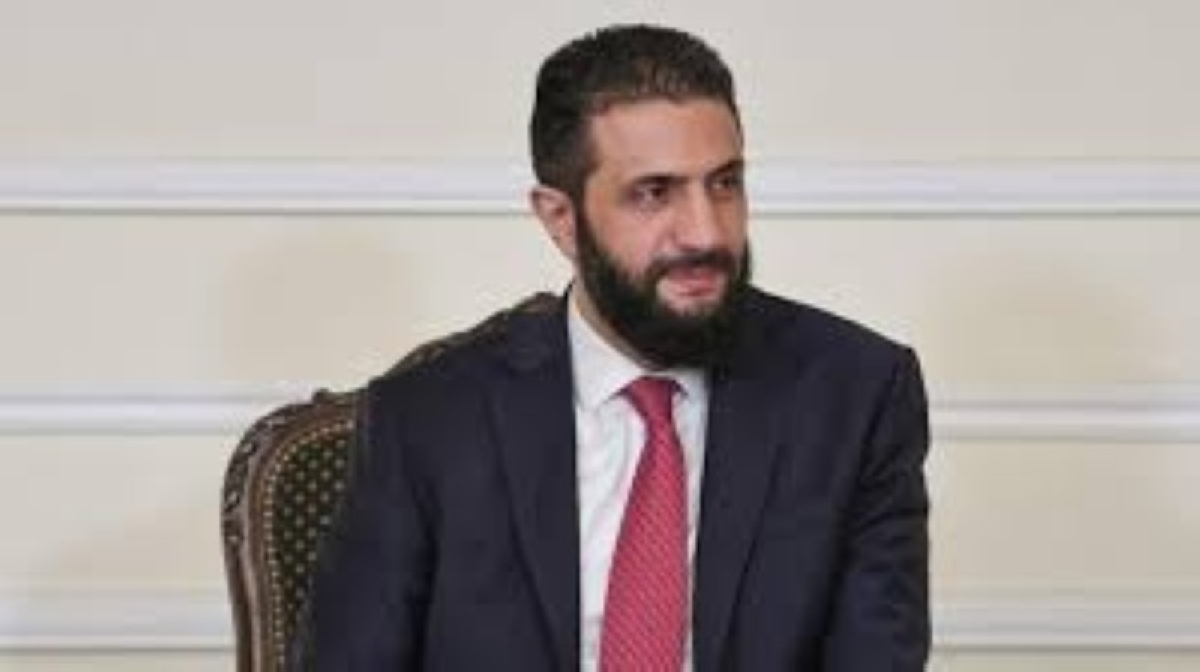
هذا هو لقاء التاريخ الدرامي بين الرئيس السوري أحمد الشرع ونظيره الروسي فلاديمير بوتين، بينما كانت الأبواب مفتوحة لاستقبال بشار الأسد قبل عام، ها هي اليوم ذات الأبواب تفتح أقفالها أمام الرئيس الشرع في مشهد سياسي يعكس معنى السياسة الحقيقية ومعنى التعامل مع الدول لا مع الأشخاص.
تكتسب زيارة الشرع الأولى التي تبدأ، اليوم(الأربعاء) إلى موسكو، طابعاً رمزياً وإستراتيجياً في آنٍ معاً، فرغم كل ما قيل عن انتقال سورية إلى المحور الغربي، بعد سقوط الأسد، إلا أن الإرث الإستراتيجي لسورية وموقعها السياسي، وحتى أزماتها، تجعل من خيار إغلاق أبواب «أوراسيا» غير واقعي.
إعادة تنظيم العلاقات الثنائية
وكالة الأنباء الرسمية السورية وصفت الزيارة بأنها تأتي في إطار إعادة تنظيم العلاقات الثنائية بين البلدين وبحث ملفات التعاون السياسي والاقتصادي؛ ما يعني أيضا تحولا في التفكير السياسي السوري وتجاوز الماضي الأليم بين روسيا ومن كانت تحت نيران الطيران الروسي قبل عام واحد فقط.
هذه الزيارة سبقها توطئة مسبقة باستقبال الشرع اتصالاً هاتفياً من نظيره الروسي في فبراير الماضي أكد بوتين خلاله دعم بلاده لوحدة الأراضي السورية وسيادتها واستقرارها، وأبدى استعداد روسيا لإعادة النظر في الاتفاقيات التي أبرمتها روسيا مع النظام البائد، ووجوب رفع العقوبات الاقتصادية عن سورية.
وبحسب ما تناولته الصحف الروسية والعربية، فإن زيارة الشرع تأتي في لحظة مفصلية من مسار إعادة تموضع سورية إقليمياً ودولياً بعد سقوط نظام الأسد، وتشير إلى رغبة دمشق وموسكو في إعادة تأسيس العلاقة بينهما على قواعد جديدة تراعي المتغيرات السياسية والعسكرية التي شهدتها السنوات الأخيرة، في وقت تسعى فيه روسيا إلى تثبيت مصالحها الإستراتيجية في سورية، خصوصاً في البحر المتوسط، بما يتجاوز علاقتها بالنظام السابق.
مستقبل القواعد الروسية
تتمحور أجندة الزيارة حول عدد من الملفات، في مقدمتها مستقبل القواعد الروسية في طرطوس وحميميم، إذ يسعى الشرع إلى التوصل إلى تفاهمات جديدة تضمن المصالح الأمنية لموسكو وفي الوقت نفسه تمنح حكومته هامشاً أكبر في إعادة بناء القرار السيادي السوري. وتشير مصادر سياسية إلى أن الرئيس الشرع يعتزم طرح ملف تسليم بشار الأسد إلى السلطات السورية لمحاكمته، وهو مطلب يضع موسكو أمام معادلة حساسة بين الحفاظ على تحالفها التاريخي مع النظام السابق، وبين الانخراط في شرعنة المرحلة الجديدة في سورية. وتتطرق المباحثات إلى مشاريع إعادة الإعمار والاستثمار الروسي في قطاعات البنية التحتية والطاقة والنقل، إضافة إلى القضايا الإقليمية التي تشهد تشابكاً في المصالح بين موسكو ودمشق، وعلى رأسها الوضع في غزة، والأزمة اللبنانية، ومستقبل التوازنات الإقليمية في شرق المتوسط.
مصالح إستراتيجية طويلة الأمد
ووفق أجندة الزيارة من الجانب الروسي، يتضح أن موسكو تسعى إلى توجيه رسالة مفادها بأن علاقتها بسورية ليست مرتبطة بشخص بشار الأسد، بل بمصالح إستراتيجية طويلة الأمد، إذ لفتت وكالة «تاس» إلى أن الزيارة تأتي في إطار «إعادة هيكلة العلاقات» بين البلدين، فيما تحدثت صحف روسية مقربة من الكرملين عن «مرحلة براغماتية جديدة» في السياسة الروسية تجاه سورية، تتيح لموسكو تثبيت وجودها العسكري والاقتصادي دون أن تتحمل كلفة سياسية للدفاع عن إرث النظام السابق.
وقد تفضي الزيارة إلى تجديد أو تعديل بعض العقود الاستثمارية الروسية في سورية، وإلى تفاهمات جديدة حول مستقبل القواعد العسكرية، مع احتمال فتح قنوات قانونية تتعلق بملف الأسد من دون اتخاذ خطوات فورية حاسمة.
في المحصلة، تندرج هذه الزيارة في سياسة «الانفتاح المتعدد» التي ينتهجها الشرع، إذ يسعى إلى عدم الانكفاء على محور واحد، إنما الحفاظ على علاقات موازية مع روسيا من جهة، ومع الدول العربية والغربية من جهة أخرى، في إطار إستراتيجية أوسع تهدف إلى إعادة دمج سورية في محيطها الدولي على أسس جديدة.
مكاسب لحكومة الشرع
قدر سورية الجيوسياسي «الجديد» بعد سقوط الأسد ألا تبقى أسيرة محور دولي ذلك أن موقع سورية يفرض التشاركية السياسية على المستوى الإقليمي والدولي، وبالتالي تأتي زيارة الشرع إلى موسكو ولقاء سيد الكرملين انطلاقا من المعطيات الجيوسياسية لسورية؛ وبكل تأكيد لا غنى عن سورية بالنسبة لروسيا والعكس صحيح؛ لكن الأكثر صحة بناء هذه العلاقة على أساس مفهوم الدولة لا الشخوص، ذلك أن روسيا وعلى الرغم من دعمها للأسد على مدار ١٤ عاما لم تفلح في الحفاظ عليه على حساب مصالح الشعب السوري.. وهو ما يعطي الزيارة أهمية كبيرة، ذلك أن مفاتيح أوراسيا كاملة بيد روسيا، الأمر الذي يجني مكاسب إستراتيجية لحكومة الشرع على المدى الإستراتيجي.
This is the dramatic historical meeting between Syrian President Ahmad al-Shara and his Russian counterpart Vladimir Putin. While the doors were open to welcome Bashar al-Assad a year ago, today those same doors are unlocking for President al-Shara in a political scene that reflects the true meaning of politics and the nature of dealing with countries rather than individuals.
Al-Shara's first visit, which begins today (Wednesday) to Moscow, takes on both a symbolic and strategic character. Despite all that has been said about Syria shifting to the Western axis after Assad's fall, the strategic legacy of Syria, its political position, and even its crises make the option of closing the doors of "Eurasia" unrealistic.
Reorganizing Bilateral Relations
The official Syrian news agency described the visit as part of the reorganization of bilateral relations between the two countries and the discussion of political and economic cooperation files; this also indicates a shift in Syrian political thinking and a move beyond the painful past between Russia and those who were under the fire of Russian aircraft just a year ago.
This visit was preceded by a preliminary reception where al-Shara received a phone call from his Russian counterpart last February, during which Putin confirmed his country's support for the unity, sovereignty, and stability of Syrian territories, and expressed Russia's readiness to reconsider the agreements made with the fallen regime, as well as the necessity of lifting economic sanctions on Syria.
According to what was reported by Russian and Arab newspapers, al-Shara's visit comes at a pivotal moment in the process of Syria's regional and international repositioning after the fall of the Assad regime, indicating the desire of Damascus and Moscow to re-establish their relationship on new foundations that take into account the political and military changes of recent years, at a time when Russia is seeking to solidify its strategic interests in Syria, especially in the Mediterranean, beyond its relationship with the previous regime.
The Future of Russian Bases
The agenda of the visit revolves around several files, foremost among them the future of Russian bases in Tartus and Hmeimim. Al-Shara seeks to reach new understandings that guarantee Moscow's security interests while simultaneously granting his government greater leeway in rebuilding Syrian sovereign decision-making. Political sources indicate that President al-Shara intends to raise the issue of handing over Bashar al-Assad to the Syrian authorities for trial, a demand that places Moscow in a sensitive equation between maintaining its historical alliance with the previous regime and engaging in legitimizing the new phase in Syria. The discussions will also address reconstruction projects and Russian investments in infrastructure, energy, and transport sectors, in addition to regional issues that involve overlapping interests between Moscow and Damascus, particularly the situation in Gaza, the Lebanese crisis, and the future of regional balances in the Eastern Mediterranean.
Long-term Strategic Interests
According to the agenda of the visit from the Russian side, it is clear that Moscow seeks to send a message that its relationship with Syria is not tied to the person of Bashar al-Assad, but rather to long-term strategic interests. The TASS agency noted that the visit comes within the framework of "restructuring relations" between the two countries, while Russian newspapers close to the Kremlin spoke of a "new pragmatic phase" in Russian policy towards Syria, allowing Moscow to solidify its military and economic presence without incurring a political cost to defend the legacy of the previous regime.
The visit may lead to the renewal or modification of some Russian investment contracts in Syria and to new understandings regarding the future of military bases, with the possibility of opening legal channels related to the Assad file without taking immediate decisive steps.
In conclusion, this visit falls within the policy of "multiple openness" that al-Shara is pursuing, as he seeks not to retreat to a single axis, but rather to maintain parallel relations with Russia on one hand and with Arab and Western countries on the other, within a broader strategy aimed at reintegrating Syria into its international surroundings on new foundations.
Gains for al-Shara's Government
The "new" geopolitical fate of Syria after the fall of Assad is that it cannot remain captive to an international axis, as Syria's location imposes political participation at the regional and international levels. Thus, al-Shara's visit to Moscow and his meeting with the master of the Kremlin stem from Syria's geopolitical realities; and certainly, Syria is indispensable for Russia, and vice versa. However, it is more accurate to build this relationship on the basis of the concept of state rather than individuals, as Russia, despite its support for Assad for 14 years, has failed to maintain him at the expense of the interests of the Syrian people. This gives the visit great significance, as the keys to Eurasia are entirely in Russia's hands, which brings strategic gains for al-Shara's government in the long term.