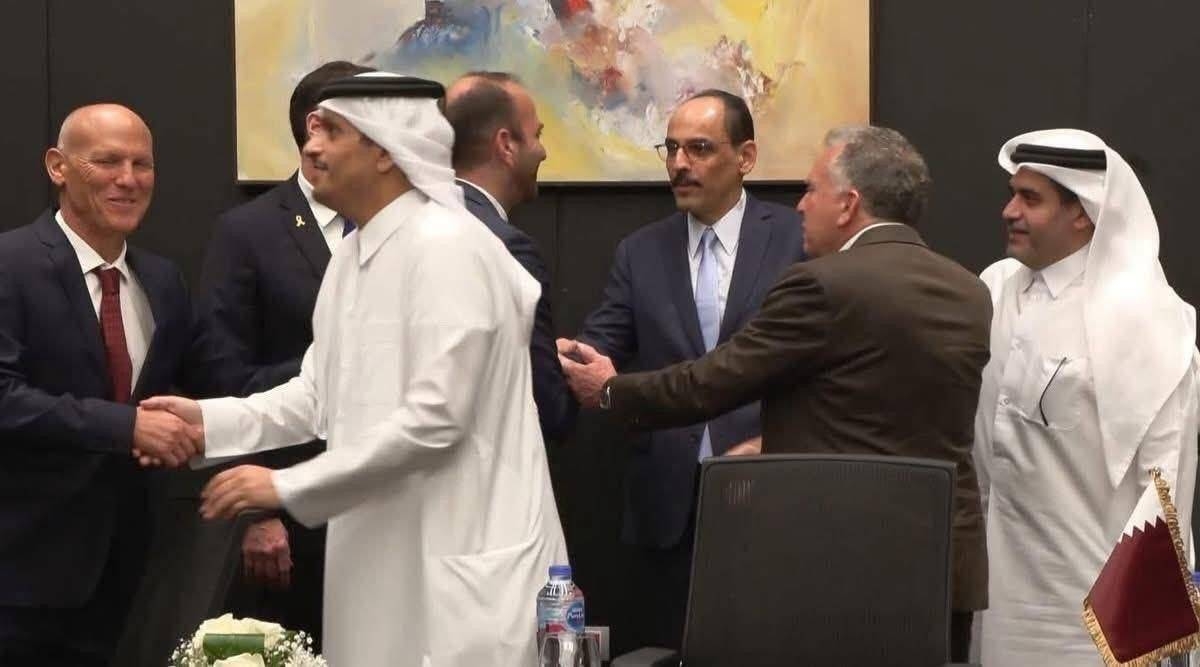
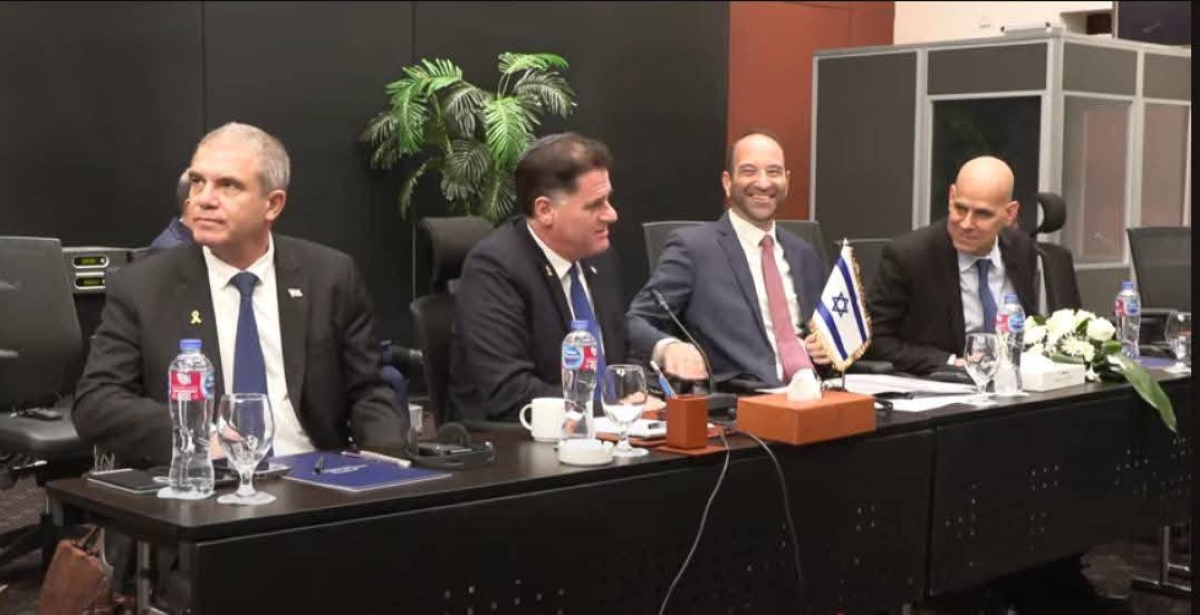
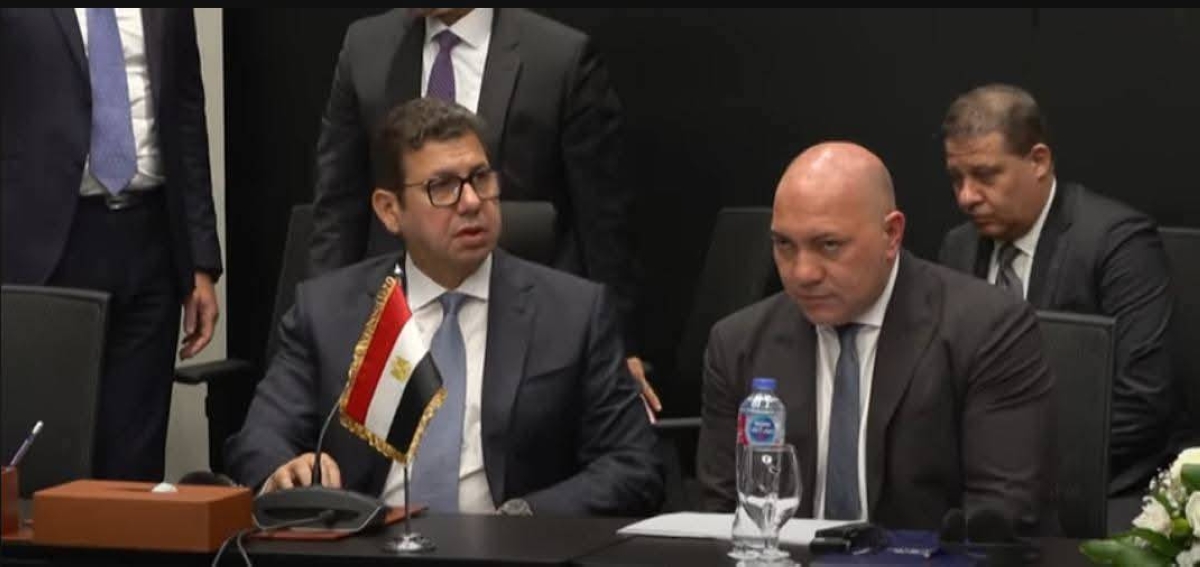
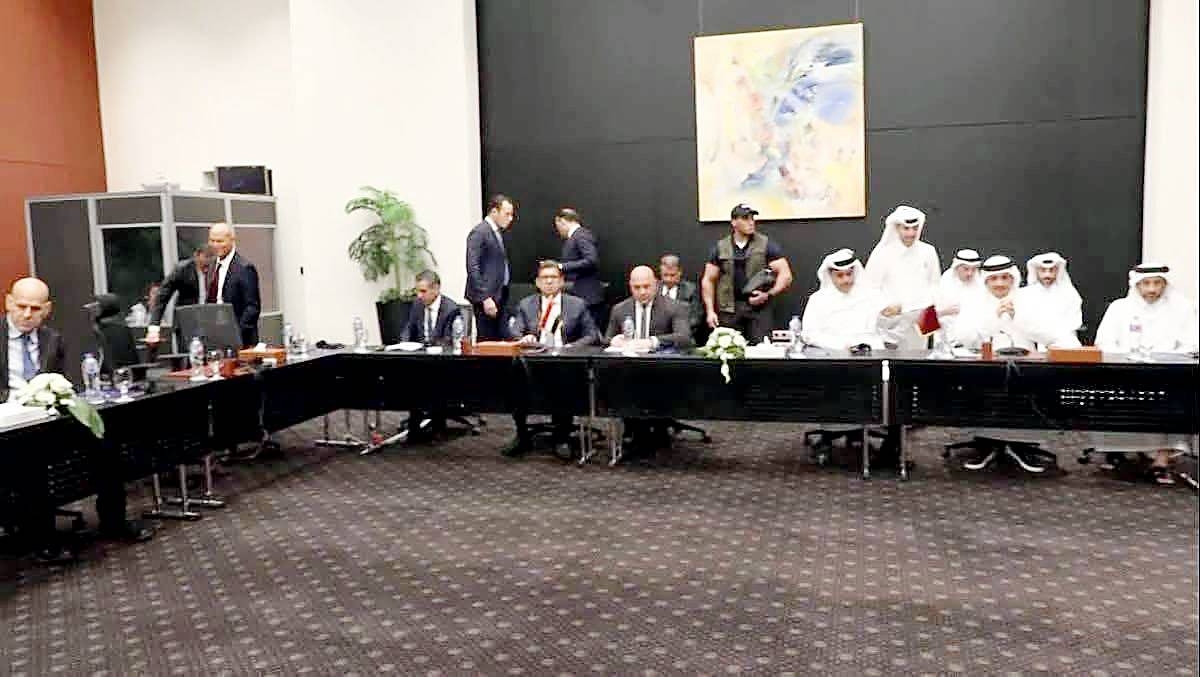
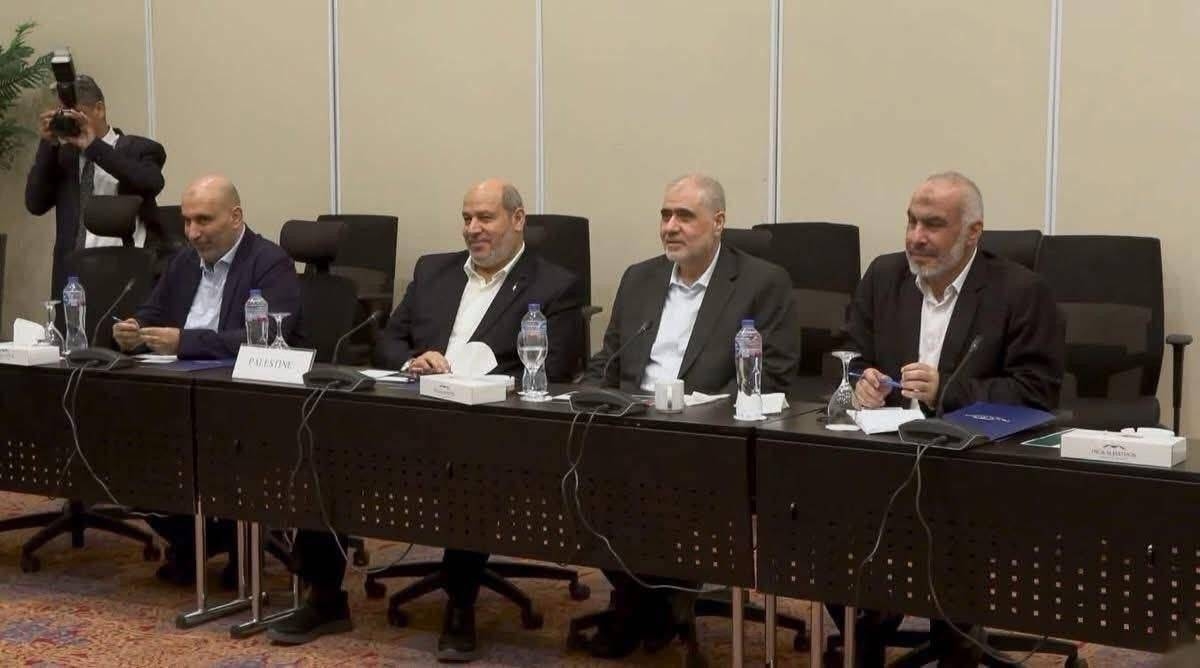
تدخل المنطقة اليوم مرحلة جديدة من الترقب، بعدما أُعلن أخيراً عن توقيع المرحلة الأولى من خطة السلام بين حركة حماس وإسرائيل برعاية مصرية وغطاء أمريكي، والذي أنهى أسابيع من مفاوضات شاقة على الخطوط الساخنة الممتدة بين غزة وتل أبيب وواشنطن.
لم يكن الإعلان عن توقيع المرحلة الأولى من الاتفاق مفاجئاً في جوهره، إذ إن المسار الذي بدأ بتسريبات عن خطة ترمب للسلام كان يتجه تدريجاً نحو صيغة واقعية، تقوم على التهدئة المرحلية لا التسوية النهائية، لكن ما فاجأ المراقبين كان سرعة التوصل إلى تلك الصيغة، بعدما بدت المفاوضات حتى أيام قليلة مضت غارقة في الشكوك.
تفاصيل المرحلة الأولى
المرحلة الأولى من الاتفاق، وإن بدت تقنية في ظاهرها — تتعلق بوقف إطلاق النار، وتبادل للأسرى، وتسهيل مرور المساعدات — فإنها في جوهرها اختبار للنية قبل أن تكون اختباراً للنتيجة. حماس تدرك أن الطريق إلى أي حل سياسي يمر عبر امتحان التنفيذ، وأن الضمانات التي طالبت بها خلال جولات التفاوض السابقة أصبحت اليوم معياراً للثقة لا مجرد مطلب تفاوضي. أما إسرائيل، فترى في هذه المرحلة فرصة لقياس مدى قدرة الدول الراعية للاتفاق على ضبط الميدان، وقياس حدود التزام الحركة الفلسطينية بالتهدئة. وهكذا، يتحول الاتفاق إلى مرآة تعكس حجم ما تبقى من الثقة بين الأطراف، لا ما اتُّفق عليه على الورق.
الدور المصري - الأمريكي
تدرك القاهرة، التي حملت عبء الوساطة منذ اللحظة الأولى، أن ما تحقق ليس إنجازاً نهائياً بل هدنة قابلة للاهتزاز، وأن أي خلل في التنفيذ سيعيد المنطقة إلى نقطة الصفر، لذلك تبدو حذرة في طريقة إدارتها للمرحلة القادمة، فهي لا تريد أن تظهر كضامن لاتفاق هشّ، ولا أن تُحسب على طرف ضد آخر، تحاول أن توازن بين إصرار واشنطن على إظهار «نتيجة ملموسة» في المدى القريب، وبين قلق حماس من أن تتحوّل المرحلة الأولى إلى فخ سياسي طويل الأمد. ومن هنا تتعامل مصر مع الاتفاق باعتباره عملية مستمرة لا لحظة إنجاز، فكل يوم يمر من دون خرق هو خطوة إضافية في تثبيت الدور المصري كضامن ووسيط موثوق.
الولايات المتحدة من جهتها تسعى إلى ترجمة الاتفاق كنجاح دبلوماسي يعيد لها زمام المبادرة في الإقليم، رغم أنها تدرك أن ما تحقق هش بطبيعته، وأن أي إخفاق في تطبيق البنود سيقوّض قدرتها على فرض «خطة السلام»، لذلك، تمارس واشنطن ضغطاً مزدوجاً: على تل أبيب للالتزام بالضوابط الميدانية، وعلى القاهرة لتسريع وتيرة التنفيذ، في محاولة لتفادي أي فراغ سياسي. غير أن هذا الضغط لا يترجم بالضرورة إلى ضمانات، لأن الضمان في هذه الحالة لا يُمنح بالتصريحات، بل يبنى على الميدان، حيث لكل طرف حساباته ومخاوفه.
في المقابل، تتعامل حماس مع الاتفاق كمرحلة اختبار لا كخاتمة للمواجهة، فبالنسبة إليها، المرحلة الأولى ليست مكسباً بقدر ما هي مساحة لإعادة ترتيب الداخل واستعادة المبادرة السياسية. لذلك وضعت الحركة سقفاً واضحاً: لا تنفيذ لأي بند جديد قبل التأكد من التزام الطرف الآخر بما وُقع عليه، هذا الموقف يعكس تحولاً في مقاربة حماس التي باتت تنظر إلى الزمن كأداة تفاوضية، لا كعامل ضغط.
مخاوف إسرائيليةعلى الخط الآخر، تنظر إسرائيل إلى المرحلة الأولى من زاوية أمنية صِرفة، تريد أن تتأكد من أن الهدوء في الجنوب ليس استراحة محارب بل بداية لاستقرار يمكن البناء عليه، لكنها في الوقت ذاته تستخدم الاتفاق كوسيلة لقياس مدى صلابة شبكة الوساطات الإقليمية، ومدى التزام واشنطن بالتحرك في الأوقات الحرجة، لذلك تبدو إسرائيل اليوم أقل اندفاعاً نحو التصعيد وأكثر انشغالاً بقراءة الميدان من منظور السيطرة لا الردع، وهي تدرك أن أي خلل في التطبيق لن يكون مجرد خرق أمني، بل إخفاق سياسي للمنظومة التي دفعت نحو الاتفاق.
وفي الأثناء، يقف الإقليم كله على خطوط المراقبة الدقيقة، الدوحة تتحرك بحذر لتثبيت التهدئة وتفادي ازدواجية الأدوار مع القاهرة، أما الرياض وأنقرة، فتعتمدان مقاربة براغماتية هادئة: دعم المسار السياسي الذي يمنع انفجاراً جديداً، مع إبقاء قنوات التواصل مفتوحة مع واشنطن، لأن الاستقرار النسبي في غزة يعني تهدئة على مستوى الإقليم برمته، وهكذا، يتعامل الجميع مع الاتفاق بوصفه هدنة قابلة للاختبار، لا تسوية قابلة للبقاء.
اختبار الثقة
في خلفية هذا المشهد، تظل «الثقة» هي الكلمة الأكثر تداولاً في الغرف المغلقة، وحتى الآن، لا تزال الأطراف تتصرف على قاعدة الحذر المتبادل، كمن يمد يده إلى السلام بعين مفتوحة على الخطر. ومن هنا فإن نجاح المرحلة الأولى لن يُقاس فقط بوقف النار أو مرور الشاحنات، بل بمدى قدرة كل طرف على الالتزام بما وعد به، وبمدى استعداد الضامنين لتحويل الوعود إلى التزامات موثقة، فالتجارب السابقة علمت الجميع أن الاتفاقات التي تفتقر إلى الضمانات الصلبة سرعان ما تتبخر عند أول اختبار ميداني.
ما بين ضغط واشنطن وحذر حماس وتوازن القاهرة، تمضي التسوية الوليدة على خيط رفيع من الواقعية السياسية. ليس في المشهد ما يوحي بسلام قريب، لكن فيه ما يكفي من إشارات لإعادة فتح الباب أمام منطق «الإدارة لا الانفجار». فالاتفاق المرحلي ليس نهاية التفاوض، بل بدايته الحقيقية، والاتفاق الأولي ليس سوى استراحة تعيد للأطراف فرصة لالتقاط الأنفاس قبل الدخول في مفاوضات أكثر تعقيداً.
وفي النهاية، يبقى العنوان واحداً: الضمان أولاً، التنفيذ ثانياً، لأن كل اتفاق في غزة لا يقاس بما كتب فيه، بل بما صمد منه في وجه الواقع.
The region enters a new phase of anticipation today, following the recent announcement of the signing of the first phase of the peace plan between Hamas and Israel, under Egyptian sponsorship and American cover, which ended weeks of arduous negotiations along the hotlines extending between Gaza, Tel Aviv, and Washington.
The announcement of the signing of the first phase of the agreement was not surprising in essence, as the path that began with leaks about Trump's peace plan was gradually moving towards a realistic formula based on a phased calm rather than a final settlement. However, what surprised observers was the speed of reaching that formula, after negotiations appeared to be mired in doubts just a few days ago.
Details of the First Phase
The first phase of the agreement, while seemingly technical in nature—related to a ceasefire, prisoner exchange, and facilitating the passage of aid—is fundamentally a test of intent before it is a test of outcome. Hamas understands that the path to any political solution passes through the examination of implementation, and that the guarantees it demanded during previous rounds of negotiations have today become a standard of trust rather than just a negotiating demand. As for Israel, it sees this phase as an opportunity to measure the ability of the sponsoring countries to control the field and to gauge the extent of the Palestinian movement's commitment to the calm. Thus, the agreement becomes a mirror reflecting the extent of what remains of trust between the parties, rather than what has been agreed upon on paper.
The Egyptian-American Role
Cairo, which has shouldered the burden of mediation from the very first moment, understands that what has been achieved is not a final accomplishment but a ceasefire that is susceptible to disruption, and that any failure in implementation will return the region to square one. Therefore, it appears cautious in how it manages the upcoming phase; it does not want to appear as a guarantor of a fragile agreement, nor to be counted on one side against another. It tries to balance between Washington's insistence on showing a "tangible result" in the near term and Hamas's concern that the first phase could turn into a long-term political trap. From here, Egypt treats the agreement as a continuous process rather than a moment of achievement; every day that passes without a breach is an additional step in solidifying Egypt's role as a reliable guarantor and mediator.
The United States, for its part, seeks to translate the agreement as a diplomatic success that restores its initiative in the region, even though it recognizes that what has been achieved is inherently fragile and that any failure to implement the terms will undermine its ability to impose the "peace plan." Therefore, Washington exerts dual pressure: on Tel Aviv to adhere to the field controls, and on Cairo to expedite the pace of implementation, in an attempt to avoid any political vacuum. However, this pressure does not necessarily translate into guarantees, as guarantees in this case are not given through statements but are built on the ground, where each party has its own calculations and fears.
In contrast, Hamas views the agreement as a testing phase rather than an end to the confrontation. For it, the first phase is not a gain as much as it is a space to rearrange the internal situation and regain the political initiative. Therefore, the movement has set a clear ceiling: no implementation of any new clause before ensuring the other party's commitment to what has been signed. This position reflects a shift in Hamas's approach, which now sees time as a negotiating tool rather than a pressure factor.
Israeli Concerns On the other hand, Israel views the first phase from a purely security perspective, wanting to ensure that the calm in the south is not a warrior's respite but the beginning of stability upon which it can build. At the same time, it uses the agreement as a means to measure the robustness of the regional mediation networks and the extent of Washington's commitment to act in critical times. Therefore, Israel today appears less inclined towards escalation and more preoccupied with reading the field from a perspective of control rather than deterrence, understanding that any failure in implementation will not merely be a security breach but a political failure for the system that pushed for the agreement.
Meanwhile, the entire region stands on precise monitoring lines. Doha is moving cautiously to stabilize the calm and avoid duplicity of roles with Cairo, while Riyadh and Ankara adopt a calm pragmatic approach: supporting the political path that prevents a new explosion while keeping communication channels open with Washington, as relative stability in Gaza means calm at the regional level as a whole. Thus, everyone treats the agreement as a ceasefire subject to testing, not a settlement capable of lasting.
Trust Test
In the backdrop of this scene, "trust" remains the most frequently discussed word in closed rooms, and so far, the parties continue to act on the basis of mutual caution, as if extending a hand for peace while keeping an eye open for danger. Hence, the success of the first phase will not be measured solely by the cessation of fire or the passage of trucks, but by the extent to which each party can adhere to what it promised and by the willingness of the guarantors to transform promises into documented commitments. Previous experiences have taught everyone that agreements lacking solid guarantees quickly evaporate at the first field test.
Between Washington's pressure, Hamas's caution, and Cairo's balance, the nascent settlement moves along a thin line of political realism. There is nothing in the scene to suggest a near peace, but there are enough signals to reopen the door to the logic of "management rather than explosion." The phased agreement is not the end of negotiations but its true beginning, and the initial agreement is merely a pause that gives the parties a chance to catch their breath before entering into more complex negotiations.
In the end, the title remains the same: guarantees first, implementation second, because every agreement in Gaza is measured not by what is written in it, but by what withstands the reality.