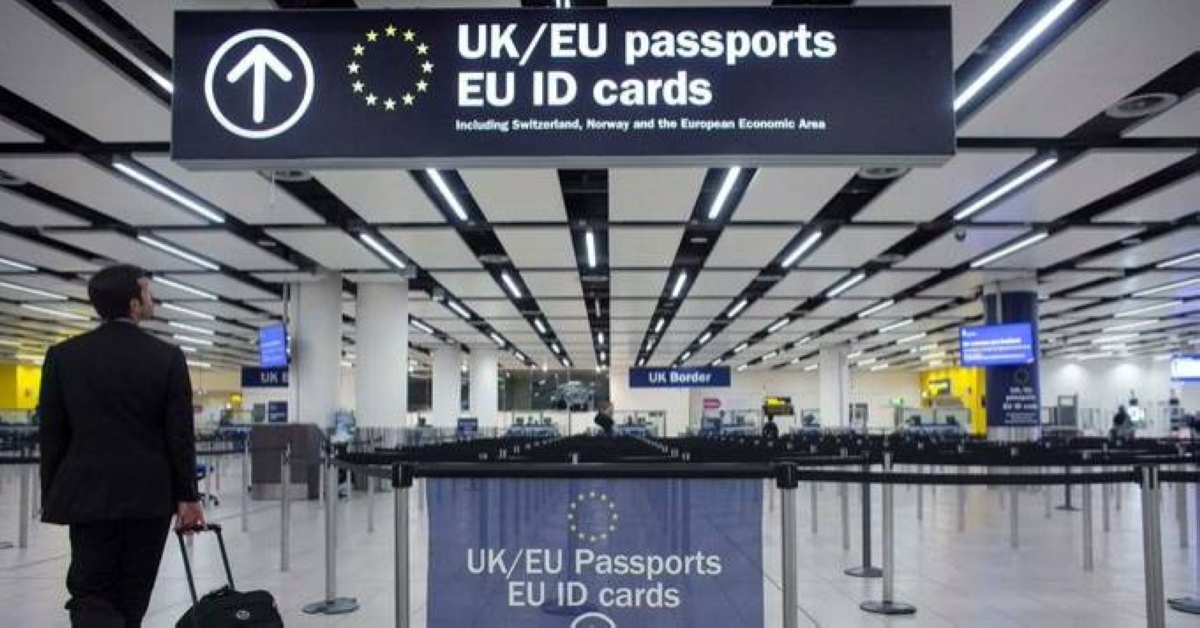
أعلن الاتحاد الأوروبي تفعيل نظام الدخول والخروج يوم الأحد القادم، في تطور يُعيد إحياء آثار «بريكست» على ملاك المنازل الثانية البريطانيين في أوروبا، ما يهدد آلاف البريطانيين الذين يملكون منازل عطلة في دول الاتحاد بفرض غرامات، وطردهم، أو حظرهم من العودة لسنوات إذا تجاوزوا الحد الأقصى للإقامة.
الخضوع لفحوصات حدودية جديدة
ويقتصر البريطانيون، كمواطنين خارج الاتحاد بعد «بريكست»، على 90 يوماً كحد أقصى في أي فترة 180 يوماً، ويشمل ذلك مالكي المنازل الثانية الذين يقضون أوقاتاً طويلة في بلدان مثل فرنسا وإسبانيا وإيطاليا.
وسيتعين على المسافرين البريطانيين الخضوع لفحوصات حدودية جديدة تشمل مسح بصمات الأصابع وأسئلة حول تذاكر العودة والتأمين الصحي والأموال الكافية، ما قد يؤدي إلى طوابير طويلة في المطارات وتعطيل السفر.
ويأتي تفعيل نظام الدخول والخروج، كجزء من إجراءات حدودية أوروبية لتعزيز الأمن ومكافحة الهجرة غير الشرعية، لكنه يضع آلاف البريطانيين في موقف حرج، إذ يُقدر عدد مالكي المنازل الثانية في أوروبا بأكثر من نصف مليون، مع تركيز في فرنسا (نحو 86 ألف بريطاني) وإسبانيا.
البريطانيون غير مؤهلين للإقامة الدائمة
وأصبح البريطانيون أصحاب تلك المنازل غير مؤهلين للإقامة الدائمة ما لم يحصلوا على تأشيرات طويلة الأمد أو يثبتوا الإقامة قبل 2021 بموجب اتفاق الانسحاب، ما دفع بعضهم إلى بيع ممتلكاتهم أو تقليل زياراتهم.
وفي فرنسا، حيث يُحب اليساريون الفرنسيون مالكي المنازل الثانية اقتصادياً، رفضت محكمة إلغاء قاعدة 90 يوماً، رغم اقتراحات لتسهيلات مؤقتة مثل تأشيرات ستة أشهر مرة واحدة سنوياً، أما في إسبانيا، فإن الحكومة اليسارية تهدد برفع الضرائب بنسبة 100% على مشتري المنازل غير المقيمين خارج الاتحاد، ما يُعقد الأمر أكثر.
وأدى «بريكست» الذي أنهى حرية الحركة للبريطانيين في الاتحاد الأوروبي منذ 2021، إلى تعقيدات بيروقراطية للمغتربين، بما في ذلك فقدان الحق في الإقامة غير المحدودة، وفرض قاعدة 90/180 يوماً للزيارات القصيرة.
ويُعاني مالكو اليخوت والكارافانات والطلاب أيضاً، مع مخاوف من تأثير نظام الدخول والخروج على الاقتصاد المحلي في المناطق السياحية البريطانية الشائعة مثل جزر اليونان أو كوستا ديل سول في إسبانيا، حيث يُساهمون في الاقتصاد المحلي.
وأعربت الحكومة البريطانية عن عدم نجاح مفاوضات تمديد الـ90 يوماً، معتبرة أنها ليست جزءاً من اتفاقيات ما بعد «بريكست»، ما أثار غضب المغتربين الذين يطالبون بتعديلات للحفاظ على ممتلكاتهم دون بيعها، في المقابل، تُفرض قيود مشابهة في بريطانيا على المواطنين الأوروبيين، مع زيادة الضرائب على المنازل الثانية لمواجهة أزمة السكن، لكن الاتجاه الأوروبي يُرى كـ«انتقام» جزئي من «بريكست».
The European Union announced the activation of the entry and exit system next Sunday, in a development that revives the effects of "Brexit" on British second homeowners in Europe, threatening thousands of Britons who own holiday homes in EU countries with fines, expulsion, or bans on returning for years if they exceed the maximum stay limit.
Subject to New Border Checks
As citizens outside the EU after "Brexit," Britons are limited to a maximum of 90 days within any 180-day period, which includes second homeowners who spend long periods in countries like France, Spain, and Italy.
British travelers will have to undergo new border checks that include fingerprint scans and questions about return tickets, health insurance, and sufficient funds, which may lead to long queues at airports and travel disruptions.
The activation of the entry and exit system is part of European border measures to enhance security and combat illegal immigration, but it puts thousands of Britons in a difficult position, as the number of second homeowners in Europe is estimated to be over half a million, with a concentration in France (about 86,000 Britons) and Spain.
Britons Not Eligible for Permanent Residency
Britons owning those homes have become ineligible for permanent residency unless they obtain long-term visas or prove residency before 2021 under the withdrawal agreement, prompting some to sell their properties or reduce their visits.
In France, where French leftists economically favor second homeowners, a court rejected the cancellation of the 90-day rule, despite proposals for temporary easing such as six-month visas issued once a year. In Spain, the leftist government threatens to raise taxes by 100% on non-resident home buyers outside the EU, complicating matters further.
"Brexit," which ended the freedom of movement for Britons in the EU since 2021, has led to bureaucratic complications for expatriates, including the loss of the right to unlimited residency and the imposition of the 90/180-day rule for short visits.
Yacht owners, caravan owners, and students are also suffering, with concerns about the impact of the entry and exit system on the local economy in popular British tourist areas like the Greek Islands or Costa del Sol in Spain, where they contribute to the local economy.
The British government expressed that negotiations to extend the 90 days were unsuccessful, considering them not part of the post-"Brexit" agreements, which angered expatriates who are demanding amendments to maintain their properties without selling them. In contrast, similar restrictions are imposed in Britain on European citizens, with increased taxes on second homes to address the housing crisis, but the European trend is seen as a partial "revenge" for "Brexit."