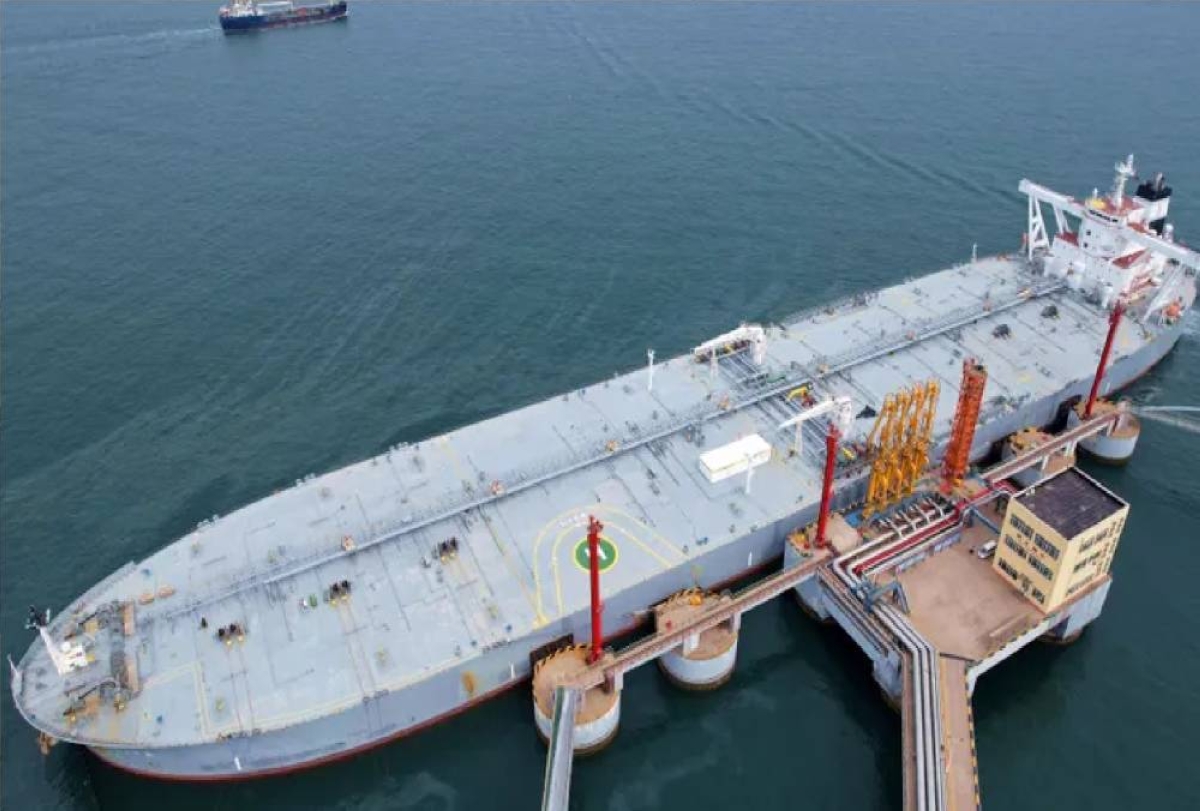
في مسعى لتجنب العقوبات الأمريكية، كشفت صحيفة «وول ستريت جورنال»، أن بكين وطهران أبرمتا اتفاقا سريا، تقوم بموجبه طهران بإرسال شحنات من النفط إلى بكين، أكبر مشترٍ للنفط الإيراني، في مقابل تولي شركات صينية حكومية، مشروعات للبنية التحتية في إيران.
وحسب الصحيفة، فإن العقوبات الأمريكية تجعل من شبه المستحيل دفع ثمن النفط الإيراني، إلا أن الصين وجدت طريقة لفعل ذلك في ترتيب ظل طي الكتمان إلى حد كبير، إذ عمقت قناة تمويلية الروابط الاقتصادية بين خصميْ الولايات المتحدة، ومن خلال الالتفاف على النظام المصرفي الدولي، وفر هذا الترتيب شريان حياة للاقتصاد الإيراني الخاضع للعقوبات.
تدفق مدفوعات نفطية
ونقلت الصحيفة عن عدد من المسؤولين، أن هذه القناة ساهمت، العام الماضي، في تدفق مدفوعات نفطية تصل قيمتها إلى 8.4 مليار دولار، لتمويل أعمال الشركات الصينية في مشروعات كبرى للبنية التحتية في إيران.
وقدرت إدارة معلومات الطاقة الأمريكية صادرات إيران من النفط الخام العام الماضي، بنحو 43 مليار دولار، فيما قدر مسؤولون غربيون أن نحو 90% من تلك الصادرات تتجه إلى الصين.
تقييمات استخباراتية وقنوات دبلوماسية
ويستند النظام الذي تُستبدل بموجبه شحنات النفط الإيراني بمشروعات البنية التحتية التي تنفذها الشركات الصينية، إلى ركيزتين أساسيتين: شركة التأمين الصينية العملاقة «سينوشور» Sinosure، وآلية تمويل صينية يُشار إليها باسم «تشوشين» Chuxin، وفق مسؤولين جمعوا معلوماتهم من وثائق مالية وتقييمات استخباراتية وقنوات دبلوماسية.
ونقلت «وول ستريت» عن المسؤولين قولهم إن شركة إيرانية خاضعة لسيطرة طهران، سجلت بيع النفط إلى مشترٍ صيني تابع لشركة تجارة النفط المملوكة للدولة «تشوهاي جينرونج» Zhuhai Zhenrong المدرجة على لائحة العقوبات الأمريكية.
طريقة تحويل الأموال
وذكرت أن المشتري الصيني يودع مئات الملايين من الدولارات شهريا لدى «تشوشين»، التي تقوم بتحويل الأموال إلى المقاولين الصينيين العاملين في مشروعات هندسية داخل إيران، على أن تكون تمويلات تلك المشروعات مؤمنة عبر «سينوشور»، التي تُعد العنصر المالي الرابط بين أطراف العملية.
ولا يُذكر اسم «تشوشين» بين نحو 4300 مؤسسة مصرفية مسجلة لدى الهيئة التنظيمية العليا في الصين، كما لم يُعثر عليه في أي قوائم رسمية أو سجلات شركات متاحة للجمهور.
أما النفط الخام الإيراني الذي يصل إلى الصين، فيسلك طريقا غير مباشر لإخفاء مصدره، من خلال عمليات نقل من سفينة إلى أخرى، وغالبا ما يُخلط بنفط من دول أخرى، بحسب الحكومة الأمريكية وخبراء في القطاع.
ضامن صيني
وتُعد شركة «سينوشور»، أو «مؤسسة تأمين الصادرات والائتمان الصينية»، أداة مالية تابعة للحكومة المركزية في بكين، تدعم أولوياتها في التنمية الدولية، وهو دور يكتسب أهمية خاصة في مواقع حساسة سياسيا مثل إيران.
وحسب بيانات الشركة، دعمت «سينوشور» أنشطة تجارية واستثمارية حول العالم تقدر بأكثر من 9 تريليونات دولار حتى نهاية العام الماضي.
وتتخذ المشروعات الصينية في إيران طابعا ضخما وموجها من الدولة، مثل بناء المطارات والمصافي ومشروعات النقل، وتديرها كبريات البنوك ومجموعات الهندسة الصينية.
وقدرت بيانات مختبر الأبحاث AidData التابع لجامعة ويليام آند ماري في فرجينيا، أن الصين قدمت التزامات مالية تقدر بأكثر من 25 مليار دولار لبناء البنية التحتية في إيران بين عاميْ 2000 و2023، وكانت «سينوشور» طرفا مباشرا في 16 من أصل 54 صفقة موثقة.
الخارجية الصينية تنفي
وردا على أسئلة الصحيفة الأمريكية، نفت الخارجية الصينية علمها بالترتيب المذكور، مؤكدة معارضتها «العقوبات الأحادية غير القانونية»، وأكدت أن القانون الدولي يجيز التعاون الطبيعي بين الدول.
ومنذ توقيع اتفاق الشراكة الممتد لـ25 عاما بين الصين وإيران عام 2021، تزايدت الأعمال الإنشائية الصينية داخل إيران، وتشكل هذه المشروعات شريانا حيويا للاقتصاد الإيراني.
In an effort to avoid U.S. sanctions, the Wall Street Journal revealed that Beijing and Tehran have reached a secret agreement, under which Tehran sends shipments of oil to Beijing, the largest buyer of Iranian oil, in exchange for state-owned Chinese companies undertaking infrastructure projects in Iran.
According to the newspaper, U.S. sanctions make it nearly impossible to pay for Iranian oil, but China has found a way to do so in a largely clandestine arrangement, as a financing channel deepened economic ties between the U.S. rivals. By circumventing the international banking system, this arrangement has provided a lifeline for the sanctions-hit Iranian economy.
Flow of Oil Payments
The newspaper quoted several officials stating that this channel contributed to the flow of oil payments amounting to $8.4 billion last year, to finance Chinese companies' work on major infrastructure projects in Iran.
The U.S. Energy Information Administration estimated Iran's crude oil exports last year at about $43 billion, while Western officials estimated that about 90% of those exports were directed to China.Intelligence Assessments and Diplomatic Channels
The system under which Iranian oil shipments are exchanged for infrastructure projects carried out by Chinese companies is based on two main pillars: the giant Chinese insurance company Sinosure and a Chinese financing mechanism referred to as Chuxin, according to officials who gathered their information from financial documents, intelligence assessments, and diplomatic channels.
The Wall Street Journal reported that an Iranian company controlled by Tehran recorded the sale of oil to a Chinese buyer affiliated with the state-owned oil trading company Zhuhai Zhenrong, which is on the U.S. sanctions list.Method of Money Transfer
The report mentioned that the Chinese buyer deposits hundreds of millions of dollars monthly with Chuxin, which transfers the funds to Chinese contractors working on engineering projects inside Iran, with the financing for those projects secured through Sinosure, which serves as the financial link between the parties involved.
The name Chuxin does not appear among the approximately 4,300 banking institutions registered with China's top regulatory authority, nor has it been found in any official lists or public company records.
As for the Iranian crude oil reaching China, it takes an indirect route to conceal its source, through transfers from one ship to another, and is often mixed with oil from other countries, according to the U.S. government and sector experts.Chinese Guarantor
Sinosure, or the China Export and Credit Insurance Corporation, is a financial tool of the central government in Beijing that supports its priorities in international development, a role that gains particular importance in politically sensitive locations like Iran.
According to the company's data, Sinosure has supported trade and investment activities worldwide estimated at over $9 trillion by the end of last year.
Chinese projects in Iran are characterized by their massive and state-directed nature, such as building airports, refineries, and transportation projects, managed by major banks and engineering groups in China.
Data from the AidData research lab at William & Mary University in Virginia estimated that China has made financial commitments of over $25 billion for infrastructure development in Iran between 2000 and 2023, with Sinosure being a direct party in 16 out of 54 documented deals.The Chinese Foreign Ministry Denies
In response to questions from the American newspaper, the Chinese Foreign Ministry denied knowledge of the mentioned arrangement, affirming its opposition to "illegal unilateral sanctions," and stated that international law permits normal cooperation between countries.
Since the signing of the 25-year partnership agreement between China and Iran in 2021, Chinese construction activities within Iran have increased, and these projects form a vital artery for the Iranian economy.