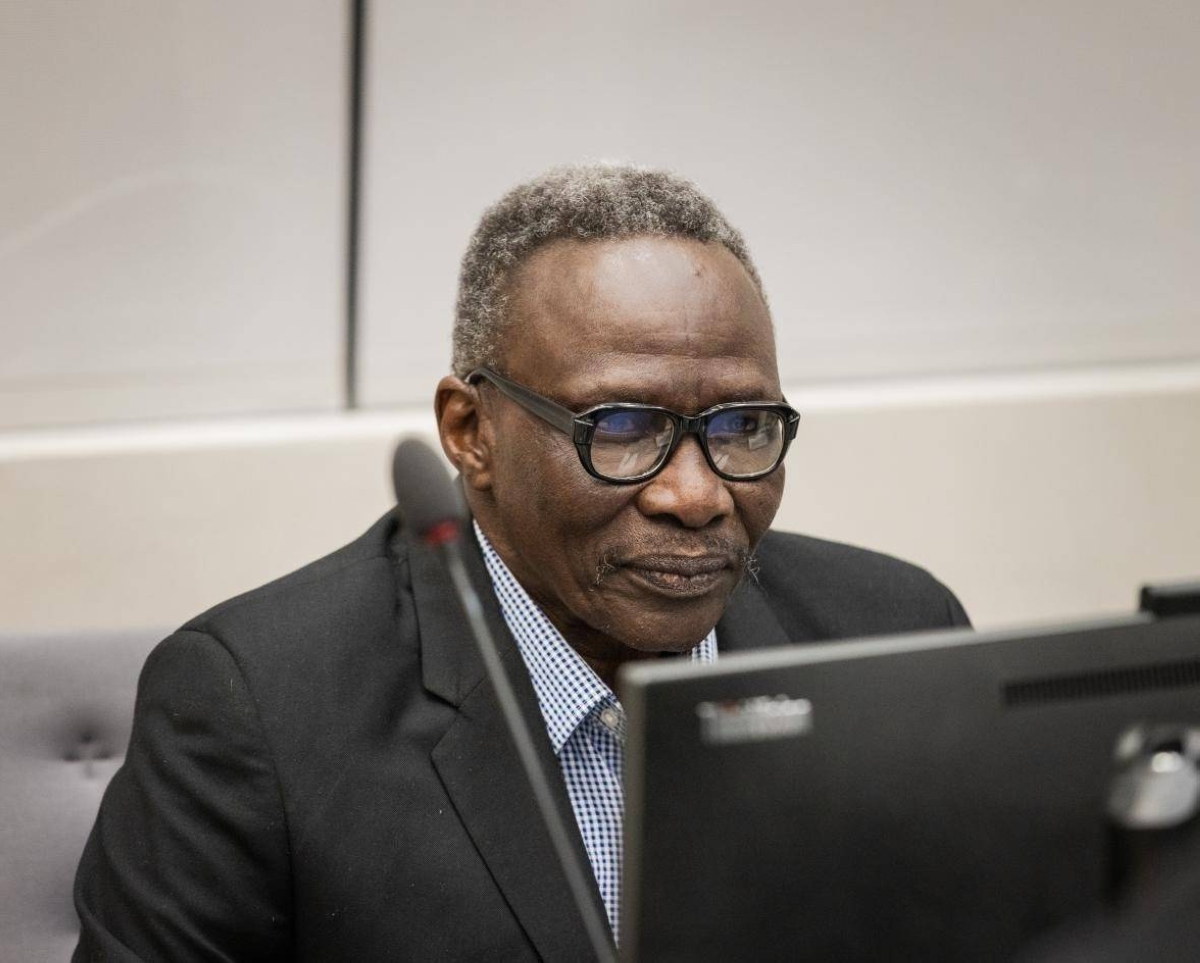
دانت المحكمة الجنائية الدولية اليوم (الاثنين) القائد في مليشيا الجنجويد السودانية علي محمد علي عبد الرحمن، المعروف باسم «علي كوشيب»، المتهم بارتكاب جرائم حرب وجرائم ضد الإنسانية خلال الحرب الدامية التي امتدت 20 عاماً في إقليم دارفور.
التهم الموجهة لكوشيب
واتهمت المحكمة الجنائية «علي كوشيب» بارتكاب 21 جريمة، منها القتل والاغتصاب والتعذيب والنهب والمعاملة الوحشية. وبحسب المدعين العامين في المحكمة فإن المتهم قيادي كبير في مليشيا الجنجويد العربية وشارك «بحماسة في ارتكاب هذه الجرائم».
ومن المقرر تحديد مدة العقوبة في وقت لاحق بعد عقد جولة جديدة من الجلسات.
من جهته، نفى قائد في مليشيا الجنجويد السودانية التهم الموجهة إليه، مؤكداً أنه لم يرتكب ما وجه إليه وأنه ليس الرجل الملاحق.
من هو كوشيب
وُلد كوشيب في عام 1957 في منطقة وادي صالح بغرب دارفور، ونشأ واستقر في مدينة نيالا، عاصمة ولاية جنوب دارفور، وتحديداً في منطقة تُعرف باسم «الخرطوم بالليل»، وانخرط في العمل العسكري، والتحق بقوات شرطة الاحتياطي المركزي، التي تُعرف شعبياً بـ«أبو طيرة»، وهي القوة التي استخدمها نظام الرئيس السابق عمر البشير لمواجهة الحركات المتمردة في إقليم دارفور.
وأصدرت الدائرة الابتدائية في المحكمة الجنائية الدولية في 27 أبريل عام 2007 أمراً بالقبض على كوشيب، بعد أن وُجهت إليه لائحة اتهام تضمنت 50 تهمة تتعلق بجرائم حرب وجرائم ضد الإنسانية، غير أنه ظل مختفياً عن الأنظار لفترة طويلة بعد صدور أمر الاعتقال.
مفاجآت القيادي السوداني للقضاء الدولي
وفي عام 2020 وعقب سقوط نظام البشير سلّم نفسه طواعية إلى المحكمة، وتمت عملية تسليمه، ووصل أولاً إلى جمهورية أفريقيا الوسطى التي تقع على الحدود مع ولاية غرب دارفور، عبر الطريق البري، قبل أن تنقله مروحية تابعة للأمم المتحدة من الحدود إلى العاصمة بانغي، ومن هناك تم ترحيله إلى لاهاي في هولندا، حيث مقر المحكمة الجنائية الدولية،
وعقب مثوله أمام القضاة وجّهت إليه المحكمة 31 تهمة تتعلق بجرائم الحرب والإبادة الجماعية في إقليم دارفور، ارتُكبت بين أغسطس 2003 وأبريل 2004، بحسب لائحة الاتهام، إلا أنه بعد مرور 4 سنوات على تسليم نفسه، وأثناء استمرار المحاكمة، فاجأ كوشيب قضاة المحكمة بتصريح غير متوقع، وقال: «أنتم تحاكمون الشخص الخطأ، أنا لست عبد الرحمن كوشيب، ولا أعرف شخصاً بهذا الاسم، سلّمت نفسي للمحكمة في عام 2020 لتبرئة نفسي من التهم».
The International Criminal Court today (Monday) convicted Sudanese Janjaweed militia leader Ali Muhammad Ali Abd al-Rahman, known as "Ali Kushayb," who is accused of committing war crimes and crimes against humanity during the bloody 20-year conflict in the Darfur region.
The Charges Against Kushayb
The court charged "Ali Kushayb" with 21 crimes, including murder, rape, torture, looting, and inhumane treatment. According to the prosecutors at the court, the accused is a senior leader in the Arab Janjaweed militia and participated "enthusiastically in committing these crimes."
The length of the sentence is set to be determined later after a new round of hearings.
For his part, a leader in the Sudanese Janjaweed militia denied the charges against him, asserting that he did not commit what he was accused of and that he is not the wanted man.
Who is Kushayb
Kushayb was born in 1957 in the Wadi Salih area of West Darfur and grew up and settled in Nyala, the capital of South Darfur, specifically in an area known as "Khartoum at Night." He became involved in military work and joined the Central Reserve Police, popularly known as "Abu Tira," which was the force used by the regime of former President Omar al-Bashir to confront the rebel movements in the Darfur region.
On April 27, 2007, the Pre-Trial Chamber of the International Criminal Court issued an arrest warrant for Kushayb after he was charged with 50 counts related to war crimes and crimes against humanity; however, he remained out of sight for a long time after the arrest warrant was issued.
Sudanese Leader's Surprises for International Justice
In 2020, following the fall of al-Bashir's regime, he voluntarily surrendered to the court. His handover process began with his arrival in the Central African Republic, which borders West Darfur, via land routes, before being transported by a United Nations helicopter from the border to the capital Bangui, and from there he was extradited to The Hague in the Netherlands, where the International Criminal Court is located.
After appearing before the judges, the court brought 31 charges against him related to war crimes and genocide in the Darfur region, committed between August 2003 and April 2004, according to the indictment. However, after four years since his surrender and while the trial was ongoing, Kushayb surprised the court judges with an unexpected statement, saying: "You are prosecuting the wrong person; I am not Abd al-Rahman Kushayb, and I do not know anyone by that name. I surrendered to the court in 2020 to clear my name of the charges."