


بعد ساعات قليلة من كشف تشكيلة حكومته الجديدة، أعلن رئيس الوزراء الفرنسي سيباستيان لوكورنو استقالته، اليوم (الإثنين).
استقالة لوكورنو، الذي تولى منصبه في بداية شهر سبتمبر، جعلت فجوة أسعار الفائدة بين الديون الفرنسية والألمانية تقترب من أعلى نقطة لها منذ العام 2012.
وأثرت على سوق السندات الأوروبية، إذ ارتفع العائد على السندات الفرنسية لأجل 10 سنوات بمقدار 11 نقطة من الأساس ليصل إلى 3.61%.
وأدّى هذا الارتفاع إلى زيادة الفارق في تكاليف الاقتراض (أو ما يُعرف بـ«الفارق» أو spread) بين فرنسا وألمانيا، التي تُعتبر مديونتها الأقل خطراً في أوروبا، إلى 89 نقطة من الأساس. وبذلك يصل الفارق إلى مستوى قريب من الذروة البالغة 90 نقطة من الأساس المسجلة في عام 2024، وهو أعلى مستوى منذ عام 2012 في أعقاب أزمة الديون في منطقة اليورو.
وبعد نحو أربعة أسابيع من المفاوضات، كشفت، أمس الأحد، ملامح هيكل حكومة سيباستيان لوكورنو، الذي تم من خلالها تعيين 18 وزيراً، من بينهم 11 وزيراً جرى تجديد الثقة لهم.
لكن بمجرد إعلان قائمة الوزراء، تعرّضت تشكيلة لوكورنو سريعاً لتهديد بالإسقاط من قبل قوى المعارضة. حتى "الجمهوريون" توعدوا الحكومة المشكلة بإسقاطها، معتبرين أنها «لا تعكس القطيعة الموعودة».
وأمام هذا الكم من الانتقادات قبل أن تطأ قدماه الجمعية الوطنية بصفته رئيساً للوزراء، قدّم سيباستيان لوكورنو، اليوم الإثنين استقالته إلى الرئيس إيمانويل ماكرون، بعد نحو 12 ساعة فقط من إعلان تشكيل حكومته.
وفي تصريح بعد خروجه من الاليزيه قال رئيس الوزراء المستقيل: إن الرغبات الحزبية حالت دون إيجاد نقاط توافق لإخراج فرنسا من المأزق السياسي الذي تعرفه منذ شهور. وأعرب عن أسفه لغياب إرادة التفاهم لدى الأحزاب السياسية.
بعد استقالة رئيس الوزراء.. أزمة فرنسا ترفع تكلفة الدين
6 أكتوبر 2025 - 15:27
|
آخر تحديث 6 أكتوبر 2025 - 15:27
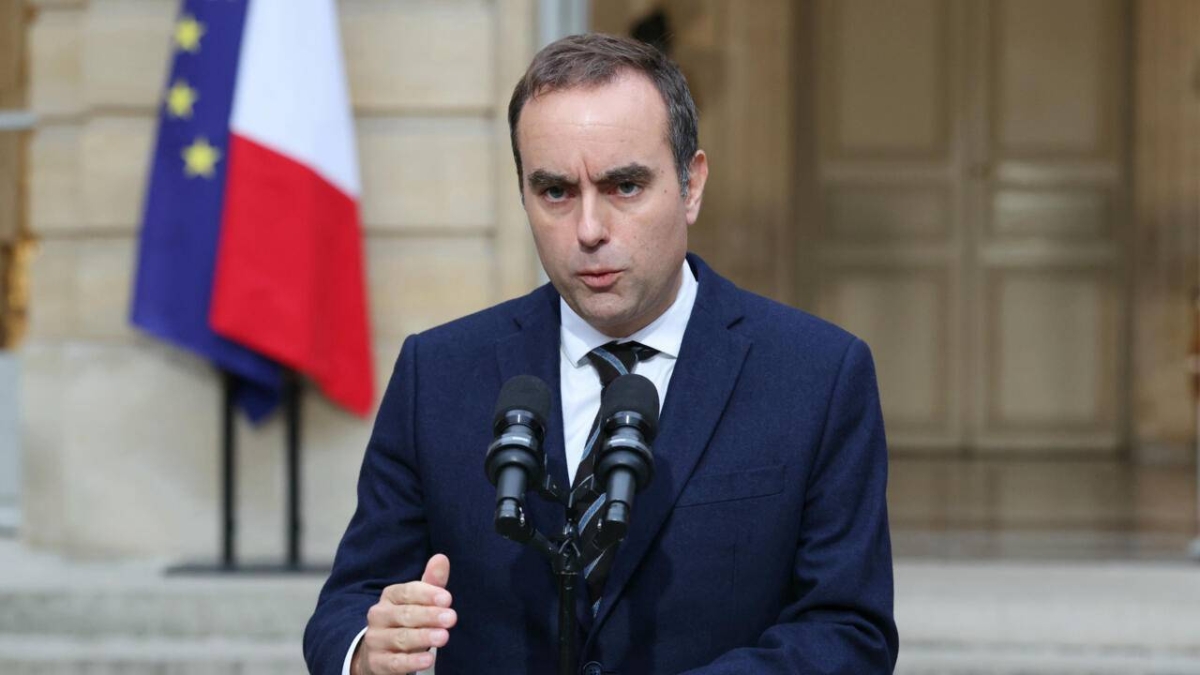
سيباستيان لوكورنو


تابع قناة عكاظ على الواتساب
أسماء فرنان (باريس) okaz_online@
A few hours after revealing his new government lineup, French Prime Minister Sébastien Lecornu announced his resignation today (Monday).
Lecornu's resignation, who took office at the beginning of September, caused the interest rate gap between French and German debts to approach its highest point since 2012.
This resignation affected the European bond market, as the yield on 10-year French bonds rose by 11 basis points to reach 3.61%.
This increase led to a widening of the borrowing cost gap (or what is known as the "spread") between France and Germany, which is considered to have the least risky debt in Europe, to 89 basis points. Thus, the gap is nearing the peak level of 90 basis points recorded in 2024, the highest level since 2012 following the eurozone debt crisis.
After nearly four weeks of negotiations, the outlines of Sébastien Lecornu's government structure were revealed yesterday, Sunday, which included the appointment of 18 ministers, 11 of whom were given renewed confidence.
However, as soon as the list of ministers was announced, Lecornu's lineup quickly faced a threat of being toppled by opposition forces. Even the "Republicans" vowed to bring down the newly formed government, considering that it "does not reflect the promised break."
In light of this volume of criticism before he even set foot in the National Assembly as Prime Minister, Sébastien Lecornu submitted his resignation to President Emmanuel Macron today, just about 12 hours after announcing the formation of his government.
In a statement after leaving the Élysée, the resigned Prime Minister said that party interests prevented finding points of consensus to pull France out of the political impasse it has been experiencing for months. He expressed regret over the lack of willingness for understanding among political parties.
Lecornu's resignation, who took office at the beginning of September, caused the interest rate gap between French and German debts to approach its highest point since 2012.
This resignation affected the European bond market, as the yield on 10-year French bonds rose by 11 basis points to reach 3.61%.
This increase led to a widening of the borrowing cost gap (or what is known as the "spread") between France and Germany, which is considered to have the least risky debt in Europe, to 89 basis points. Thus, the gap is nearing the peak level of 90 basis points recorded in 2024, the highest level since 2012 following the eurozone debt crisis.
After nearly four weeks of negotiations, the outlines of Sébastien Lecornu's government structure were revealed yesterday, Sunday, which included the appointment of 18 ministers, 11 of whom were given renewed confidence.
However, as soon as the list of ministers was announced, Lecornu's lineup quickly faced a threat of being toppled by opposition forces. Even the "Republicans" vowed to bring down the newly formed government, considering that it "does not reflect the promised break."
In light of this volume of criticism before he even set foot in the National Assembly as Prime Minister, Sébastien Lecornu submitted his resignation to President Emmanuel Macron today, just about 12 hours after announcing the formation of his government.
In a statement after leaving the Élysée, the resigned Prime Minister said that party interests prevented finding points of consensus to pull France out of the political impasse it has been experiencing for months. He expressed regret over the lack of willingness for understanding among political parties.


