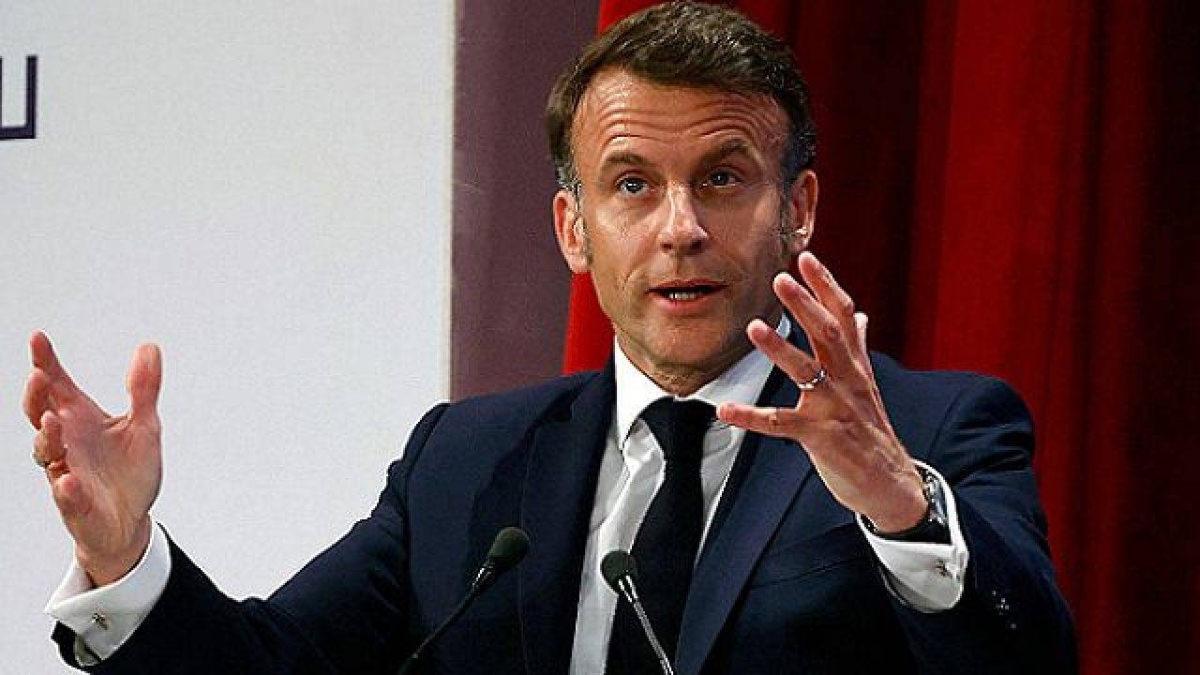
عمّقت الاستقالة المفاجئة لرئيس الوزراء الفرنسي يباستيان لوكورنو، اليوم (الإثنين)، الأزمة السياسية المستفحلة في البلاد، ووضعت الرئيس إيمانويل ماكرون أمام 3 خيارات وهي: أولها: استقالته شخصياً، وهو أمر مستبعد حالياً على الأقل. ثانيهاً: حلّ الجمعية الوطنية أي مجلس النواب والدعوة إلى انتخابات مبكّرة، رغم أن هذا الخيار لن يضمن له غالبية نيابية بل سيكون بمثابة مغامرة جديدة.
ويكمن الخيار الثالث في تكليف شخصية جديدة لتشكيل الحكومة، محاولاً بذلك الهروب إلى الأمام دون أي تغيير على أرض الواقع، خصوصاً أن الكتلتين النيابيّتين الوازنتين من أحزاب اليسار وحزب أقصى اليمين، ستكونان بالمرصاد لأية حكومة لا تنفّذ مطالبهما، ما يعني أن ماكرون إما أن يصبح رهينة لهما أو أن تسقط حكوماته بشكل متكرر، ويكون ذلك أزمة غير مسبوقة في تاريخ فرنسا الحديث.
فيما رأت زعيمة «التجمع الوطني» اليميني المتطرف في فرنسا، مارين لوبان، أن الخيار الوحيد الممكن هو إجراء انتخابات برلمانية جديدة في البلاد.
أسباب وراء الاستقالة
وتحدثت مصادر عن أسباب عدة وراء الاستقالة التي فاجأت الفرنسيين بل والنواب والوزراء. وذكرت أن رئيس الحكومة المستقيل يباستيان لوكورنو وهو الخامس منذ شهر يناير 2025، كان قد سمى 18 وزيراً الليلة الماضية، على أن يختار البقية فيما بعد، الأمر الذي أشعل فتيل الأزمة، إذ بدا أن 12 من الوزراء المختارين كانوا في حكومات سابقة ما يعني وفقاً للمعترضين، أن حكومة سقطت بحجب الثقة لا يجب لها العودة، وإن عادت فهذا يشير إلى أن الرئيس لا يكترث لعملية التصويت.
سابع رئيس وزراء
وكان الرئيس ماكرون عيّن مساء أمس الأحد حكومة جديدة، برئاسة سيباستيان لوكورنو، في محاولة لانتشال فرنسا من أزمتها السياسية المستمرة، أُعلن التشكيل الوزاري الجديد بعد نحو شهر من تعيين لوكورنو، وهو سابع رئيس وزراء في عهد ماكرون.
وتولى برونو لو مير، الذي شغل منصب وزير الاقتصاد بين عامي 2017 و2024، حقيبة الدفاع، فيما عُيّن رولان ليسكيور وزيراً للاقتصاد، في مهمة صعبة تتعلق بإعداد خطة الموازنة. فيما احتفظ عدد من الوزراء الرئيسيين بمناصبهم، إذ بقي جان-نويل بارو وزيراً للخارجية، بحسب بيان الرئاسة.
واستمر برونو ريتايو في وزارة الداخلية، بعد أن تعهد بمواجهة الهجرة غير الشرعية، فيما بقي جيرالد دارمانان وزيراً للعدل.
واحتفظت وزيرة الثقافة رشيدة داتي، التي تواجه محاكمة بتهم فساد العام القادم، بمنصبها.
جمود سياسي
وتعاني فرنسا من حالة جمود سياسي منذ أن قرر ماكرون إجراء انتخابات مبكرة منتصف العام الماضي، في محاولة لتعزيز سلطته، إلا أن الخطوة جاءت بنتائج عكسية، إذ أفرزت برلماناً منقسماً بين ثلاث كتل متنافسة.
وكان اثنان من أسلاف لوكورنو المباشرين، فرنسوا بايرو وميشال بارنييه، قد أُقيلا إثر مواجهة تشريعية حول موازنة التقشف الفرنسية.
The sudden resignation of French Prime Minister Élisabeth Borne today (Monday) has deepened the ongoing political crisis in the country and placed President Emmanuel Macron in front of three options: the first is his personal resignation, which is currently unlikely at least. The second is to dissolve the National Assembly, i.e., the House of Representatives, and call for early elections, although this option would not guarantee him a parliamentary majority and would be a new adventure.
The third option lies in appointing a new figure to form the government, attempting to move forward without any real change on the ground, especially since the two significant parliamentary blocs from the left and the far-right party will be on the lookout for any government that does not implement their demands, meaning that Macron will either become a hostage to them or his governments will fall repeatedly, leading to an unprecedented crisis in modern French history.
Meanwhile, the leader of the far-right "National Rally" in France, Marine Le Pen, stated that the only possible option is to hold new parliamentary elections in the country.
Reasons Behind the Resignation
Sources have mentioned several reasons behind the resignation that surprised the French, as well as the deputies and ministers. It was noted that the resigned Prime Minister Élisabeth Borne, the fifth since January 2025, had appointed 18 ministers last night, with plans to choose the rest later, which ignited the crisis, as it appeared that 12 of the selected ministers had served in previous governments, which means, according to the dissenters, that a government that fell due to a vote of no confidence should not return, and if it does, it indicates that the president does not care about the voting process.
Seventh Prime Minister
President Macron appointed a new government last night, headed by Élisabeth Borne, in an attempt to pull France out of its ongoing political crisis. The new ministerial formation was announced about a month after Borne's appointment, making her the seventh Prime Minister during Macron's presidency.
Bruno Le Maire, who served as Minister of Economy from 2017 to 2024, took over the defense portfolio, while Roland Lescure was appointed Minister of Economy, facing a challenging task related to preparing the budget plan. Several key ministers retained their positions, with Jean-Noël Barrot remaining as Minister of Foreign Affairs, according to the presidency's statement.
Bruno Retailleau continued in the Ministry of Interior after pledging to tackle illegal immigration, while Gérald Darmanin remained as Minister of Justice.
Cultural Minister Rachida Dati, who is facing trial on corruption charges next year, retained her position.
Political Stalemate
France has been experiencing a political stalemate since Macron decided to hold early elections in the middle of last year in an attempt to strengthen his authority, but the move backfired, resulting in a parliament divided among three competing blocs.
Two of Borne's immediate predecessors, François Bayrou and Michel Barnier, were dismissed following a legislative confrontation over the French austerity budget.