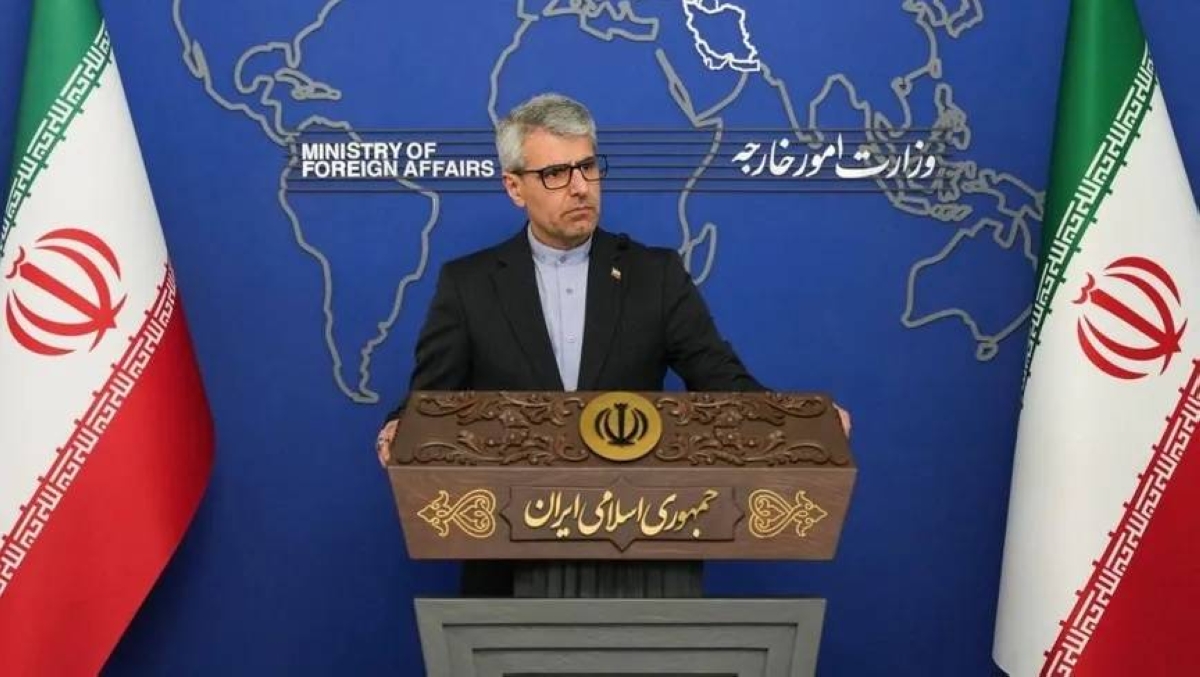
شددت إيران على أنها «لن تتوسل من أجل التفاوض مع واشنطن»، مؤكدة أنها لا تملك أية خطة للتفاوض مع الولايات المتحدة، بعد إعادة فرض العقوبات الأممية عليها.
وأفاد المتحدث باسم الخارجية الإيرانية إسماعيل بقائي، في مؤتمر صحفي، اليوم (الإثنين)، بأن بلاده لا تملك في هذه المرحلة أية خطة للتفاوض مع الجانب الأمريكي، وتركّز حالياً على دراسة الآثار والتبعات المترتبة على الخطوات التي أقدمت عليها الدول الأوروبية الثلاث والولايات المتحدة، في إشارة إلى إعادة فرض العقوبات.
وقال بقائي إن الدبلوماسية باعتبارها مساراً قائماً على الاتصالات والمشاورات، ما زالت مستمرة، مضيفاً أنه كلما شعرت إيران بأن الدبلوماسية يمكن أن تكون مثمرة، فسيُتخذ القرار استناداً إلى المصالح والمنافع الوطنية.
أمريكا لا تلتزم بالقوانين
واعتبر متحدث الخارجية أن بعض تصريحات المسؤولين الأمريكيين التي أعربوا فيها عن فخرهم بارتكاب عملٍ إجرامي، لا تؤدي إلا إلى زيادة المسؤولية الدولية على عاتق الحكومة الأمريكية، وفق تعبيره.
وأكد أن الاعتراف بارتكاب أعمال غير قانونية لن يمنح الولايات المتحدة أية مصداقية، بل يثبت مرة أخرى للمجتمع الدولي وللشعب الإيراني أن أمريكا لا تلتزم بالقواعد المعترف بها دولياً.
وجدد بقائي انتقاداته إلى الترويكا الأوروبية (فرنسا، وألمانيا، وبريطانيا)، مؤكداً أن الدول الثلاث وأمريكا لا تملك الأهلية للّجوء إلى آلية تسوية الخلاف في الاتفاق النووي. ووصف إجراءها بإعادة إطلاق آلية «سناب باك» بغير القانونية. واعتبر أن مجلس الأمن لم يتخذ قراراً قانونياً بشأن العقوبات بسبب غياب الإجماع.
وأفصحت المتحدثة باسم الحكومة الإيرانية فاطمة مهاجراني الأسبوع الماضي أن بلادها قدمت مقترحاً للتفاوض المباشر مع الولايات المتحدة، لكن المبعوث الأمريكي الخاص ستيف ويتكوف، حدّد الموعد ولم يحضر.
اقتراحات إيرانية مرفوضة
وكان وزير الخارجية الإيراني عباس عراقجي، أعلن أن «كافة المقترحات التي قدمت خلال اجتماعات على هامش الجمعية العامة للأمم المتحدة الشهر الماضي، رفضت من قبل الأوروبيين، بتشجيع أو ضغط من الجانب الأمريكي».
وطالبت دول الترويكا الأوروبية التي أطلقت مسار «آلية الزناد» أواخر أغسطس الماضي، طهران بمنح مفتّشي الوكالة الذرية وصولاً كاملاً إلى كل المنشآت النووية. واشترطت استئناف المفاوضات مع واشنطن، فضلاً عن اعتماد آلية لضمان أمن مخزون اليورانيوم المخصّب. في حين اعتبرت طهران تلك الشروط غير عادلة وبمثابة ضغوط عليها، مؤكدة أن برنامجها النووي سلمي.
وأخفقت المشاورات التي عقدت على مدى أيام عدة على هامش الجمعية العامة للأمم المتحدة أواخر سبتمبر الماضي، بين الإيرانيين والأوروبيين في التوصل إلى نتيجة إيجابية.
Iran emphasized that it "will not beg to negotiate with Washington," confirming that it has no plans to negotiate with the United States after the re-imposition of UN sanctions against it.
The spokesperson for the Iranian Foreign Ministry, Ismail Baqaei, stated at a press conference today (Monday) that his country currently has no plans to negotiate with the American side, and is focusing on studying the impacts and consequences of the steps taken by the three European countries and the United States, referring to the re-imposition of sanctions.
Baqaei said that diplomacy, as a process based on communication and consultations, is still ongoing, adding that whenever Iran feels that diplomacy could be fruitful, a decision will be made based on national interests and benefits.
America Does Not Abide by Laws
The Foreign Ministry spokesperson considered that some statements made by American officials, in which they expressed pride in committing a criminal act, only increase the international responsibility on the shoulders of the U.S. government, as he put it.
He affirmed that acknowledging the commission of illegal acts will not grant the United States any credibility, but rather proves once again to the international community and the Iranian people that America does not adhere to internationally recognized rules.
Baqaei renewed his criticisms of the European troika (France, Germany, and Britain), asserting that the three countries and the U.S. are not qualified to resort to the dispute resolution mechanism in the nuclear agreement. He described their action of reactivating the "snapback" mechanism as illegal. He considered that the Security Council did not make a legal decision regarding the sanctions due to the lack of consensus.
The spokesperson for the Iranian government, Fatemeh Mohajerani, revealed last week that her country had proposed direct negotiations with the United States, but the U.S. special envoy, Steve Biegun, set a date and did not attend.
Rejected Iranian Proposals
Iranian Foreign Minister Abbas Araghchi announced that "all proposals made during meetings on the sidelines of the UN General Assembly last month were rejected by the Europeans, encouraged or pressured by the American side."
The European troika countries that initiated the "trigger mechanism" process in late August demanded that Tehran grant inspectors from the nuclear agency full access to all nuclear facilities. They conditioned the resumption of negotiations with Washington, in addition to adopting a mechanism to ensure the security of enriched uranium stocks. Meanwhile, Tehran considered those conditions unfair and as pressure on it, affirming that its nuclear program is peaceful.
The consultations held over several days on the sidelines of the UN General Assembly in late September between the Iranians and Europeans failed to reach a positive outcome.