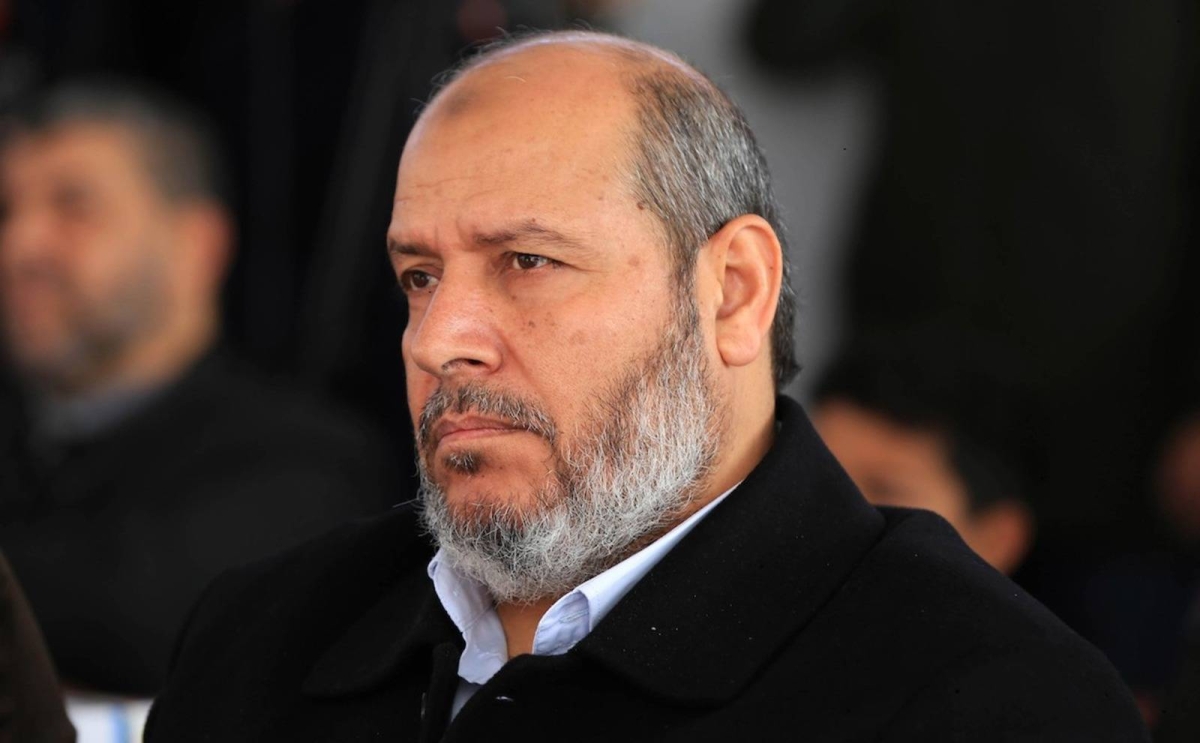
أعلنت حركة حماس وصول وفد الحركة برئاسة خليل الحية إلى مصر لبدء مشاورات إجراءات الترتيب للإفراج عن الأسرى والمحتجزين، وفقاً لخطة الرئيس الأمريكي دونالد ترمب، التي أعلن عنها قبل أيام، مع التركيز على الإفراج عن الأسرى والمحتجزين في المرحلة الأولى.
وتنطلق اليوم (الإثنين) بمدينة شرم الشيخ المصرية، المفاوضات غير المباشرة بين حركة حماس وإسرائيل، بمشاركة 3 أطراف وسيطة؛ هي الإدارة الأمريكية ومصر وقطر، وسط أجواء من التفاؤل الحذر بسبب عدد وحجم العقبات التي تواجهها.
وأعلنت «حماس» موافقتها المشروطة على الخطة، التي تتكون من 20 بنداً أُعلنت في 29 سبتمبر، تشمل وقف إطلاق نار فوري، وإطلاق سراح جميع الرهائن الإسرائيليين (نحو 20 حياً وجثامين آخرين) مقابل آلاف السجناء الفلسطينيين، وانسحاباً إسرائيلياً أولياً، وإعادة إعمار غزة تحت إدارة تكنوقراط فلسطينيين، مع ضمانات أمنية، ورفض التهجير القسري.
وجاءت الدعوة إلى استئناف المفاوضات المتوقفة منذ شهور بعد موافقة حركة حماس على خطة الرئيس الأمريكي دونالد ترمب، وهي الموافقة التي أبدت الحركة فيها الاستعداد للتفاوض على المرحلة الأولى من الصفقة، التي تنص على إطلاق سراح جميع المحتجزين الإسرائيليين الأحياء والأموات.
وحظيت خطة ترمب، التي وصفها بـ«الصفقة العظيمة»، بدعم إسرائيلي مشروط (مع التركيز على نزع سلاح «حماس») وترحيب دولي من السعودية ومصر وقطر وتركيا، لكن «حماس» طلبت تعديلات حول جدول الانسحاب الكامل، رفض الإدارة الدولية لغزة، ومنع العودة للاحتلال، مع استمرار القصف الإسرائيلي رغم الدعوة الأمريكية لوقفه.
The Hamas movement announced the arrival of a delegation led by Khalil al-Hayya to Egypt to begin consultations on the arrangements for the release of prisoners and detainees, according to the plan announced by U.S. President Donald Trump a few days ago, focusing on the release of prisoners and detainees in the first phase.
Today (Monday), indirect negotiations between Hamas and Israel will commence in the Egyptian city of Sharm El-Sheikh, with the participation of three mediating parties: the U.S. administration, Egypt, and Qatar, amid an atmosphere of cautious optimism due to the number and size of the obstacles faced.
Hamas announced its conditional acceptance of the plan, which consists of 20 points announced on September 29, including an immediate ceasefire, the release of all Israeli hostages (about 20 alive and other bodies) in exchange for thousands of Palestinian prisoners, an initial Israeli withdrawal, and the reconstruction of Gaza under the management of Palestinian technocrats, with security guarantees, and a rejection of forced displacement.
The call to resume negotiations that have been stalled for months came after Hamas's approval of U.S. President Donald Trump's plan, in which the movement expressed its readiness to negotiate the first phase of the deal, which stipulates the release of all living and deceased Israeli detainees.
Trump's plan, which he described as the "great deal," received conditional Israeli support (focusing on disarming Hamas) and international welcome from Saudi Arabia, Egypt, Qatar, and Turkey. However, Hamas requested amendments regarding the full withdrawal timetable, the rejection of international administration in Gaza, and the prevention of a return to occupation, while Israeli bombardment continued despite the U.S. call to cease it.