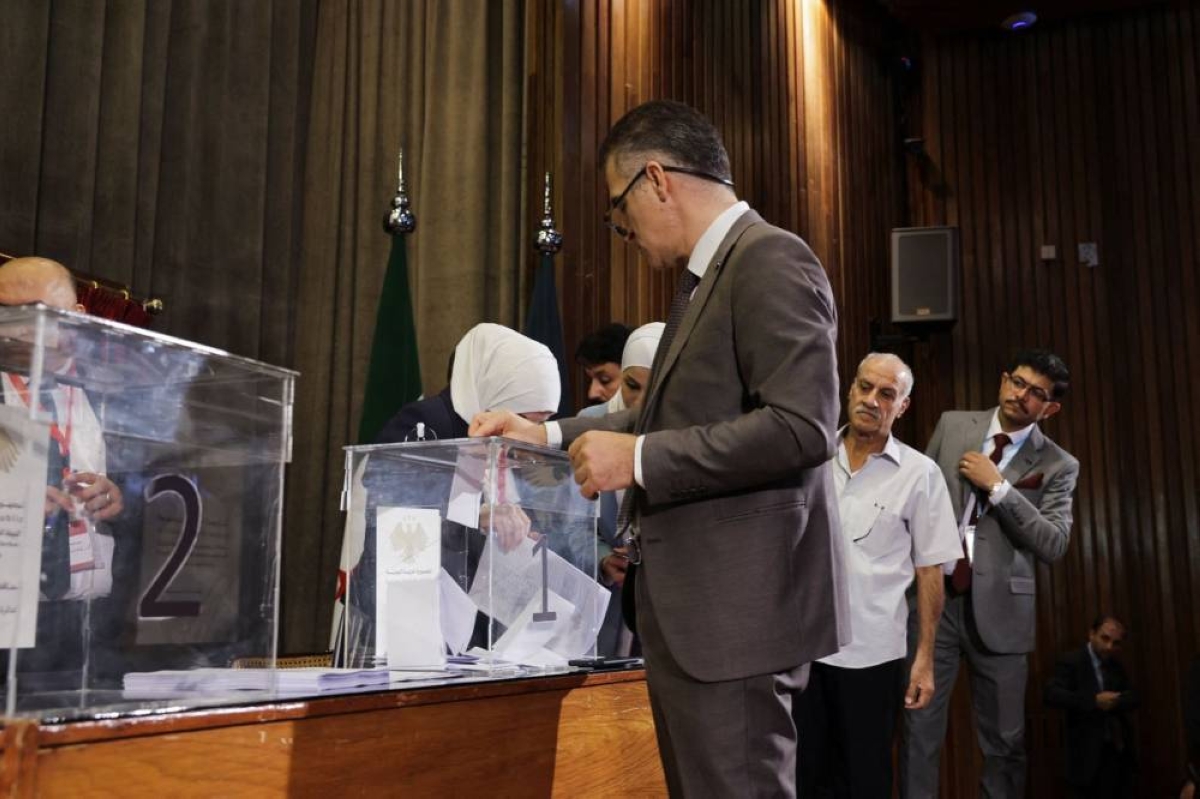
فتحت مراكز الاقتراع في المحافظات السورية، التي تُجرى فيها انتخابات مجلس الشعب للمرة الأولى بعد سقوط نظام بشار الأسد أبوابها، اليوم (الأحد)، ضمن 60 دائرة انتخابية موزعة على مختلف المحافظات، بمشاركة نحو 6,000 شخص من أعضاء الهيئات الناخبة، التي ستستمر حتى الساعة الـ12:00 ظهراً بتوقيت دمشق.
نظام انتخابي غير مباشر
وتجرى الانتخابات بنظام انتخابي مؤقت غير مباشر، إذ سيدلي 6,000 ناخب من هيئات انتخابية إقليمية بأصواتهم، بدءاً من الساعة الـ9:00 صباحاً بالتوقيت المحلي. ويتنافس 1,578 مرشحاً على 140 مقعداً في مجلس الشعب، فيما سيُعيَّن 70 عضواً في المجلس من قبل رئيس الجمهورية.
وتحظى محافظة حلب بأكبر عدد من المقاعد (32 مقعداً)، سيتم انتخابهم من 700 عضو من الهيئات الناخبة، تليها دمشق بـ10 مقاعد يختارها 600 عضو من الهيئات الناخبة.
وقررت اللجنة العليا تحديد موعد لاحق للاقتراع في بعض مناطق محافظتي الرقة والحسكة (معدان ورأس العين وتل أبيض)، بينما ستبقى مقاعد باقي الدوائر، شاغرة في المحافظتين، إضافة إلى دوائر محافظة السويداء كافة إلى حين توافر الظروف المناسبة، بحسب ما أوردت وكالة الأنباء السورية «سانا».
وتنتهي عملية الاقتراع، وفق تصريح المتحدث باسم اللجنة العليا لانتخابات مجلس الشعب نوار نجمة، لـ«سانا» عند الساعة الـ12:00 ظهراً بشكل مبدئي، وفي حال عدم إدلاء جميع أعضاء الهيئة الناخبة بأصواتهم، يتم تمديد الاقتراع حتى الساعة الـ4:00 بعد عصراً كحدّ أقصى.
أعضاء الهيئات الناخبة أمام مراكز الاقتراع في دمشق.
إعلان النتائج والأسماء
ووفقاً لـ«سانا»، أوضح المتحدث باسم اللجنة العليا أنه بعد إعلان النتائج والأسماء الأولية من قبل اللجنة العليا للانتخابات، ستحال العملية إلى لجان الطعون للنظر في أي اعتراضات مقدمة من أعضاء الهيئات الناخبة بخصوص آليات التصويت أو الفرز، لتُعلَن بعدها النتائج النهائية خلال مؤتمر صحفي رسمي تعقده اللجنة العليا لانتخابات مجلس الشعب يوم الاثنين أو الثلاثاء القادمين.
ومن بين 210 مقاعد، سيتم انتخاب 140 عبر نظام مجمع انتخابي قائم على الدوائر، إذ يتم اختيار أعضاء المجلس من قبل لجان محلية مؤلفة من شخصيات أكاديمية ومجتمعية. أما الأعضاء الـ70 المتبقون، فسيتم تعيينهم من قبل الرئيس.
شروط الترشح
وفقاً لنص المرسوم، حدّد النظام الانتخابي شروط الترشح، وهي «أن يكون المرشح سوري الجنسية قبل 1 مايو 2011، وأن يكون قيده في السجل المدني ضمن دائرته الانتخابية، أو يكون مقيماً فيها لمدة 5 سنوات متتالية قبل عام 2011».
ويشترط في المرشح أن يكون متمتعاً بالأهلية القانونية، وأتم الـ25 من العمر بتاريخ صدور المرسوم، وأن يتمتع بحسن السيرة والسلوك، وألا يكون محكوماً عليه في جناية أو جرم مُخل بالشرف، باستثناء القضايا ذات الطابع السياسي أو الأمني، وألا يكون قد ترشح في الانتخابات الرئاسية بعد عام 2011.
وتضم قائمة الشروط كذلك ألا يكون عضواً سابقاً في مجلس الشعب أو مرشحاً له في الفترة ما بعد 2011، إلا إذا أثبت انشقاقه، وألا يكون من داعمي النظام السابق و"التنظيمات الإرهابية" بأي شكل من الأشكال، وألا يكون من دعاة الانفصال والتقسيم أو الاستقواء بالخارج.
ويشترط المرسوم ألا يكون المرشح منتسباً للقوات المسلحة أو الأجهزة الأمنية، وألا يكون عضواً في اللجنة العليا أو اللجان الفرعية أو لجان الطعون، وألا يشغل منصب وزير، أو محافظ، أو نائب أحدهما، أو معاونه، وأن يكون ملتزماً بأحكام الإعلان الدستوري، وأن يكون حاصلاً على شهادة جامعية معتمدة أو ما يعادلها بالنسبة لفئة الكفاءات، وأن يكون حاصلاً على الشهادة الثانوية بالنسبة لفئة الأعيان.
فئة الكفاءات
ويُقصد بـ«فئة الكفاءات» الأشخاص الحاصلين على مؤهلات جامعية في مختلف الاختصاصات، فيما يُقصد بـ«فئة الأعيان» الشخصيات ذات التأثير الاجتماعي، ممن يُعرفون بالنشاط والخدمات المجتمعية.
ويراعى في اختيار المرشحين أن تكون نسبة الكفاءات 70%، ونسبة الأعيان 30%، والتنوع المجتمعي والتوزع السكاني في الوحدات الإدارية ضمن الدائرة الانتخابية، وتنوع الاختصاصات في قائمة الكفاءات إلى جانب تمثيل المهجَّرين داخلياً وخارجياً.
أما تمثيل المرأة في الهيئة الانتخابية، فقد تحدد وفقاً للمرسوم بنسبة لا تقل عن 20% من المقاعد في عموم الهيئات الناخبة.
Polling stations in the Syrian provinces, where the People's Assembly elections are being held for the first time after the fall of Bashar al-Assad's regime, opened today (Sunday) at 60 electoral districts distributed across various provinces, with the participation of about 6,000 members of the electoral bodies, which will continue until 12:00 PM Damascus time.
Indirect Electoral System
The elections are being conducted under a temporary indirect electoral system, where 6,000 voters from regional electoral bodies will cast their votes starting from 9:00 AM local time. A total of 1,578 candidates are competing for 140 seats in the People's Assembly, while 70 members of the assembly will be appointed by the President of the Republic.
The Aleppo province has the largest number of seats (32 seats), which will be elected from 700 members of the electoral bodies, followed by Damascus with 10 seats chosen by 600 members of the electoral bodies.
The High Committee decided to set a later date for voting in some areas of the Raqqa and Hasakah provinces (Midan, Ras al-Ain, and Tal Abyad), while the seats in the other districts of the two provinces, as well as all districts of Sweida province, will remain vacant until suitable conditions are available, according to the Syrian news agency "SANA".
The voting process, according to the spokesperson for the High Committee for the People's Assembly elections, Nawar Najma, to "SANA," will initially end at 12:00 PM, and if not all members of the electoral body cast their votes, voting will be extended until 4:00 PM at the latest.
أعضاء الهيئات الناخبة أمام مراكز الاقتراع في دمشق.
Announcement of Results and Names
According to "SANA," the spokesperson for the High Committee clarified that after the announcement of the preliminary results and names by the High Committee for Elections, the process will be referred to the appeals committees to consider any objections submitted by members of the electoral bodies regarding the voting or counting mechanisms, after which the final results will be announced during an official press conference held by the High Committee for the People's Assembly elections on the coming Monday or Tuesday.
Out of 210 seats, 140 will be elected through an electoral system based on districts, where members of the assembly are chosen by local committees composed of academic and community figures. The remaining 70 members will be appointed by the president.
Conditions for Candidacy
According to the text of the decree, the electoral system specifies the conditions for candidacy, which are "the candidate must be of Syrian nationality before May 1, 2011, and must be registered in the civil registry within their electoral district, or have resided there for 5 consecutive years prior to 2011."
The candidate must also be legally eligible, at least 25 years old on the date of the issuance of the decree, possess good conduct and behavior, and not have been convicted of a felony or a crime that undermines honor, except for politically or security-related cases, and must not have run in presidential elections after 2011.
The list of conditions also includes that the candidate must not have been a previous member of the People's Assembly or a candidate for it after 2011, unless they prove their defection, must not be a supporter of the previous regime or "terrorist organizations" in any form, and must not advocate for secession or division or seek foreign support.
The decree stipulates that the candidate must not be affiliated with the armed forces or security agencies, must not be a member of the High Committee or subcommittees or appeals committees, must not hold the position of minister, governor, or deputy of either, or their assistant, and must be committed to the provisions of the constitutional declaration, and must hold an accredited university degree or its equivalent for the "competencies" category, and must have a high school diploma for the "notables" category.
Competencies Category
The "competencies" category refers to individuals holding university qualifications in various specialties, while the "notables" category refers to socially influential figures known for their activity and community services.
In selecting candidates, it is considered that the percentage of competencies should be 70%, and the percentage of notables should be 30%, along with community diversity and population distribution in the administrative units within the electoral district, and diversity of specialties in the competencies list alongside the representation of internally and externally displaced persons.
As for women's representation in the electoral body, it has been set according to the decree at no less than 20% of the seats in all electoral bodies.