


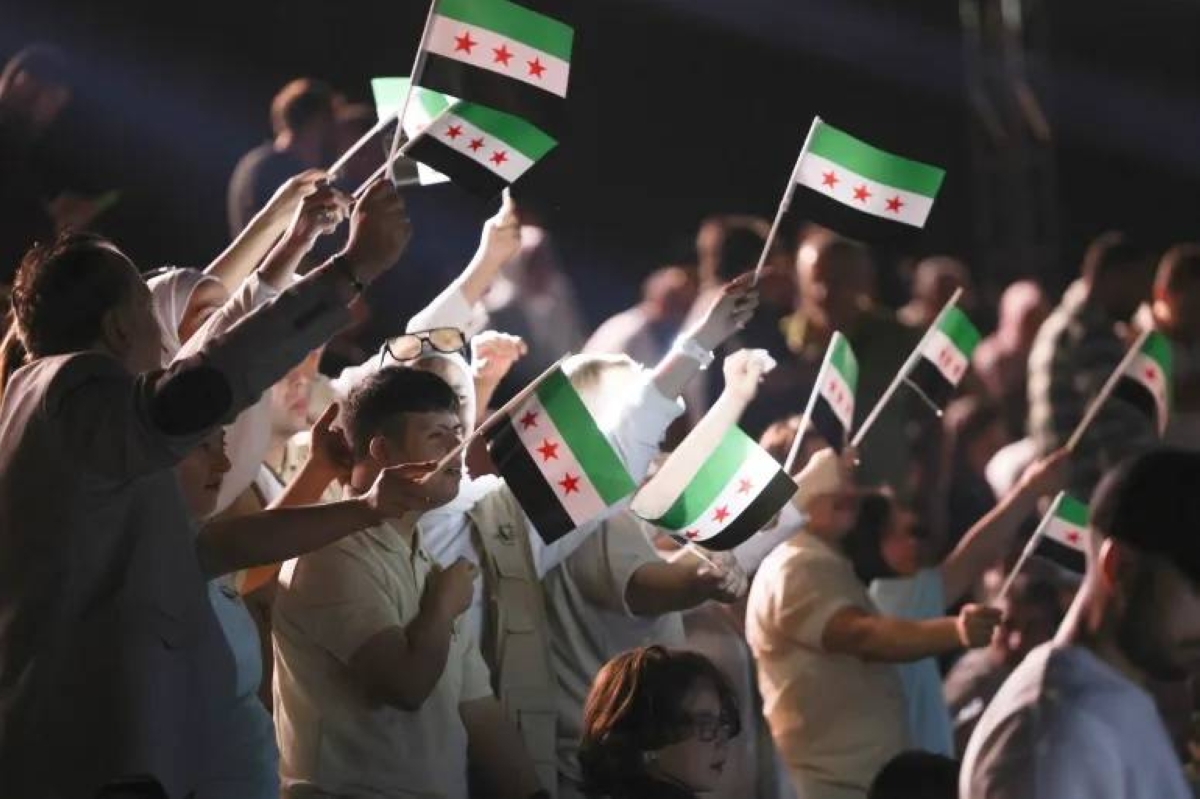
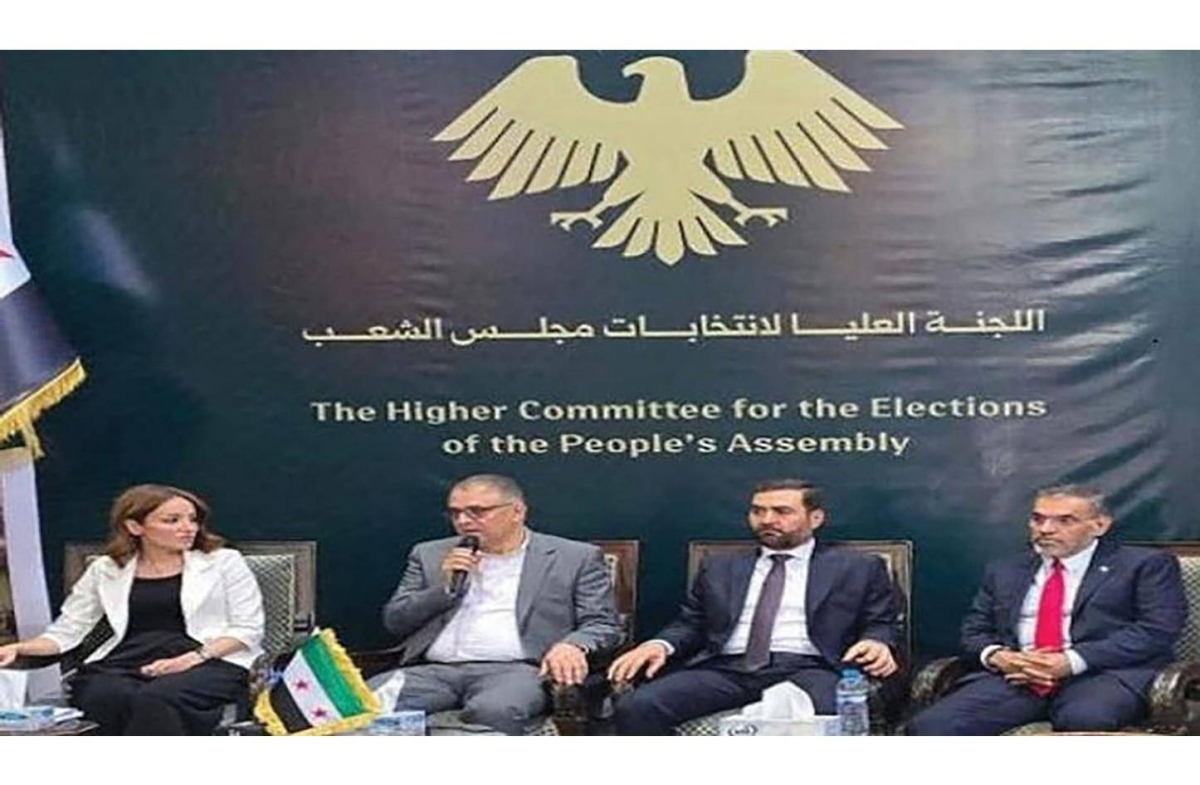
يختار السوريون، اليوم (الأحد)، نوابهم في مجلس الشعب، في أول انتخابات برلمانية منذ سقوط نظام الرئيس السابق بشار الأسد. ونقلت الوكالة العربية السورية للأنباء (سانا)، أمس (السبت)، عن المتحدث باسم اللجنة العليا للانتخابات نوار نجمة قوله: «إن أعضاء الهيئات الناخبة يبدأون عند الساعة التاسعة من صباح اليوم، بالتوافد إلى مراكز الاقتراع وإبراز أوراقهم الثبوتية، ليتسلّموا بطاقاتهم الانتخابية، ثم يتوجّهون إلى رؤساء اللجان الفرعية ليأخذوا الورقة الانتخابية المختومة رسمياً. وأضاف نجمة أنه بعد الحصول على الورقة الانتخابية يدخل عضو الهيئة الناخبة إلى غرفة الاقتراع السري ويقوم بتجهيز ورقته، ويكون التصويت ضمن صندوق الاقتراع بشكل علني».
وأفاد بأن عملية الاقتراع تنتهي عند الساعة الثانية عشرة ظهراً بشكل مبدئي، وفي حال لم يُدلِ جميع أعضاء الهيئة الناخبة بأصواتهم يمكن تمديد عملية الاقتراع كحد أقصى حتى الساعة الرابعة بعد الظهر. وأفصح بأن النتائج الرسمية ستعلن من خلال مؤتمر صحفي رسمي يعقد الإثنين أو الثلاثاء القادم.
وكان رئيس اللجنة العليا للانتخابات، أعلن أن عدد المرشحين يبلغ 1,568 يتنافسون على 140 مقعداً، وتأجل إجراء الانتخابات في محافظة الرقة ومنطقة رأس العين في محافظة الحسكة إلى الأحد بعد القادم أو الذي يليه، في حين بقيت أغلب دوائر محافظة الحسكة والسويداء مؤجلة لحين استقرار الأوضاع في المنطقة. ومن اللافت في هذه الانتخابات مشاركة شخصية يهودية لأول مرة منذ عام 1967 ويدعى هنري حمرة.
ويتكون المجلس الجديد من 210 أعضاء، منهم 140 يُختارون عبر لجان فرعية وهيئات ناخبة في المرحلة الأولى، وتتمثل المرحلة الثانية بالانتخابات داخل كل دائرة، على أن يُعين الثلث المتبقي بمرسوم من رئيس الجمهورية.
وتشكل الكفاءات وأصحاب التخصصات المتنوعة 70% من الهيئات الناخبة، مقابل 30% من أعيان ووجهاء يمثلون شرائح اجتماعية واسعة. وتبلغ مدة ولاية مجلس الشعب 30 شهراً قابلة للتجديد، ضمن مرحلة انتقالية تمتد إلى 4 سنوات مع إمكانية تمديدها سنة إضافية. ويتولى المجلس الجديد مهمات اقتراح القوانين وإقرارها، وتعديل أو إلغاء القوانين السابقة، والمصادقة على المعاهدات الدولية، وإقرار الموازنة العامة للدولة، والعفو العام.
ويتولى المجلس أيضاً دوراً تأسيسياً عبر تشكيل لجنة لإعداد دستور دائم يُنتظر أن يُعرض على استفتاء عام عندما تتوفر ظروف الأمن والاستقرار بهدف وصوله إلى جميع المواطنين، وبعد اعتماده تُجرى انتخابات برلمانية ومحلية ورئاسية.
أول انتخابات تحت قيادة الشرع لمدة 3 ساعات.. السوريون يختارون نوابهم
5 أكتوبر 2025 - 01:09
|
آخر تحديث 5 أكتوبر 2025 - 01:09


تابع قناة عكاظ على الواتساب
«عكاظ» (دمشق) okaz_online@
Syrians are choosing their representatives in the People's Assembly today (Sunday), in the first parliamentary elections since the fall of the regime of former President Bashar al-Assad. The Syrian Arab News Agency (SANA) reported yesterday (Saturday) that the spokesperson for the Higher Election Committee, Nawar Najma, stated: "Members of the electoral bodies will begin arriving at polling stations at nine o'clock this morning, presenting their identification papers to receive their voting cards, and then they will head to the heads of the sub-committees to receive the officially sealed ballot paper." Najma added that after obtaining the ballot paper, the member of the electoral body enters the secret ballot room to prepare their paper, and the voting is done in a public ballot box.
He indicated that the voting process will initially end at twelve noon, and if not all members of the electoral body cast their votes, the voting process can be extended at most until four o'clock in the afternoon. He revealed that the official results will be announced through a press conference held next Monday or Tuesday.
The head of the Higher Election Committee announced that the number of candidates is 1,568 competing for 140 seats, and the elections in the Raqqa Governorate and the Ras al-Ain area in the Hasakah Governorate have been postponed to the Sunday after next or the one following it, while most districts in the Hasakah and Sweida Governorates remain postponed until the situation stabilizes in the region. Notably, this election sees the participation of a Jewish figure for the first time since 1967, named Henry Hamra.
The new council consists of 210 members, of whom 140 are elected through sub-committees and electoral bodies in the first phase, while the second phase involves elections within each district, with the remaining third appointed by a decree from the President of the Republic.
Competencies and individuals with diverse specializations make up 70% of the electoral bodies, compared to 30% of notables and dignitaries representing broad social segments. The term of the People's Assembly is 30 months, renewable, within a transitional phase extending to 4 years, with the possibility of extending it for an additional year. The new council will undertake the tasks of proposing and approving laws, amending or repealing previous laws, ratifying international treaties, approving the state budget, and granting general amnesty.
The council will also play a foundational role by forming a committee to prepare a permanent constitution, which is expected to be presented for a public referendum when security and stability conditions are met, aiming to reach all citizens. After its adoption, parliamentary, local, and presidential elections will be held.
He indicated that the voting process will initially end at twelve noon, and if not all members of the electoral body cast their votes, the voting process can be extended at most until four o'clock in the afternoon. He revealed that the official results will be announced through a press conference held next Monday or Tuesday.
The head of the Higher Election Committee announced that the number of candidates is 1,568 competing for 140 seats, and the elections in the Raqqa Governorate and the Ras al-Ain area in the Hasakah Governorate have been postponed to the Sunday after next or the one following it, while most districts in the Hasakah and Sweida Governorates remain postponed until the situation stabilizes in the region. Notably, this election sees the participation of a Jewish figure for the first time since 1967, named Henry Hamra.
The new council consists of 210 members, of whom 140 are elected through sub-committees and electoral bodies in the first phase, while the second phase involves elections within each district, with the remaining third appointed by a decree from the President of the Republic.
Competencies and individuals with diverse specializations make up 70% of the electoral bodies, compared to 30% of notables and dignitaries representing broad social segments. The term of the People's Assembly is 30 months, renewable, within a transitional phase extending to 4 years, with the possibility of extending it for an additional year. The new council will undertake the tasks of proposing and approving laws, amending or repealing previous laws, ratifying international treaties, approving the state budget, and granting general amnesty.
The council will also play a foundational role by forming a committee to prepare a permanent constitution, which is expected to be presented for a public referendum when security and stability conditions are met, aiming to reach all citizens. After its adoption, parliamentary, local, and presidential elections will be held.


