بعد موافقة حماس على الخطة الأمريكية بشأن غزة، تتجه أنظار الرأي العام الإقليمي والدولي إلى الخطوات القادمة، وسط مخاوف من تعثر التنفيذ.
وأعلنت حماس، مساء الجمعة، أنها سلمت ردها على خطة ترمب بشأن غزة للوسطاء، معلنة موافقتها على الإفراج عن جميع الأسرى الإسرائيليين الأحياء والأموات.
وجددت الحركة موافقتها على تسليم إدارة القطاع لهيئة فلسطينية من المستقلين (تكنوقراط) بناء على التوافق الوطني الفلسطيني.
وتنطلق في القاهرة اليوم (الأحد) مفاوضات بمشاركة أمريكية - إسرائيلية لوضع آليات تنفيذ المرحلة الأولى من الخطة، المتمثلة في وقف إطلاق النار والشروع في صفقة تبادل الأسرى، وهي خطوة تشكل اختباراً حقيقياً لجدية الأطراف كافة.
وتجري المرحلة الأولى من الخطة على مدى 72 ساعة، وتشمل صفقة تبادل أسرى يشرف عليها وفد إسرائيلي يُرجح أن يرأسه الوزير ديرمر بمشاركة غال هيرش المسؤول عن ملف الأسرى.
ورغم حالة الزخم العربي والغربي للخطة الجديدة التي تحمل هذه المرة توقيع الرئيس الأمريكي نفسه، وهو الذي أصدر الأمر بوقف إطلاق النار بعد رد حماس، إضافة إلى ترحيب دولي واسع، الأمر الذي يجعل من الصعب على إسرائيل أو غيرها التنصل من تنفيذها.
ورغم هذا الزخم، فإن الشكوك تحيط برئيس وزراء الاحتلال بنيامين نتنياهو، الذي عُرف بنقض الاتفاقات حتى مع حلفائه، وهو ما يثير مخاوف الفلسطينيين من احتمال عرقلة التنفيذ، بيد أن الضغوط الأمريكية والدولية، مقرونة بموافقة فلسطينية موحدة، قد تجعل فرص المضي قدماً في تنفيذ الصفقة أكبر من ذي قبل وتحول دون انهيارها هذه المرة.
وفي حال مضي المرحلة الأولى بسلاسة، فإنها ستكون مؤشراً قوياً على إمكانية استمرار الخطة وفق البرنامج الموضوع، وبينما تركز إسرائيل على استعادة 20 أسيراً إسرائيلياً أحياء خلال الساعات الأولى، يتمسك الجانب الفلسطيني بضمان وقف كامل لإطلاق النار قبل أي خطوة قادمة.
بعد موافقة حماس.. ما الخطوات القادمة لتنفيذ خطة غزة؟
4 أكتوبر 2025 - 18:57
|
آخر تحديث 4 أكتوبر 2025 - 18:57
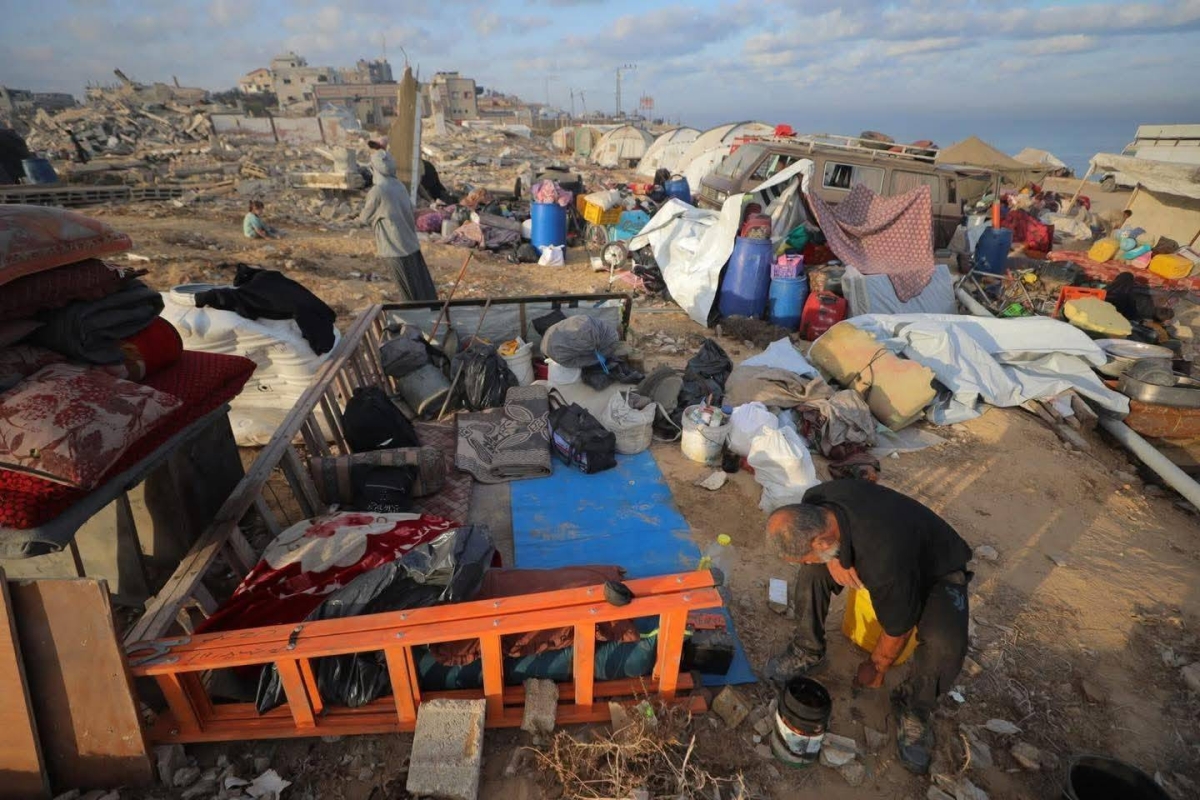
فلسطينيون في العراء.


تابع قناة عكاظ على الواتساب
«عكاظ»، وكالات (غزة، عواصم) okaz_online@
After Hamas agreed to the American plan regarding Gaza, the eyes of regional and international public opinion are turning to the next steps, amid fears of implementation stumbling.
Hamas announced on Friday evening that it had delivered its response to Trump's plan regarding Gaza to the mediators, declaring its agreement to release all living and deceased Israeli prisoners.
The movement reiterated its agreement to hand over the administration of the sector to a Palestinian body of independents (technocrats) based on Palestinian national consensus.
Negotiations are set to begin in Cairo today (Sunday) with American-Israeli participation to establish mechanisms for implementing the first phase of the plan, which consists of a ceasefire and the initiation of a prisoner exchange deal, a step that represents a real test of the seriousness of all parties involved.
The first phase of the plan will take place over 72 hours and includes a prisoner exchange deal overseen by an Israeli delegation likely to be headed by Minister Dermer, with participation from Gal Hirsch, who is responsible for the prisoners' file.
Despite the Arab and Western momentum for the new plan, which this time bears the signature of the American president himself—who issued the order for a ceasefire after Hamas's response—along with widespread international welcome, it makes it difficult for Israel or others to evade its implementation.
Despite this momentum, doubts surround the Prime Minister of the occupation, Benjamin Netanyahu, who is known for breaking agreements even with his allies, raising concerns among Palestinians about the possibility of hindering implementation. However, American and international pressures, coupled with unified Palestinian approval, may increase the chances of moving forward with the deal more than before and prevent its collapse this time.
If the first phase proceeds smoothly, it will be a strong indicator of the possibility of continuing the plan according to the established program. While Israel focuses on recovering 20 living Israeli prisoners in the early hours, the Palestinian side insists on guaranteeing a complete ceasefire before any further steps.
Hamas announced on Friday evening that it had delivered its response to Trump's plan regarding Gaza to the mediators, declaring its agreement to release all living and deceased Israeli prisoners.
The movement reiterated its agreement to hand over the administration of the sector to a Palestinian body of independents (technocrats) based on Palestinian national consensus.
Negotiations are set to begin in Cairo today (Sunday) with American-Israeli participation to establish mechanisms for implementing the first phase of the plan, which consists of a ceasefire and the initiation of a prisoner exchange deal, a step that represents a real test of the seriousness of all parties involved.
The first phase of the plan will take place over 72 hours and includes a prisoner exchange deal overseen by an Israeli delegation likely to be headed by Minister Dermer, with participation from Gal Hirsch, who is responsible for the prisoners' file.
Despite the Arab and Western momentum for the new plan, which this time bears the signature of the American president himself—who issued the order for a ceasefire after Hamas's response—along with widespread international welcome, it makes it difficult for Israel or others to evade its implementation.
Despite this momentum, doubts surround the Prime Minister of the occupation, Benjamin Netanyahu, who is known for breaking agreements even with his allies, raising concerns among Palestinians about the possibility of hindering implementation. However, American and international pressures, coupled with unified Palestinian approval, may increase the chances of moving forward with the deal more than before and prevent its collapse this time.
If the first phase proceeds smoothly, it will be a strong indicator of the possibility of continuing the plan according to the established program. While Israel focuses on recovering 20 living Israeli prisoners in the early hours, the Palestinian side insists on guaranteeing a complete ceasefire before any further steps.