اتهمت وزارة الموارد المائية والري المصرية، إثيوبيا بالتهور في إدارة سد النهضة «غير الشرعي»، وتهديد أمن واستقرار شعوب دول المصب.
وأفادت الوزارة في بيان، اليوم (الجمعة)، بأنها تتابع تطورات فيضان نهر النيل لهذا العام، وما ارتبط بها من تصرفات إثيوبية أحادية متهورة تفتقر إلى أبسط قواعد المسؤولية والشفافية، وتمثل تهديداً مباشراً لحياة وأمن شعوب دول المصب.
استغلال سياسي للمياه
وقالت وزارة الري المصرية إن الممارسات الأثيوبية تكشف بما لا يدع مجالاً للشك زيف الادعاءات المتكررة بعدم الإضرار بالغير، وأنها لا تعدو كونها استغلالاً سياسياً للمياه على حساب الأرواح والأمن الإقليمي.
وحول ما يتعلق بالموقف المائي بأعالي النيل، تشير البيانات، بحسب الوزارة، إلى أن مياه نهر النيل تنبع من 3 روافد رئيسية، هي النيل الأبيض، النيل الأزرق، ونهر عطبرة، وأوضحت أن فيضان النيل الأزرق يأتي خلال الفترة من يوليو وحتى أكتوبر من كل عام، وتبلغ ذروته عادة في شهر أغسطس.
سد النهضة الإثيوبي
فيضان أعلى من المتوسط
وأشارت البيانات إلى أن وضع الفيضان لهذا العام عند مصادره الرئيسية الثلاثة أعلى من المتوسط بنحو 25%، إلا أنه أقل من العام الماضي، الذي عُد فيضاناً مرتفعاً، حتى الآن، قائلة: إنه من الناحية الفنية، كان من المفترض أن تبدأ أثيوبيا في تخزين المياه بسدها بشكل تدريجي منذ بداية يوليو وحتى نهاية أكتوبر، ثم تقوم بتصريفها بشكل منظم لتوليد الكهرباء على مدار العام، بما يتسق مع ما تدعيه مراراً بشأن فوائد السد في تنظيم الفيضان وحماية السودان من الغرق وتوفير الكهرباء للشعب الأثيوبي.
مخالفة القواعد الفنية
وجاء في بيان الوزارة: أنه في نهاية أغسطس لوحظ أن مشغلي السد الأثيوبي خالفوا القواعد الفنية والعلمية المتعارف عليها، إذ قاموا بتخزين كميات أكبر من المتوقع من مياه الفيضان مع تقليل التصريفات من نحو 280 مليون م³ إلى 110 ملايين م³ يوم 8 سبتمبر 2025.
وأكدت أن هذه التصرفات تنم عن توجه أثيوبي متعجل نحو إتمام الملء بصورة غير منضبطة، بغرض الوصول إلى منسوب 640 متراً فوق سطح البحر، ثم فتح المفيض الأوسط ومفيض الطوارئ لساعات معدودة لاستخدامها فقط كـ«لقطة إعلامية» واستعراض سياسي فيما سُمي باحتفال افتتاح السد، بعيداً عن أي اعتبار للسلامة المائية أو مصالح دول المصب.
وذكرت الوزارة المصرية أن هذه التقديرات تأكدت بما حدث فعلياً؛ إذ عمد المشغل الأثيوبي عقب انتهاء ما سُمي بالاحتفال يوم 10 سبتمبر إلى تصريف كميات ضخمة من المياه، بلغت 485 مليون م³ في يوم واحد، تلتها زيادات مفاجئة وغير مبررة في التصريفات وصلت إلى 780 مليون م³ يوم 27 سبتمبر، ثم انخفضت إلى 380 مليون م³ يوم 30 سبتمبر. وأضافت أن التقديرات الخاصة بمناسيب السد الأثيوبي أظهرت انخفاض المنسوب بما يقارب متراً واحداً، وهو ما يعادل تصريف نحو 2 مليار م³ من المياه المخزنة دون مبرر، بخلاف التصرفات الناتجة عن الفيضان نفسه، وهو ما فاقم كميات المياه المنصرفة وأكد الطبيعة غير المنضبطة والعشوائية لإدارة السد.
إغراق مساحات من الأراضي الزراعية
وحسب بيان الوزارة، فإن التقاء هذه الكميات الكبيرة وغير المتوقعة من المياه أدى في هذا التوقيت من العام، مع تأخر واختلاف مواعيد سقوط الأمطار داخل السودان، فضلاً عن ارتفاع إيراد النيل الأبيض عن معدلاته الطبيعية، إلى زيادة مفاجئة في كميات المياه نتج عنها إغراق مساحات من الأراضي الزراعية وغمر العديد من القرى السودانية.
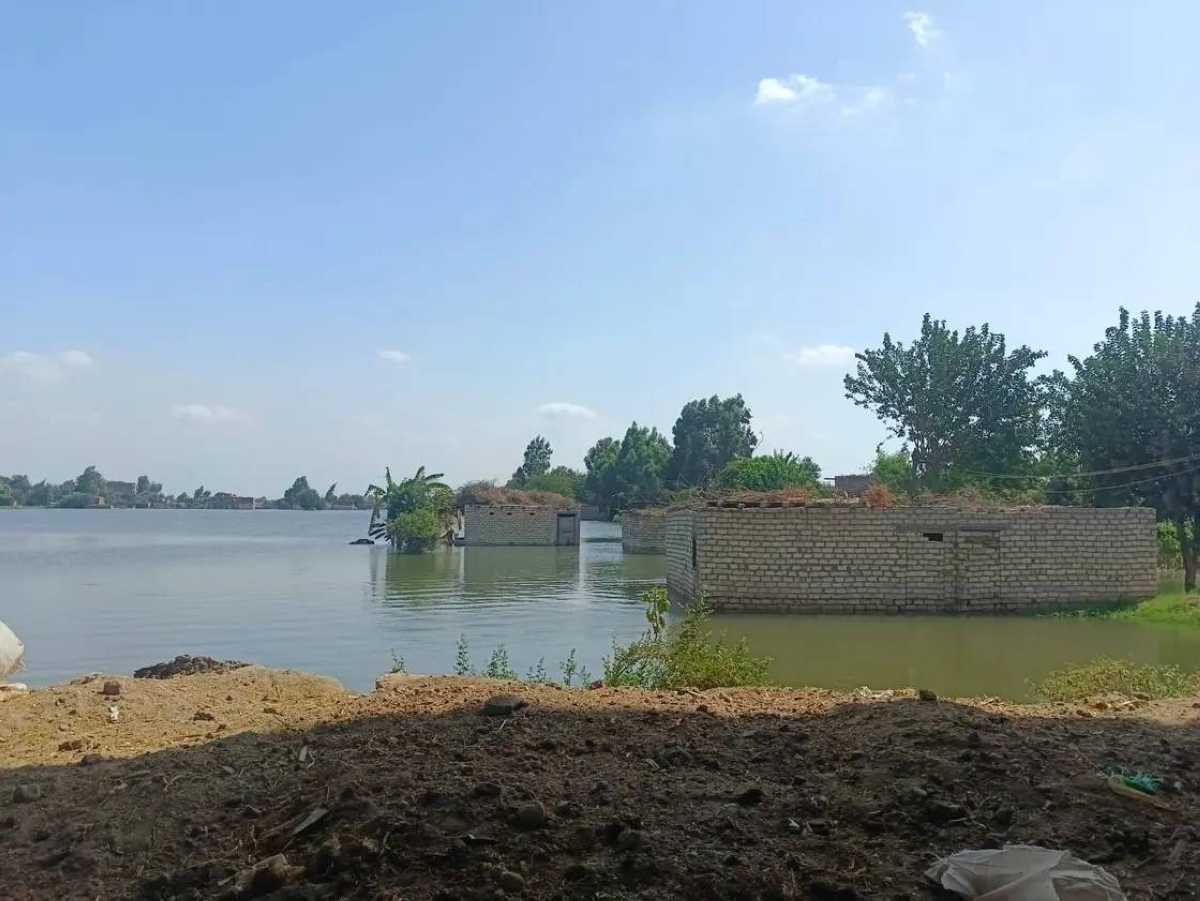
وشهدت قرية «دلهمو» بمحافظة المنوفية، صباح اليوم ارتفاع منسوب مياه نهر النيل بشكل غير مسبوق، ما أدى إلى غمر مساحات واسعة من أراضي طرح النهر والأراضي الزراعية وعدد من المنازل، ما تسبب في خسائر فادحة قدرت مبدئيا بـ 900 فدان من الأراضي المزروعة.
The Egyptian Ministry of Water Resources and Irrigation accused Ethiopia of recklessness in managing the "illegitimate" Grand Ethiopian Renaissance Dam and threatening the security and stability of the downstream countries' populations.
The ministry stated in a statement today (Friday) that it is monitoring the developments of the Nile River flood this year, along with the reckless unilateral actions taken by Ethiopia that lack the most basic principles of responsibility and transparency, representing a direct threat to the lives and security of the populations of the downstream countries.
Political Exploitation of Water
The Egyptian Irrigation Ministry said that Ethiopia's practices clearly reveal the falsehood of repeated claims of not harming others, and that they are merely a political exploitation of water at the expense of lives and regional security.
Regarding the water situation in the upper Nile, the data, according to the ministry, indicates that the Nile River flows from three main tributaries: the White Nile, the Blue Nile, and the Atbara River. It clarified that the Blue Nile flood occurs from July to October each year, peaking usually in August.
سد النهضة الإثيوبي
Flood Above Average
The data indicated that the flood situation this year at its three main sources is about 25% above average, although it is lower than last year, which was considered a high flood. It stated that technically, Ethiopia was supposed to start gradually storing water in its dam from the beginning of July until the end of October, and then release it systematically to generate electricity throughout the year, in line with what it repeatedly claims about the dam's benefits in regulating floods, protecting Sudan from flooding, and providing electricity for the Ethiopian people.
Violation of Technical Rules
The ministry's statement noted that by the end of August, it was observed that the operators of the Ethiopian dam violated the recognized technical and scientific rules, as they stored larger amounts of floodwater than expected while reducing discharges from about 280 million m³ to 110 million m³ on September 8, 2025.
It confirmed that these actions indicate a hasty Ethiopian approach to completing the filling in an uncontrolled manner, aiming to reach a level of 640 meters above sea level, then opening the middle spillway and emergency spillway for only a few hours to use it as a "media shot" and a political showcase during what was called the dam's inauguration celebration, disregarding any consideration for water safety or the interests of the downstream countries.
The Egyptian ministry mentioned that these estimates were confirmed by what actually happened; as the Ethiopian operator, after the so-called celebration ended on September 10, discharged massive amounts of water, reaching 485 million m³ in one day, followed by sudden and unjustified increases in discharges that reached 780 million m³ on September 27, then dropped to 380 million m³ on September 30. It added that the estimates regarding the levels of the Ethiopian dam showed a decrease of nearly one meter, which is equivalent to discharging about 2 billion m³ of stored water without justification, aside from the discharges resulting from the flood itself, which exacerbated the amounts of water discharged and confirmed the uncontrolled and random nature of the dam's management.
Flooding Agricultural Lands
According to the ministry's statement, the convergence of these large and unexpected amounts of water at this time of year, along with the delay and variation in rainfall in Sudan, in addition to the increased inflow of the White Nile above its normal rates, led to a sudden increase in water quantities that resulted in flooding large areas of agricultural land and submerging many Sudanese villages.
The village of "Delhamo" in the Menoufia Governorate witnessed this morning an unprecedented rise in the water level of the Nile River, which led to the flooding of vast areas of riverbank land, agricultural lands, and several homes, resulting in significant losses initially estimated at 900 acres of cultivated land.