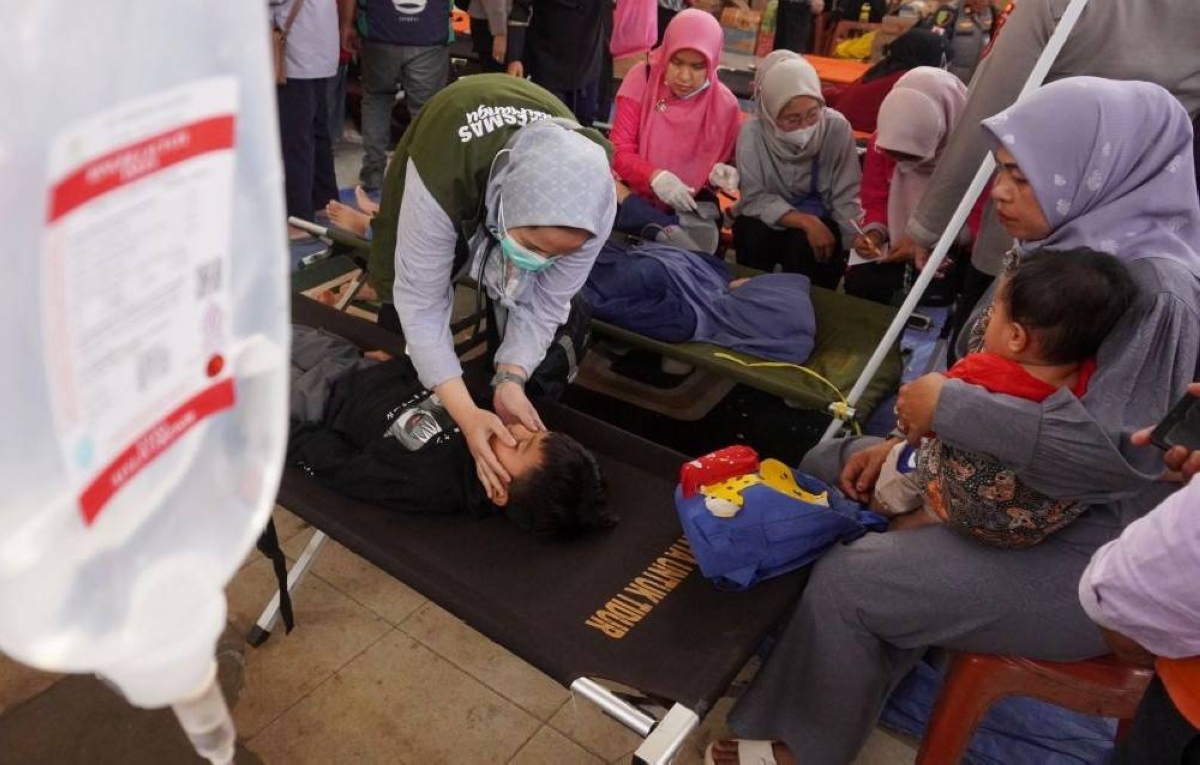
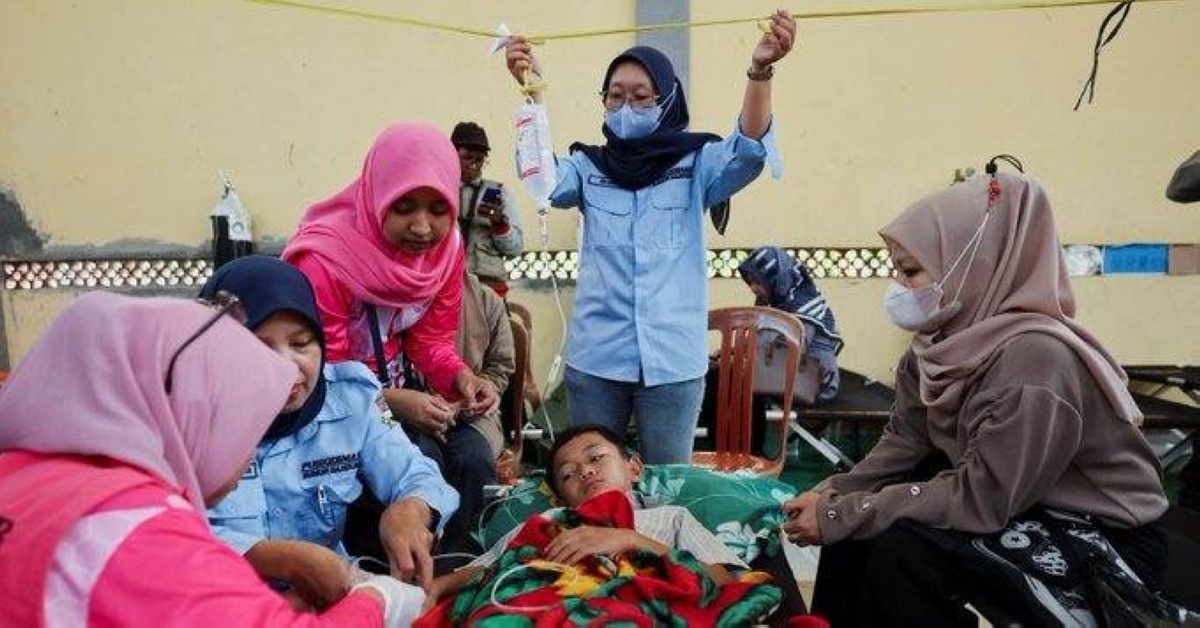
في ضربة قاسية لأحد أبرز البرامج الحكومية في إندونيسيا، أعلنت وكالة الغذاء والدواء الإندونيسية أمس (الأربعاء) أن أكثر من 9 آلاف طفل تعرضوا للتسمم الغذائي بعد تناول وجبات مدرسية مجانية خلال العام الجاري، وهو رقم يفوق التقديرات السابقة التي كانت تراوح بين 5 آلاف و6 آلاف حالة.
وأثارت هذه الحصيلة الكارثية، التي تشمل حالات شديدة أدت إلى دخول مئات الأطفال المستشفيات، غضباً شعبياً واسعاً ودفعت المشرّعين والمنظمات غير الحكومية إلى المطالبة الفورية بتحسين معايير سلامة الأغذية، بل وتعليق البرنامج مؤقتاً لإجراء تحقيق شامل.
وبدأت الأزمة تتفاقم في الأسابيع الأخيرة، إذ سجلت الوكالة أكثر من 70 حادثة تسمم غذائي مرتبطة بالوجبات المدرسية في مناطق متعددة مثل جاوة الغربية وسولاويزي الوسطى، وفي 25 سبتمبر وحده، أصيب أكثر من ألف طفل في مقاطعة جاوة الغربية بأعراض حادة مثل الإسهال والقيء والصداع بعد تناول وجبات تحتوي على دجاج بالصلصة الصويا وتوفو مقلي وخضروات.
تعليق عمل 56 مطبخاً مدرسياً
ووفقاً لتقارير الوكالة الوطنية للتغذية، التي تشرف على البرنامج، أدت هذه الحوادث إلى تعليق عمل 56 مطبخاً مدرسياً فورياً، مع حظر استخدام الأطعمة المعالجة وإغلاق المطابخ غير المعتمدة صحياً بحلول الشهر القادم.
يأتي هذا البرنامج، المعروف باسم «برنامج الوجبات المدرسية» كأحد أهم وعود الرئيس برابوو سوبريانتي خلال حملته الانتخابية في 2024، إذ وعد بتوفير وجبات مجانية مغذية لـ82.9 مليون طفل مدرسي، إضافة إلى النساء الحوامل والمسنين، لمكافحة سوء التغذية المنتشر في إندونيسيا، الدولة الأكثر اكتظاظاً بالسكان في جنوب شرق آسيا، حيث يعاني نحو 27% من الأطفال من قصور غذائي.
وانطلق البرنامج في 6 يناير 2025 بميزانية هائلة تصل إلى 28 مليار دولار أمريكي بحلول نهاية الولاية الرئاسية في 2029، ويغطي حالياً أكثر من 15 مليون طالب، مع خطط للوصول إلى 20 مليوناً بحلول أغسطس 2026.
ومنذ إطلاق البرنامج سرعان ما تحول إلى مصدر قلق صحي، حيث سجلت السلطات أكثر من 1,376 حالة تسمم غذائي مرتبطة بالمدارس بين يناير ويونيو، وارتفع العدد إلى أكثر من 5,914 حالة بحلول 25 سبتمبر، ثم إلى 9 آلاف طفل وفقاً لتقديرات وكالة الغذاء والدواء الإندونيسية.
In a severe blow to one of Indonesia's most prominent government programs, the Indonesian Food and Drug Agency announced yesterday (Wednesday) that more than 9,000 children have suffered from food poisoning after consuming free school meals this year, a figure that exceeds previous estimates which ranged between 5,000 and 6,000 cases.
This catastrophic toll, which includes severe cases that led to hundreds of children being hospitalized, has sparked widespread public outrage and prompted lawmakers and non-governmental organizations to urgently demand improvements in food safety standards, even calling for the temporary suspension of the program to conduct a thorough investigation.
The crisis has escalated in recent weeks, with the agency recording more than 70 incidents of food poisoning linked to school meals in various regions such as West Java and Central Sulawesi. On September 25 alone, over a thousand children in West Java province exhibited severe symptoms such as diarrhea, vomiting, and headaches after consuming meals that included chicken in soy sauce, fried tofu, and vegetables.
Suspension of 56 School Kitchens
According to reports from the National Nutrition Agency, which oversees the program, these incidents have led to the immediate suspension of 56 school kitchens, along with a ban on the use of processed foods and the closure of unlicensed kitchens by next month.
This program, known as the "School Meal Program," is one of President Prabowo Subianto's key promises during his 2024 election campaign, as he pledged to provide nutritious free meals for 82.9 million schoolchildren, in addition to pregnant women and the elderly, to combat widespread malnutrition in Indonesia, the most populous country in Southeast Asia, where about 27% of children suffer from nutritional deficiencies.
The program was launched on January 6, 2025, with a massive budget reaching $28 billion by the end of the presidential term in 2029, currently covering over 15 million students, with plans to reach 20 million by August 2026.
Since the program's launch, it has quickly become a health concern, with authorities recording more than 1,376 cases of food poisoning linked to schools between January and June, and the number rising to over 5,914 cases by September 25, then to 9,000 children according to estimates from the Indonesian Food and Drug Agency.