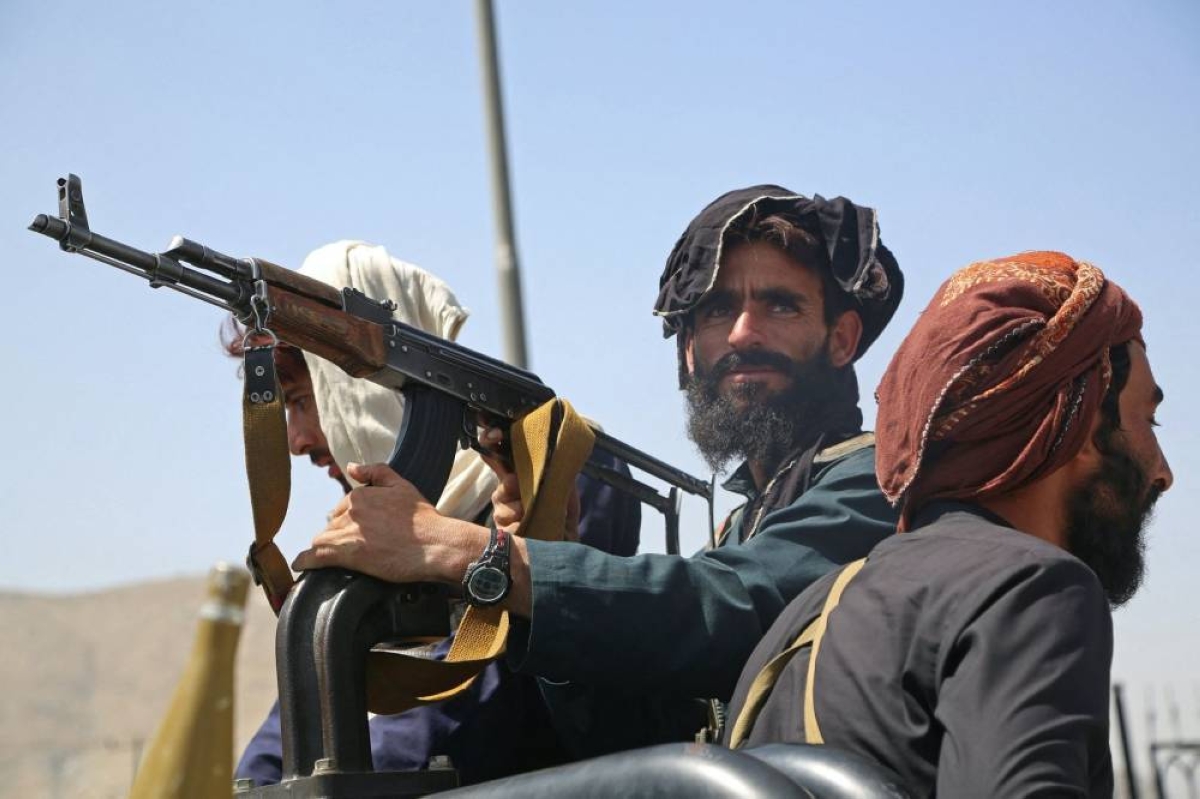
لليوم الثاني على التوالي، قطعت سلطات طالبان شبكة الألياف البصرية، موقفة خدمة الاتصالات والإنترنت في أفغانستان، اليوم(الثلاثاء). وبدأت سلطات طالبان قطع الاتصالات والإنترنت عن بعض الولايات في وقت سابق من الشهر الجاري لمنع ما وصفته بـ «الرذيلة».
فصل متعمد للخدمة
وضعفت ليل الإثنين الثلاثاء، إشارة الهاتف المحمول وخدمة الإنترنت تدريجيا حتى أصبحت نسبة «الاتصال الوطني الإجمالي أقل من 1 % (من المستويات الطبيعية)، ما يجعل الأمر انقطاعا شاملا»، بحسب ما أعلنت منظمة «نتبلوكس» لرصد الإنترنت والأمن السيبراني. وقالت «نتبلوكس» إن «قطعا شاملا لخدمة الاتصالات بدأ على مستوى البلاد»، مشيرة إلى أن الواقعة «تتوافق مع فصل متعمّد للخدمة».
يذكر أن هذه المرة الأولى التي تقطع فيها الاتصالات منذ عودة طالبان إلى الحكم في 2021 وفرضها قوانين مشددة.
السوق في حالة شلل
صاحب أحد المتاجر في كابول يدعيى نجيب الله، قال: نحن مثل المصابين بالعمى من دون هواتف وإنترنت، مضيفا: أعمالنا تعتمد على الهاتف. يتم توصيل الطلبات عبر الهاتف. الأمر أشبه بعطلة، الجميع في منازلهم. السوق في حالة شلل.
وأعلن مصدر حكومي أن الانقطاع سيستمر حتى إشعار آخر، مؤكدا أن الخدمة سيتم قطعها، سيحدث ذلك تدريجا الليلة، هناك ما بين ثمانية إلى تسعة آلاف عمود اتصالات سيتم قطع خدمتها. ولفت إلى أنه ليست هناك أي وسيلة أو نظام آخر للاتصال، سيتأثر القطاع المصرفي والجمارك وكل شيء في أنحاء البلاد. وقالت مصادر مطلعة إن شبكات الهاتف المحمول متوقفة بمعظمها.
تجاهل تحذيرات المسؤولين
وكشفت تقارير أن زعيم طالبان تجاهل تحذيرات بعض المسؤولين في وقت سابق من هذا الشهر بشأن التداعيات الاقتصادية لقطع الإنترنت وأمر السلطات بالمضي قدما في حظر على مستوى البلاد.
وأفاد مصدر في الأمم المتحدة بأن العمليات تأثرت بشدة، وقد عادت إلى الاتصالات اللاسلكية ووصلات الأقمار الاصطناعية المحدودة.
وغالبا ما يتم تمرير خدمات الهاتف عبر الإنترنت، باستخدام خطوط الألياف نفسها، خصوصا في البلدان التي تفتقر إلى بنية تحتية قوية للاتصالات.
وكانت اتصالات الإنترنت بطيئة جدا أو متقطعة، خلال الأسابيع القليلة الماضية.
حظر الإنترنت في الشمال
وفي 16 سبتمبر أعلن المتحدث باسم ولاية بلخ في شمال البلاد عطا الله زيد، حظر الإنترنت عبر الألياف الضوئية بالكامل وفصل الشبكة بأمر من القائد الأعلى لطالبان هبة الله أخوندزاده. وكتب على مواقع التواصل الاجتماعي: اتُخذ هذا الإجراء لمكافحة الرذيلة، وسيتم توفير خيارات بديلة في كل أنحاء البلاد لتلبية حاجات الاتصال. وأعلن فرض القيود نفسها في ولايتي بدخشان وتخار الشماليتين، وقندهار وهلمند وننغرهار وأوروزغان في الجنوب.
For the second consecutive day, the Taliban authorities cut the fiber optic network, halting communication and internet services in Afghanistan today (Tuesday). The Taliban authorities began cutting communications and internet services in some provinces earlier this month to prevent what they described as "immorality."
Deliberate Service Disruption
On Monday night into Tuesday, mobile phone signals and internet services gradually weakened until the "total national connectivity dropped below 1% (of normal levels), resulting in a complete outage," according to the internet and cybersecurity monitoring organization "NetBlocks." NetBlocks stated that "a nationwide complete disruption of communication services has begun," noting that the incident "aligns with a deliberate service disruption."
It is worth mentioning that this is the first time communications have been cut since the Taliban returned to power in 2021 and imposed strict laws.
The Market in Paralysis
A shop owner in Kabul named Najibullah said: "We are like the blind without phones and the internet," adding: "Our businesses rely on the phone. Orders are delivered via phone. It's like a holiday; everyone is at home. The market is in paralysis."
A government source announced that the outage will continue until further notice, confirming that the service will be cut, which will happen gradually tonight, with between eight to nine thousand communication poles set to have their services cut. He pointed out that there is no other means or system for communication, which will affect the banking sector, customs, and everything across the country. Informed sources indicated that mobile phone networks are mostly down.
Ignoring Officials' Warnings
Reports revealed that the Taliban leader ignored warnings from some officials earlier this month regarding the economic repercussions of cutting the internet and ordered authorities to proceed with the nationwide ban.
A source at the United Nations reported that operations have been severely affected, and there has been a return to limited wireless communications and satellite links.
Phone services are often routed through the internet, using the same fiber lines, especially in countries lacking strong communication infrastructure.
Internet connections have been very slow or intermittent over the past few weeks.
Internet Ban in the North
On September 16, the spokesperson for Balkh province in the north of the country, Attaullah Zaid, announced a complete ban on internet via fiber optics and the disconnection of the network by order of the Taliban's supreme leader, Hibatullah Akhundzada. He wrote on social media: "This measure has been taken to combat immorality, and alternative options will be provided across the country to meet communication needs." The same restrictions were announced in the northern provinces of Badakhshan and Takhar, as well as Kandahar, Helmand, Nangarhar, and Urozgan in the south.