لاتزال الفجوة كبيرة بين حركة حماس وإسرائيل بشأن بعض البنود الواردة في خطة الرئيس الأمريكي دونالد ترمب لوقف حرب الإبادة على قطاع غزة.
ويعتقد مراقبون سياسيون أن هذه الخلافات تهدد بإمكانية التوصل إلى اتفاق رغم التقدم المبدئي في المفاوضات. وتجمع الخطة التي قد تبدو شاملة على الورق، بين التهدئة وإعادة الإعمار وإصلاح السلطة الفلسطينية، مع مسار سياسي مستقبلي، يؤدي إلى قياد دولة فلسطينية، إلا أن البنود المتعلقة بنزع سلام حماس وعدم مشاركتها في الحكم السلطة، وإنشاء إدارة بديلة لقطاع غزة، لاتزال محل جدل.
اعتراضات إسرائيلية
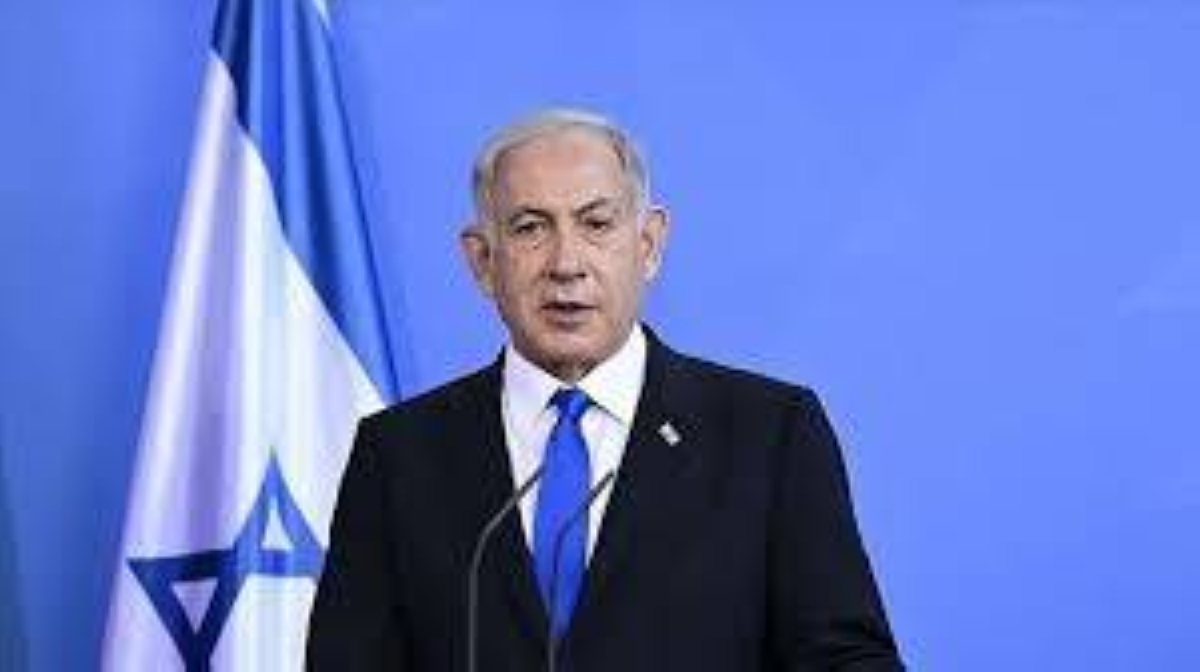
وفي مقابلة مع شبكة «فوكس نيوز» أعلن رئيس وزراء الاحتلال بنيامين نتنياهو رفضه القاطع لعدد من البنود الواردة في الخطة الأمريكية، متحدثا عن شكوكه العميقة في قدرة السلطة الفلسطينية على تنفيذ الإصلاحات الأمنية والإدارية اللازمة للسيطرة على قطاع غزة.
واعتبر البند المتعلق بنزع سلاح حماس «غامض وغير كاف»، خصوصا فيما يتعلق بتعريف «الأسلحة الهجومية»، زاعما أن هذا الغموض ربما يستخدم ضد المصالح الأمنية الإسرائيلية.
وتحفظ نتنياهو على السماح لأعضاء حماس بالعودة إلى القطاع بعد انتهاء الحرب، ورفض بشكل قاطع أي ذكر صريح أو ضمني لـ«الطريق نحو الدولة الفلسطينية»، مدعيا أن يشكل موافقة إسرائيلية فعلية على حل الدولتين، وهو ما يعارضه أيديولوجيا.
ووفق مصادر دبلوماسية، فإن نتنياهو لا يزال مصرا، على تطبيق «السيادة» الإسرائيلية على أجزاء من الضفة الغربية المحتلة، رغم رفض ترمب لمثل هذه الخطوة.
وكشف مصدر مطلع على المفاوضات أنه منذ وصوله إلى الولايات المتحدة، عقد نتنياهو 3 جلسات مكثفة مع المبعوث الأمريكي ستيف ويتكوف في محاولة لسد الفجوات، إلا أن هناك خلافات جوهرية حول الصياغة. وأضاف المصدر: ليس كل البنود مقبولة بالنسبة لنا، ونحن نعمل على إدخال تعديلات جوهرية عليها.
تحفظات حركة حماس
وأبدت حماس بعض التحفظات، معتبرة على لسان مصدر مقرب من الحركة أن بند نزع السلاح معقد وظالم، ويعطل قدرة الفلسطينيين على الدفاع عن أنفسهم، ويمنح إسرائيل غطاء قانونيا لمواصلة اغتيال قادتهم. وحسب المصدر، فإن هذا البند سيواجه مقاومة شعبية وسياسية واسعة في قطاع غزة، لكن حماس عبرت عن عدم ممانعتها مبدئيا في عدم مشاركتها بالحكومة الفلسطينية المؤقتة التي قد تشكل بعد انتهاء الحرب، مؤكدة أن هوية «التكنوقراط» الذين سيتولون إدارة القطاع يجب أن تحظى بموافقة قيادتها. وحذر المصدر من أن أي تشكيل يتم بشكل حصري من قبل السلطة الفلسطينية وبدون توافق وطني سيكون مرفوضا تماما.
وكان الرئيس الأمريكي أعلن أمس (الأحد) في منشور عبر منصته «تروث سوشيال»: «لدينا فرصة حقيقية لتحقيق إنجاز عظيم في الشرق الأوسط. الجميع على أهبة الاستعداد لحدث استثنائي، لأول مرة على الإطلاق. وأضاف» سننجح في إنجاز هذا الأمر.
The gap remains wide between Hamas and Israel regarding some of the items included in U.S. President Donald Trump's plan to stop the genocide in the Gaza Strip.
Political observers believe that these disagreements threaten the possibility of reaching an agreement despite the initial progress in negotiations. The plan, which may seem comprehensive on paper, combines a ceasefire, reconstruction, and reform of the Palestinian Authority with a future political path leading to the establishment of a Palestinian state. However, the items related to disarming Hamas, its non-participation in the governance of the authority, and the establishment of an alternative administration for the Gaza Strip remain contentious.
Israeli Objections
In an interview with Fox News, Israeli Prime Minister Benjamin Netanyahu announced his firm rejection of several items in the U.S. plan, expressing deep doubts about the Palestinian Authority's ability to implement the necessary security and administrative reforms to control the Gaza Strip.
He considered the item related to disarming Hamas to be "vague and insufficient," particularly regarding the definition of "offensive weapons," claiming that this ambiguity could be used against Israeli security interests.
Netanyahu expressed reservations about allowing Hamas members to return to the Gaza Strip after the war, and firmly rejected any explicit or implicit mention of "the path to a Palestinian state," claiming that it would constitute actual Israeli approval of a two-state solution, which he opposes ideologically.
According to diplomatic sources, Netanyahu remains adamant about applying Israeli "sovereignty" over parts of the occupied West Bank, despite Trump's rejection of such a step.
A source familiar with the negotiations revealed that since arriving in the United States, Netanyahu has held three intensive sessions with U.S. envoy Steve Witkoff in an attempt to bridge the gaps, but there are fundamental disagreements regarding the wording. The source added: Not all items are acceptable to us, and we are working to make substantial amendments to them.
Hamas's Reservations
Hamas has expressed some reservations, with a source close to the movement stating that the disarmament clause is complicated and unjust, hindering the Palestinians' ability to defend themselves and providing Israel with legal cover to continue assassinating their leaders. According to the source, this clause will face widespread popular and political resistance in the Gaza Strip. However, Hamas indicated that it does not fundamentally oppose not participating in the interim Palestinian government that may be formed after the war, emphasizing that the identity of the "technocrats" who will manage the sector must receive approval from its leadership. The source warned that any formation made exclusively by the Palestinian Authority without national consensus would be completely rejected.
The U.S. president announced yesterday (Sunday) in a post on his platform "Truth Social": "We have a real opportunity to achieve a great accomplishment in the Middle East. Everyone is on the brink of an extraordinary event, for the first time ever." He added, "We will succeed in accomplishing this."