تحلُّ ذكرى البيعة وسط إنجازات المملكة اللافتة التي لم تتوقف، سواء على الصعيد الداخلي أو الخارجي مع بروز كامل للمواقف تجاه قضايا الأمتين العربية والإسلامية، إضافة لما تشكله من انعكاس واضح لجميع مواقف المملكة بقيادة خادم الحرمين الشريفين الملك سلمان بن عبدالعزيز، وولي عهده الأمير محمد بن سلمان.
في ذكرى البيعة يتم استعراض مواقف المملكة، وتحرك ولي العهد الأمير محمد بن سلمان، وهو ما يأتي انطلاقاً من مواقف السعودية، والدور الذي لم تتوقف الرياض عن ممارسته عند أخطر المنعطفات التي تقف عندها الدول العربية والإسلامية.
الإنجازات التي تشهدها المملكة تتجاوز البعد المحلي، فبموازاة ذلك تبذل القيادة السعودية جهودها من أجل حلحلة العديد من القضايا الإقليمية والدولية وفي مقدمتها عملية السلام في الشرق الأوسط، وأهمية قيام دولة فلسطينية مستقلة عاصمتها القدس الشرقية، والجهود المبذولة على صعيد إنهاء الحروب والتوترات، وتقليل انعكاسات الحرب الروسية الأوكرانية على المنطقة، وتعزيز العلاقات في شتى المجالات بين هذه الدول، ومنها لقاء المصالحة بين أمريكا وروسيا الذي احتضنته الرياض، وكذلك اللقاء بين أوكرانيا وأمريكا.
في ذكرى البيعة، هناك قضايا أساسية لا يمكن إغفالها من الحساب السياسي عندما يتعلق الأمر بأي محاولة لقراءة إنجازات ولي العهد، فالمسألة الأولى إجهاض المؤامرات التي يحاول بها أصحابها تقويض العلاقة بين المملكة وأيٍّ من شقيقاتها، أما الثانية فهي مواصلة تجديد الموقف السعودي بالتأكيد على أنه لم ولن يتخلّى عن دوره السياسي والاقتصادي في دعم الأشقاء العرب والمسلمين، وأما المسألة الثالثة فهي مزدوجة تتعلق بالخطر الذي تعبِّر عنه القوى الإرهابية المتطرفة والخطر الرافض لإتمام عملية السلام.
يمكن ببساطة التقاط ما هو جوهري في مدلولات المواقف السعودية؛ وأبرزها الجهود التي تمارسها الرياض لإنجاز مشروع السلام، وإقامة الدولة الفلسطينية المستقلة، وإظهار مصدر قلق قادة المنطقة تجاه بقاء القضية الفلسطينية دون حل طوال هذه المدة.
وتسجِّل المحافل العربية والإسلامية والدولية اعتماد المملكة قاعدتها الذهبية في التعامل مع قوى الإرهاب وأعوانه، وإصرار الرياض على أن لا مكان ولا حوار مع أي جهة تتستّر بالإسلام لتنفيذ أجندتها الخبيثة، وتغيير الواقع الديمغرافي في المنطقة.
ويعرف الأمير محمد بن سلمان تماماً ما الذي يفعله، وهو يوجّه رسائل سياسية حاسمة بكل الاتجاهات، تستهدف عناصر الفتنة ومصادرها في المنطقة، سواء تلك المتعلقة بجماعة «الإخوان» أو غيرها ممن تملك أجندات خاصة لخلق الفوضى وتوسيع رقعة الإرهاب.
في ذكرى البيعة.. إنجازات داخلية وخارجية تعمّق دور المملكة
25 سبتمبر 2025 - 13:04
|
آخر تحديث 25 سبتمبر 2025 - 13:04
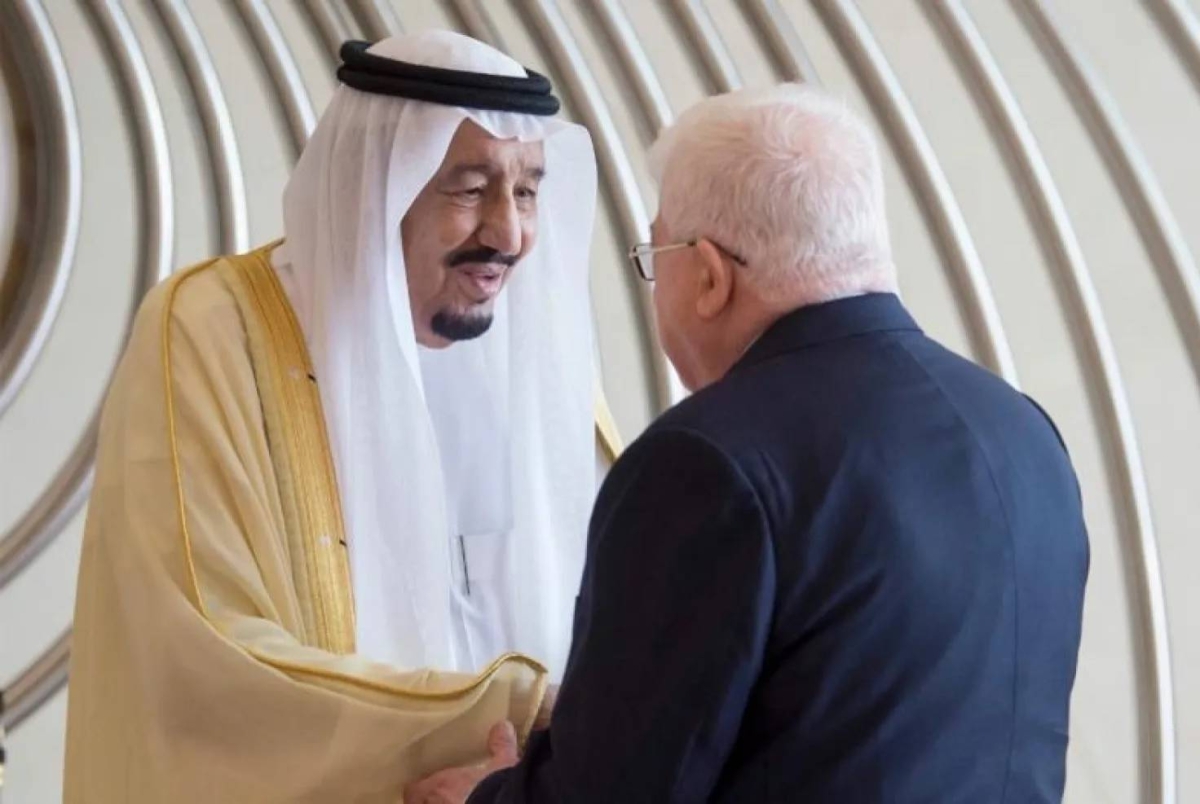
الملك سلمان بن عبدالعزيز


تابع قناة عكاظ على الواتساب
رياض منصور (عمان) riyadmansour@
The anniversary of the pledge occurs amidst the remarkable achievements of the Kingdom that have not ceased, whether on the domestic or international front, with a full emergence of positions regarding the issues of the Arab and Islamic nations. This also reflects all of the Kingdom's stances under the leadership of the Custodian of the Two Holy Mosques, King Salman bin Abdulaziz, and his Crown Prince, Prince Mohammed bin Salman.
On the anniversary of the pledge, the Kingdom's positions are reviewed, along with the actions of Crown Prince Mohammed bin Salman, which stem from Saudi Arabia's stances and the role that Riyadh has not stopped playing at the most critical junctures faced by Arab and Islamic countries.
The achievements witnessed by the Kingdom go beyond the local dimension; alongside this, the Saudi leadership exerts efforts to resolve many regional and international issues, foremost among them the peace process in the Middle East, the importance of establishing an independent Palestinian state with East Jerusalem as its capital, the efforts made to end wars and tensions, reduce the repercussions of the Russian-Ukrainian war on the region, and enhance relations in various fields between these countries, including the reconciliation meeting between America and Russia hosted by Riyadh, as well as the meeting between Ukraine and America.
On the anniversary of the pledge, there are fundamental issues that cannot be overlooked in political calculations when it comes to any attempt to assess the achievements of the Crown Prince. The first issue is thwarting the conspiracies aimed at undermining the relationship between the Kingdom and any of its sister countries. The second is the continued renewal of the Saudi stance, affirming that it has not and will not abandon its political and economic role in supporting Arab and Muslim brothers. The third issue is dual, relating to the danger posed by extremist terrorist forces and the threat that rejects the completion of the peace process.
It is easy to capture what is essential in the implications of Saudi positions; most notably, the efforts exerted by Riyadh to achieve the peace project, establish an independent Palestinian state, and express the concerns of regional leaders regarding the prolonged unresolved status of the Palestinian issue.
The Arab, Islamic, and international forums record the Kingdom's adoption of its golden rule in dealing with the forces of terrorism and their affiliates, and Riyadh's insistence that there is no place or dialogue with any party that hides behind Islam to implement its malicious agenda and alter the demographic reality in the region.
Prince Mohammed bin Salman knows exactly what he is doing, as he sends decisive political messages in all directions, targeting the elements of sedition and their sources in the region, whether related to the "Muslim Brotherhood" or others who have specific agendas to create chaos and expand the scope of terrorism.
On the anniversary of the pledge, the Kingdom's positions are reviewed, along with the actions of Crown Prince Mohammed bin Salman, which stem from Saudi Arabia's stances and the role that Riyadh has not stopped playing at the most critical junctures faced by Arab and Islamic countries.
The achievements witnessed by the Kingdom go beyond the local dimension; alongside this, the Saudi leadership exerts efforts to resolve many regional and international issues, foremost among them the peace process in the Middle East, the importance of establishing an independent Palestinian state with East Jerusalem as its capital, the efforts made to end wars and tensions, reduce the repercussions of the Russian-Ukrainian war on the region, and enhance relations in various fields between these countries, including the reconciliation meeting between America and Russia hosted by Riyadh, as well as the meeting between Ukraine and America.
On the anniversary of the pledge, there are fundamental issues that cannot be overlooked in political calculations when it comes to any attempt to assess the achievements of the Crown Prince. The first issue is thwarting the conspiracies aimed at undermining the relationship between the Kingdom and any of its sister countries. The second is the continued renewal of the Saudi stance, affirming that it has not and will not abandon its political and economic role in supporting Arab and Muslim brothers. The third issue is dual, relating to the danger posed by extremist terrorist forces and the threat that rejects the completion of the peace process.
It is easy to capture what is essential in the implications of Saudi positions; most notably, the efforts exerted by Riyadh to achieve the peace project, establish an independent Palestinian state, and express the concerns of regional leaders regarding the prolonged unresolved status of the Palestinian issue.
The Arab, Islamic, and international forums record the Kingdom's adoption of its golden rule in dealing with the forces of terrorism and their affiliates, and Riyadh's insistence that there is no place or dialogue with any party that hides behind Islam to implement its malicious agenda and alter the demographic reality in the region.
Prince Mohammed bin Salman knows exactly what he is doing, as he sends decisive political messages in all directions, targeting the elements of sedition and their sources in the region, whether related to the "Muslim Brotherhood" or others who have specific agendas to create chaos and expand the scope of terrorism.