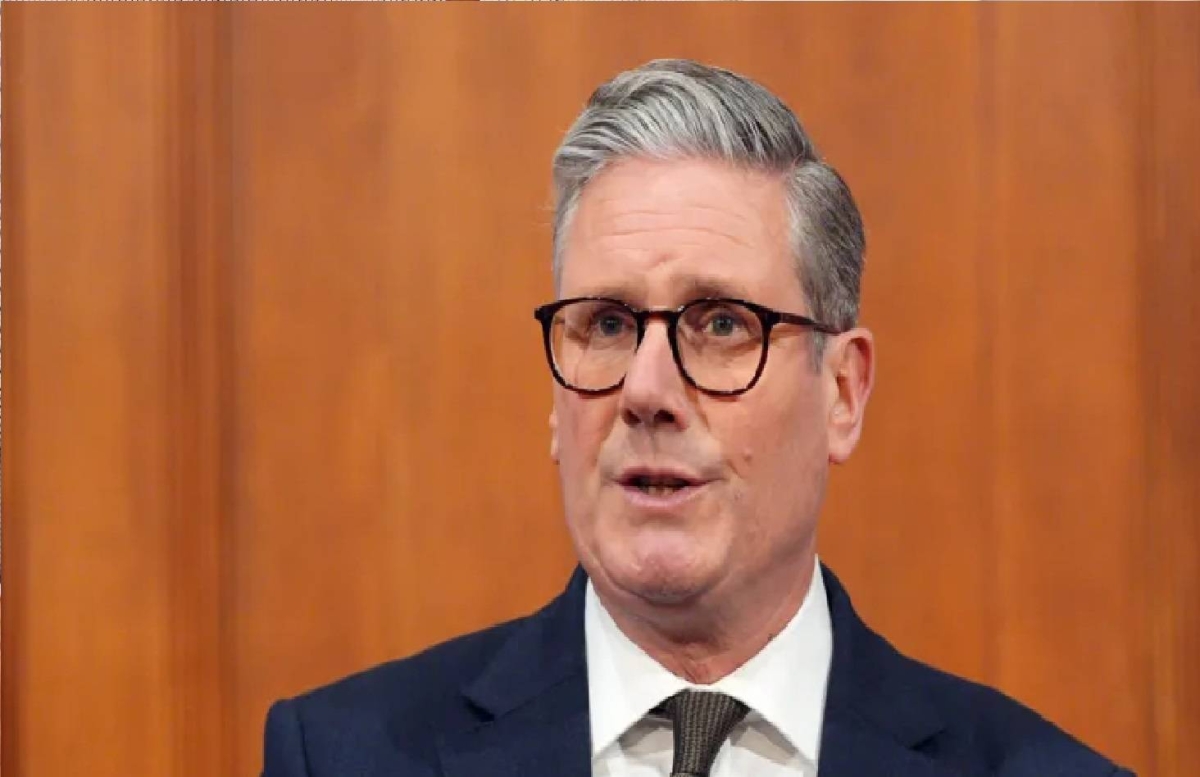
أعلن رئيس الوزراء البريطاني كير ستارمر، اليوم (الأحد) 21 سبتمبر 2025، الاعتراف الرسمي للمملكة المتحدة بالدولة الفلسطينية، في خطوة رمزية تهدف إلى إحياء آمال حل الدولتين وسط الأزمة الإنسانية في غزة.
جاء هذا الإعلان بالتزامن مع إعلانات مشابهة من كندا وأستراليا، مما يجعل هذه الدول الثلاثة من أبرز أعضاء الكومنولث الذين انضموا إلى أكثر من 150 دولة تعترف بفلسطين.
وفقاً لستارمر، يأتي الاعتراف جزءاً من حزمة شاملة للضغط على إسرائيل لوقف إطلاق النار، وإطلاق الرهائن، ووقف التوسع الاستيطاني في الضفة الغربية، مع التأكيد على أن حماس لن يكون لها دور في الحكومة الفلسطينية المستقبلية.
ومع ذلك، أثار القرار جدلاً دوليّاً حاداً، إذ رحب به الفلسطينيون والعديد من الدول العربية بصفته خطوةً نحو العدالة، بينما اعتبرته إسرائيل والولايات المتحدة هزيمة لـ «تل أبيب»، وفيما يلي تحليل شامل لردود الفعل بناءً على تغطية إعلامية وتفاعلات على وسائل التواصل الاجتماعي.
ترحيب عربي - أوربي
أعرب الرئيس الفلسطيني محمود عباس عن ترحيبه بالقرار البريطاني، واصفاً إياه بأنه خطوة مهمة وضرورية نحو تحقيق سلام عادل ودائم، مشيراً إلى أنه سيمهد الطريق لتنفيذ حل الدولتين إذ تعيش فلسطين إلى جانب إسرائيل في أمن وسلام وجوار جيد.
كما رحب السفير الفلسطيني في لندن حسام زملوط بالإعلان، معتبراً إياه تصحيحاً لأخطاء العصر الاستعماري.
فيما وصف مسؤول في حماس الاعتراف بالدولة الفلسطينية بأنه انتصار للحقوق الفلسطينية، بحسب نبأ عاجل أوردته وكالة «فرانس 24».
كما رحبت وزارة الخارجية الأردنية بالاعتراف البريطاني والكندي والأسترالي، مؤكدة أنه يتماشى مع الإرادة الدولية المتزايدة لإنهاء الاحتلال وتجسيد حق الشعب الفلسطيني في إقامة دولته على أساس حل الدولتين، وفقاً لبيان الناطق فؤاد المجالي.
في أوروبا، أشادت المعارضة الليبرالية الديمقراطية البريطانية بالقرار بصفته خطوةً حاسمةً، مطالبة بوقف مبيعات الأسلحة إلى إسرائيل فوراً، مع توقيع أكثر من 255 نائباً بريطانياً على مذكرة تدعو إلى الاعتراف الفوري.
كما أكدت فرنسا، التي أعلنت اعترافها في سبتمبر، أن الخطوة ستكون جزءاً من جهود دولية منسقة للحفاظ على إمكانية حل الدولتين.
غضب إسرائيلي - أمريكي
بدوره، رفض الاحتلال الإسرائيلي الاعتراف البريطاني بالدولة الفلسطينية، وقال رئيس الوزراء الإسرائيلي بنيامين نتنياهو: «سنواجه محاولات لفرض دولة فلسطينية» زاعماً أن هذا الاعتراف المشروع للشعب الفلسطيني يُهدّد وجود الكيان، مُشيراً إلى أن إسرائيل ستسعى للتنسيق مع الولايات المتحدة قبل اتخاذ قرارات نهائية، لا سيما خلال لقائه المرتقب مع ترمب في البيت الأبيض يوم 29 سبتمبر.
ونقلت وسائل إعلام غربية عن نتنياهو قوله: «لن تكون هناك دولة فلسطينية والرد على الاعتراف بها سيأتي حين أعود من الولايات المتحدة».
رئيس الوزراء الإسرائيلي بنيامين نتنياهو.
موقف المعارضة الإسرائيلية
وفي موقف مُغاير لتصريحات نتنياهو، وصف رئيس حزب الديمقراطيين الإسرائيلي يائير جولان، الاعتراف بدولة فلسطينية بـ «المدمر» لإسرائيل، متهماً نتنياهو بـ«إلحاق الضرر السياسي» بإسرائيل من خلال سياساته.
واقترح نموذجاً يعتمد على الانفصال المدني مع احتفاظ إسرائيل بالسيطرة الأمنية لفترة طويلة، كما انتقد جولان حكومة نتنياهو.
كما وصف زعيم المعارضة يائير لابيد الاعتراف البريطاني بأنه كارثة سياسية وخطأ يمكن تجنبه بحكومة إسرائيلية فعالة، محذراً نتنياهو من أن الخطوة تعقد الوضع وتشجع على العنف.
وفي الولايات المتحدة، عبر الرئيس دونالد ترمب عن معارضته خلال زيارة دولة إلى بريطانيا الأسبوع الماضي، واصفاً الاعتراف بأنه خلاف قليل مع ستارمر، لكنه أكد التركيز على إطعام الجوعى في غزة دون الاعتراف.
فيما أرسل أعضاء الكونغرس الأمريكي رسالة إلى بريطانيا وكندا وأستراليا وفرنسا يرفضون الاعتراف الأحادي، معتبرين أنه إفراغ للجهود.
ستارمر وترمب
رمزية الاعتراف
يُعتبر الاعتراف رمزيّاً إلى حدٍّ كبير، ويضغط على إسرائيل لتغيير سياستها في غزة، إذ قُتل أكثر من 60 ألف فلسطيني منذ أكتوبر 2023، ومع اعتراف بريطانيا، أصبح أربعة من خمسة أعضاء دائمين في مجلس الأمن (بريطانيا، فرنسا، روسيا، الصين) يعترفون بفلسطين، مما يعزل الولايات المتحدة.
وقد يؤدي الاعتراف إلى ضغوط قانونية، مثل مقاطعة السلع من المستوطنات، أو دعاوى تعويضات بمليارات الجنيهات عن سياسات الانتداب.
كما يمثل الاعتراف البريطاني تحولاً دبلوماسيّاً يعكس تغير الرأي العام بعد أكثر من عامين من الصراع في غزة.
British Prime Minister Keir Starmer announced today (Sunday, September 21, 2025) the official recognition of the Palestinian state by the United Kingdom, in a symbolic move aimed at reviving hopes for a two-state solution amid the humanitarian crisis in Gaza.
This announcement coincided with similar declarations from Canada and Australia, making these three countries some of the most prominent Commonwealth members to join over 150 nations that recognize Palestine.
According to Starmer, the recognition is part of a comprehensive package to pressure Israel to cease hostilities, release hostages, and halt settlement expansion in the West Bank, while emphasizing that Hamas will have no role in any future Palestinian government.
However, the decision has sparked sharp international controversy, as Palestinians and many Arab nations welcomed it as a step toward justice, while Israel and the United States viewed it as a defeat for "Tel Aviv." Below is a comprehensive analysis of the reactions based on media coverage and social media interactions.
Arab - European Welcome
Palestinian President Mahmoud Abbas expressed his welcome of the British decision, describing it as an important and necessary step toward achieving a just and lasting peace, noting that it will pave the way for the implementation of a two-state solution where Palestine lives alongside Israel in security, peace, and good neighborliness.
The Palestinian ambassador in London, Hussam Zomlot, also welcomed the announcement, considering it a correction of the errors of the colonial era.
A Hamas official described the recognition of the Palestinian state as a victory for Palestinian rights, according to a breaking news report by France 24.
The Jordanian Ministry of Foreign Affairs welcomed the British, Canadian, and Australian recognition, affirming that it aligns with the growing international will to end the occupation and realize the Palestinian people's right to establish their state based on the two-state solution, according to spokesperson Fouad Majali's statement.
In Europe, the British Liberal Democrat opposition praised the decision as a crucial step, calling for an immediate halt to arms sales to Israel, with over 255 British MPs signing a memorandum calling for immediate recognition.
France, which announced its recognition in September, confirmed that the step would be part of coordinated international efforts to maintain the possibility of a two-state solution.
Israeli - American Anger
For its part, the Israeli occupation rejected the British recognition of the Palestinian state, with Israeli Prime Minister Benjamin Netanyahu stating: "We will confront attempts to impose a Palestinian state," claiming that this legitimate recognition of the Palestinian people threatens the existence of the entity, indicating that Israel will seek to coordinate with the United States before making final decisions, especially during his anticipated meeting with Trump at the White House on September 29.
Western media reported Netanyahu as saying: "There will be no Palestinian state, and the response to the recognition will come when I return from the United States."
رئيس الوزراء الإسرائيلي بنيامين نتنياهو.
Israeli Opposition's Stance
In a contrasting position to Netanyahu's statements, Yair Golan, head of the Israeli Democratic Party, described the recognition of a Palestinian state as "devastating" for Israel, accusing Netanyahu of "politically harming" Israel through his policies.
He proposed a model based on civil separation while Israel retains long-term security control, and he criticized Netanyahu's government.
Opposition leader Yair Lapid described the British recognition as a political disaster and a mistake that could have been avoided with an effective Israeli government, warning Netanyahu that the step complicates the situation and encourages violence.
In the United States, President Donald Trump expressed his opposition during a state visit to Britain last week, describing the recognition as a minor disagreement with Starmer, but emphasized focusing on feeding the hungry in Gaza without recognition.
Meanwhile, members of the U.S. Congress sent a message to Britain, Canada, Australia, and France rejecting unilateral recognition, considering it a dilution of efforts.
ستارمر وترمب
The Symbolism of Recognition
The recognition is largely considered symbolic and pressures Israel to change its policy in Gaza, where more than 60,000 Palestinians have been killed since October 2023. With Britain's recognition, four of the five permanent members of the Security Council (Britain, France, Russia, China) now recognize Palestine, isolating the United States.
The recognition could lead to legal pressures, such as boycotts of goods from settlements or compensation claims amounting to billions of pounds for mandate policies.
Additionally, the British recognition represents a diplomatic shift reflecting changing public opinion after more than two years of conflict in Gaza.