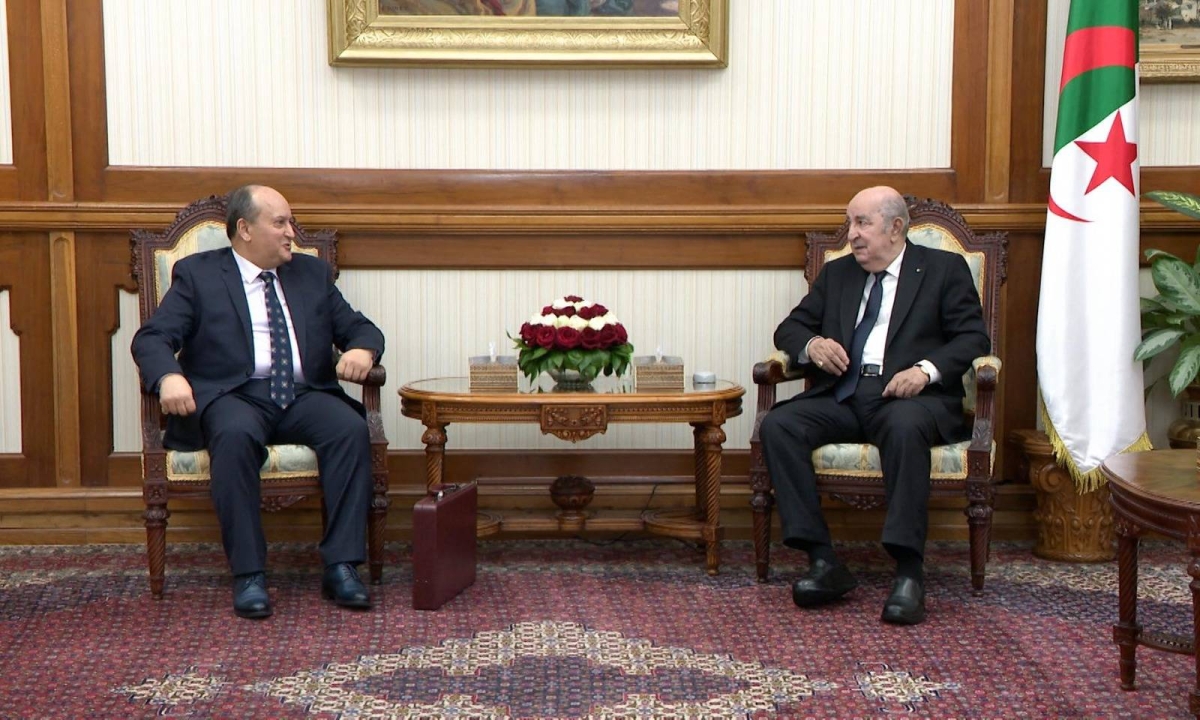
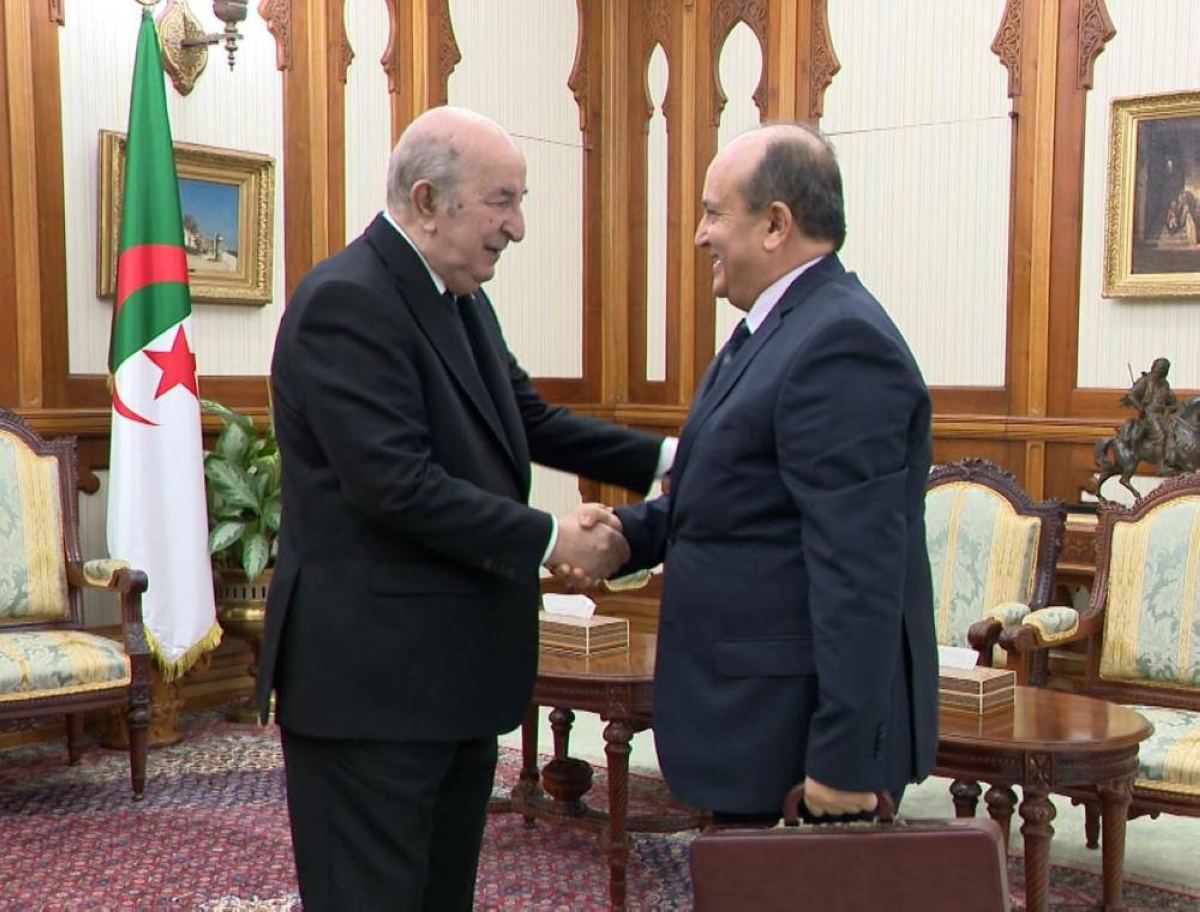
في خطوة سياسية مفاجئة تعكس سعي الرئيس الجزائري عبدالمجيد تبون إلى تعزيز الأداء الحكومي وتسريع وتيرة الإصلاحات، أعلنت الرئاسة الجزائرية، الأحد، تنصيب سيفي غريب وزيراً أول وتكليفه بتشكيل حكومة جديدة، بالتزامن مع تعديلات وزارية شملت عدة حقائب أساسية. بعد أسبوعين فقط من إقالة نذير العرباوي، الوزير الأول السابق.
ثقة تبون في غريب
أكد الرئيس تبون ثقته الكاملة في غريب (52 عاماً)، الوزير السابق للصناعة، مشدداً على أن الحكومة الجديدة يجب أن «تتماشى مع التحديات الراهنة وتلبي تطلعات الشعب الجزائري». ومن جانبه، تعهد غريب بالعمل على تسريع الإصلاحات الاقتصادية، ومواجهة التضخم، وتعزيز الإنتاج المحلي لتقليل الاعتماد على الواردات التي بلغت 40 مليار دولار عام 2024.
تعديلات واسعة في الوزارات
التعديل الوزاري شمل وزارات العدل، والصناعة، والرياضة، والشباب، إلى جانب تغييرات في تسميات بعض الحقائب. فقد أصبح النقل تحت مظلة وزارة الداخلية والجماعات المحلية برئاسة سعيد سعيود، فيما تولى إبراهيم مراد منصب وزير دولة مكلف بالمفتشية العامة لمصالح الدولة. كما عُيّن مصطفى حيداوي وزيراً للشباب، ووليد صادي وزيراً للرياضة، وسيد علي زروقي للبريد والمواصلات، بينما انتقلت صورية مولوجي من وزارة الثقافة إلى وزارة التضامن والأسرة، وخلفها زهير بللو وزيراً للثقافة والفنون.
ورغم هذه التغييرات، أبقى تبون على الوزارات السيادية دون تعديل، إذ احتفظ أحمد عطاف بمنصب وزير الخارجية بصفة وزير دولة، فيما استمر الفريق السعيد شنقريحة رئيساً لأركان الجيش ووزيراً منتدباً لدى وزير الدفاع. كما أعيدت تسمية وزارة الطاقة والمناجم لتصبح «المحروقات والمناجم» برئاسة محمد عرقاب، وأضيف قطاع الصيد البحري إلى وزارة الفلاحة والتنمية الريفية.
خلفيات التغيير
إقالة العرباوي، الذي تولى منصبه في نوفمبر 2023، أثارت تساؤلات داخلية حول بطء الإصلاحات وتزايد الأزمات الاقتصادية مثل التضخم وارتفاع أسعار الغذاء وتعثر توريد السيارات. ورغم إشادة تبون بجهوده، اعتُبر رحيله إشارة إلى الحاجة لـ«دفعة جديدة» في العمل الحكومي قبل الانتخابات الرئاسية المقررة في 2026.
إصلاحات في ظل تحديات اقتصادية
منذ إعادة انتخاب تبون لولاية ثانية في سبتمبر 2024، تشهد الجزائر سلسلة من التغييرات الحكومية المتكررة، في إطار محاولاته توحيد الصف السياسي وتعزيز الإصلاحات الاقتصادية في بلد يعتمد بشكل شبه كامل على عائدات النفط والغاز، التي تمثل نحو 95% من الصادرات.
ويُعد غريب رابع وزير أول في عهد تبون بعد كل من صبري بوقادوم، وعبدالعزيز جراد، وأيمن بن عبدالرحمن، في مؤشر على ديناميكية سياسية متسارعة تعكس ضغوط الداخل واستحقاقات المرحلة القادمة.
In a surprising political move reflecting Algerian President Abdelmadjid Tebboune's efforts to enhance government performance and accelerate the pace of reforms, the Algerian presidency announced on Sunday the appointment of Saïfi Ghrib as Prime Minister and tasked him with forming a new government, coinciding with ministerial changes that included several key portfolios. This comes just two weeks after the dismissal of Nadhir Arabawi, the former Prime Minister.
Tebboune's Confidence in Ghrib
President Tebboune expressed his full confidence in Ghrib (52 years old), the former Minister of Industry, emphasizing that the new government must "align with current challenges and meet the aspirations of the Algerian people." For his part, Ghrib pledged to work on accelerating economic reforms, addressing inflation, and boosting local production to reduce reliance on imports, which reached $40 billion in 2024.
Wide-ranging Changes in Ministries
The ministerial reshuffle included the Ministries of Justice, Industry, Sports, and Youth, along with changes in the titles of some portfolios. Transportation has come under the umbrella of the Ministry of Interior and Local Communities, headed by Saïd Sayoud, while Ibrahim Mourad took on the role of Minister of State responsible for the General Inspectorate of State Services. Mustafa Haïdawi was appointed Minister of Youth, Walid Sadi became Minister of Sports, and Sid Ali Zarouki took over the Ministry of Post and Telecommunications, while Souria Mouloudji moved from the Ministry of Culture to the Ministry of Solidarity and Family, with Zouheir Bellou succeeding her as Minister of Culture and Arts.
Despite these changes, Tebboune retained the sovereign ministries without modification, as Ahmed Attaf kept his position as Minister of Foreign Affairs in the capacity of Minister of State, while General Saïd Chengriha continued as Chief of Army Staff and Minister Delegate to the Minister of Defense. The Ministry of Energy and Mines was renamed to "Hydrocarbons and Mines," headed by Mohamed Arkab, and the fisheries sector was added to the Ministry of Agriculture and Rural Development.
Background of the Change
The dismissal of Arabawi, who took office in November 2023, raised internal questions about the slow pace of reforms and the increasing economic crises such as inflation, rising food prices, and difficulties in importing vehicles. Despite Tebboune praising his efforts, his departure was seen as a signal of the need for a "new push" in government work ahead of the presidential elections scheduled for 2026.
Reforms Amid Economic Challenges
Since Tebboune's re-election for a second term in September 2024, Algeria has been witnessing a series of repeated government changes, as part of his attempts to unify the political front and strengthen economic reforms in a country that relies almost entirely on oil and gas revenues, which account for about 95% of exports.
Ghrib is the fourth Prime Minister during Tebboune's tenure, following Sabri Boukadoum, Abdelaziz Djerad, and Ayman Ben Abdelrahman, indicating a rapidly changing political dynamic that reflects internal pressures and the requirements of the upcoming phase.