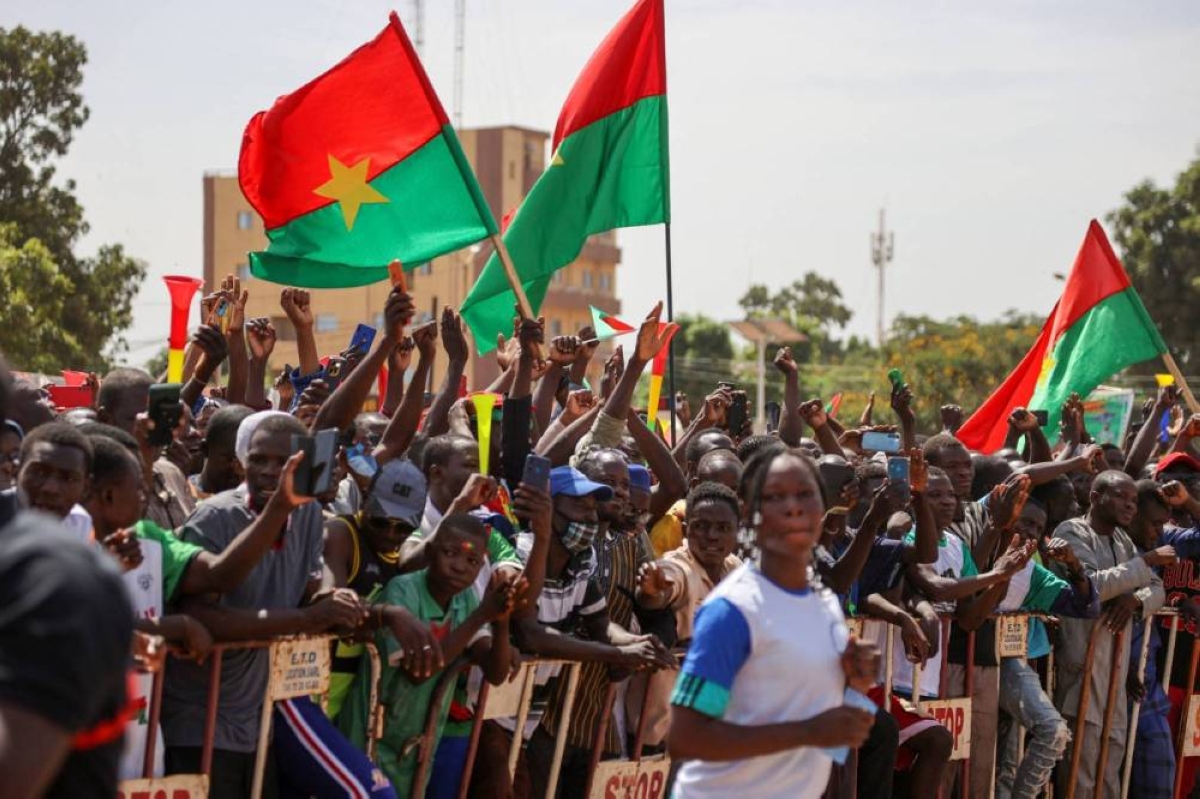
في خطوة مثيرة للجدل تهدف إلى تعزيز الإنتاجية الاقتصادية في ظل التحديات المتعددة التي يواجهها البلد، أقر مجلس الوزراء في بوركينا فاسو، مشروع قانون يقضي بتقليص عدد أيام العطلات الرسمية (الأيام الخماسية والمدفوعة الأجر) من 15 إلى 11 يوماً فقط.
العطلات الحالية مكلفة
ويعتبر هذا القرار الذي يأتي تحت رعاية الرئيس الانتقالي كابتن إبراهيم تراوري، جزءاً من استراتيجية الحكومة لتخفيف العبء المالي على ميزانية الدولة، حيث يُقدر أن العطلات الحالية تكلف الخزانة العامة خسائر تصل إلى 67.5 مليار فرنك إفريقي سنوياً، مع توفير محتمل يصل إلى 16.88 مليار فرنك من خلال هذا التعديل.
ووفقاً لتقرير مجلس الوزراء، الذي ترأسه الرئيس تراوري، فإن الدراسة الاقتصادية أجراها وزارة الاقتصاد والمالية، وأظهرت أن كل يوم عطلة رسمية يكلف الدولة نحو 4.22 مليار فرنك إفريقي بسبب فقدان الإنتاجية في القطاعين العام والخاص.
ويأتي القرار في سياق جهود الحكومة الانتقالية لإعادة هيكلة الاقتصاد الوطني، خوصاً مع استمرار التوترات الأمنية الناتجة عن الهجمات الإرهابية منذ عام 2015، والتي أدت إلى نزوح ملايين السكان وتدهور الإنتاج الزراعي والتجاري.
ضغوط مالية هائلة
وتواجه بوركينا فاسو الدولة البرية في غرب أفريقيا التي غيرت اسمها من «فولتا العليا» إلى «بوركينا فاسو» (أرض الأحرار) عام 1984 تحت قيادة الثوري توماس سانكارا، والتي تعتمد بشكل أساسي على الزراعة والتعدين، ضغوطاً مالية هائلة، حيث بلغت الميزانية العامة لعام 2025 نحو 3.5 تريليون فرنك، مع تخصيص جزء كبير للدفاع والأمن.
وشهدت بوركينا فاسو تاريخاً من الاضطرابات السياسية والاقتصادية، ومنذ انقلاب 2022 الذي أطاح بالرئيس السابق بول هنري داميبا، يقود كابتن إبراهيم تراوري حكومة انتقالية تهدف إلى «التحول الوطني»، مع التركيز على السيادة الغذائية والأمن، ومع ذلك، أدت الصراعات المسلحة إلى انخفاض الناتج المحلي الإجمالي بنسبة 10% في السنوات الأخيرة، وفقاً لتقارير البنك الدولي، ما دفع الحكومة إلى تبني إجراءات تقشفية.
جدل على وسائل التواصل
ويحدد القانون الحالي، الصادر عام 2015، 15 يوماً عطلة رسمية، تشمل أعياداً دينية مثل عيد الفطر وعيد الأضحى وعيد المولد النبوي، بالإضافة إلى أعياد وطنية مثل يوم الاستقلال (5 أغسطس)، يوم الثورة (3 يناير)، ويوم المرأة العالمي (8 مارس)، كما يشمل اليوم التالي لأي عيد يصادف يوم الأحد.
ورغم الترحيب من قبل الاقتصاديين والمؤسسات الدولية مثل صندوق النقد الدولي، الذي يدعم إصلاحات الإنتاجية في الدول النامية، أثار القرار جدلاً على وسائل التواصل الاجتماعي والمنظمات النقابية. فبعض النشطاء يرون فيه «إهانة للذاكرة الوطنية»، محذرين من فقدان التوازن بين العمل والحياة الاجتماعية، خصوصاً في بلد يعاني من الفقر المدقع حيث يتقاضى العامل المتوسط أقل من 100 ألف فرنك شهرياً.
In a controversial move aimed at boosting economic productivity amid the multiple challenges facing the country, the Council of Ministers in Burkina Faso has approved a bill that reduces the number of official holidays (paid leave days) from 15 to only 11 days.
Current Holidays are Costly
This decision, which comes under the auspices of the transitional president Captain Ibrahim Traoré, is part of the government's strategy to alleviate the financial burden on the state budget, as it is estimated that the current holidays cost the public treasury losses of up to 67.5 billion CFA francs annually, with a potential saving of up to 16.88 billion francs through this amendment.
According to the report from the Council of Ministers, chaired by President Traoré, the economic study was conducted by the Ministry of Economy and Finance, and it showed that each official holiday costs the state about 4.22 billion CFA francs due to lost productivity in the public and private sectors.
The decision comes in the context of the transitional government's efforts to restructure the national economy, especially with the ongoing security tensions resulting from terrorist attacks since 2015, which have led to the displacement of millions of people and a decline in agricultural and commercial production.
Immense Financial Pressures
Burkina Faso, the landlocked country in West Africa that changed its name from "Upper Volta" to "Burkina Faso" (Land of the Upright) in 1984 under the leadership of revolutionary Thomas Sankara, is facing immense financial pressures, with the public budget for 2025 estimated at around 3.5 trillion francs, a significant portion of which is allocated to defense and security.
Burkina Faso has a history of political and economic turmoil, and since the coup in 2022 that ousted former president Paul-Henri Sandaogo Damiba, Captain Ibrahim Traoré has been leading a transitional government aimed at "national transformation," focusing on food sovereignty and security. However, armed conflicts have led to a 10% decline in GDP in recent years, according to World Bank reports, prompting the government to adopt austerity measures.
Debate on Social Media
The current law, issued in 2015, specifies 15 official holidays, including religious holidays such as Eid al-Fitr, Eid al-Adha, and the Prophet's birthday, as well as national holidays like Independence Day (August 5), Revolution Day (January 3), and International Women's Day (March 8), also including the day following any holiday that falls on a Sunday.
Despite being welcomed by economists and international institutions such as the International Monetary Fund, which supports productivity reforms in developing countries, the decision has sparked debate on social media and among trade unions. Some activists see it as "an insult to national memory," warning of a loss of balance between work and social life, especially in a country suffering from extreme poverty where the average worker earns less than 100,000 CFA francs per month.