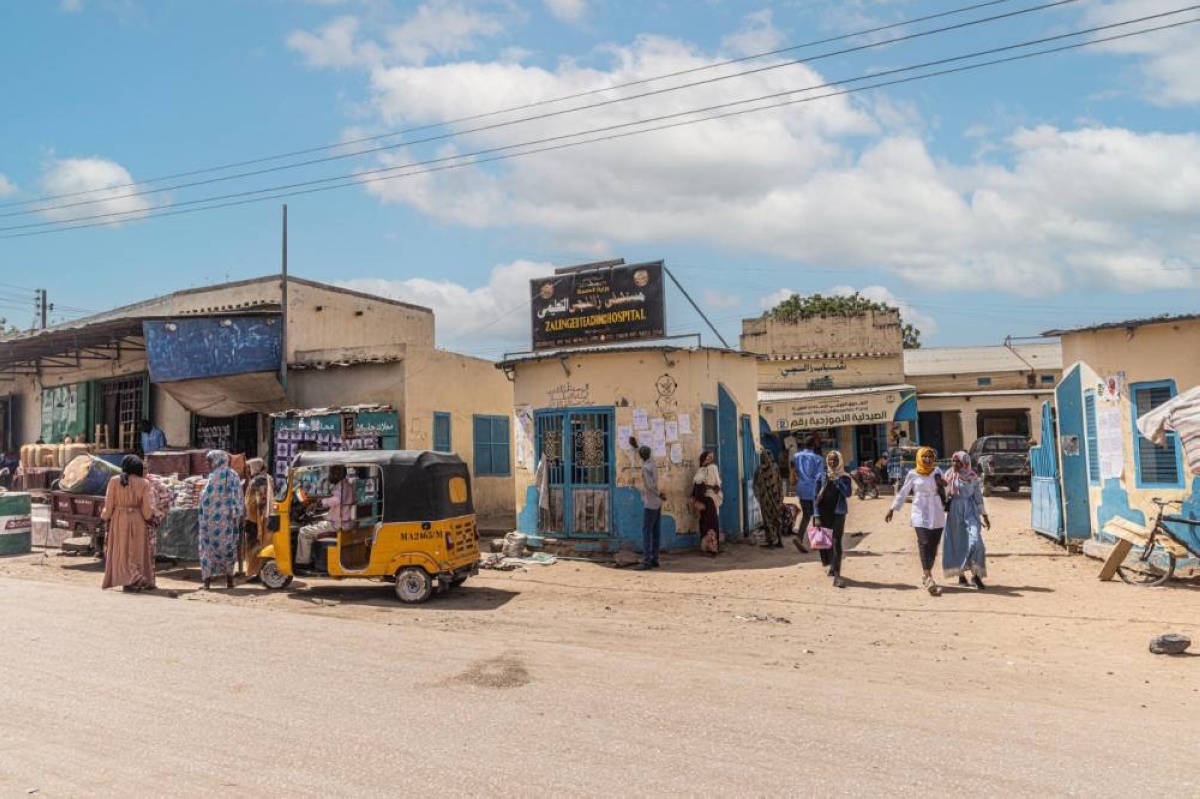
تفشى وباء الكوليرا في إقليم دارفور غرب السودان بشكل مقلق، إذ أعلنت منظمة «أطباء بلا حدود» تسجيل أكثر من 2200 حالة يشتبه بإصابتها بالكوليرا و39 وفاة في مرافقها بوسط دارفور منذ منتصف يوليو 2025.
ووفقاً لتقرير المنسقية العامة لمخيمات النازحين واللاجئين بالسودان، تم رصد 416 إصابة جديدة و12 وفاة إضافية، ما يرفع إجمالي الحالات في الإقليم إلى أكثر من 11 ألف إصابة و441 وفاة.
بدأ تفشي الكوليرا في دارفور منذ يونيو 2025، لكن الأعداد شهدت ارتفاعاً ملحوظاً منذ يوليو، خصوصاً في مناطق زالنجي، جبل مرة، نيالا، خزان جديد، ومخيمات النازحين، ويعاني الإقليم من تدهور صحي وبيئي حاد، يفاقمه نقص الإمدادات الطبية والخدمات في مراكز العزل.
ورغم الجهود الكبيرة التي تبذلها المنظمات الإنسانية، والمتطوعون، وغرف الطوارئ، والسلطات المحلية، تواجه المنطقة تحديات جمة بسبب تزايد الإصابات، إلى جانب تفشي الملاريا، وسوء التغذية، والجوع، خصوصاً بين الأطفال.
يُعتبر هذا الوضع كارثة إنسانية منسية، إذ يعاني السودان من تداعيات الحرب، والمجاعة، والأمراض، ونقص الموارد الغذائية، وسط تجاهل دولي ملحوظ.
وكانت منظمة «أطباء بلا حدود» اضطرت إلى تعليق جميع أنشطتها وتقليص عدد فرقها في مستشفى زالنجي في ولاية وسط دارفور في السودان، أغسطس الماضي، عقب اعتداء مسلح عنيف وقع داخل المرفق، وسط تفشٍّ فتّاك للكوليرا، علماً أن المنظمة لن تتمكن من استئناف عملياتها حتى تقدم جميع الأطراف المعنية ضمانات أمنية واضحة لحماية الطاقم والمرضى.
The cholera epidemic has spread in the Darfur region of western Sudan in a concerning manner, as the organization "Doctors Without Borders" announced the registration of more than 2,200 suspected cases of cholera and 39 deaths in its facilities in Central Darfur since mid-July 2025.
According to the report from the General Coordination of Displaced and Refugee Camps in Sudan, 416 new infections and 12 additional deaths have been recorded, raising the total number of cases in the region to more than 11,000 infections and 441 deaths.
The cholera outbreak in Darfur began in June 2025, but the numbers have seen a noticeable increase since July, particularly in the areas of Zalingei, Jebel Marra, Nyala, Khazan Jadid, and the displaced persons camps. The region is suffering from severe health and environmental deterioration, exacerbated by a shortage of medical supplies and services in isolation centers.
Despite the significant efforts made by humanitarian organizations, volunteers, emergency rooms, and local authorities, the region faces numerous challenges due to the rising infections, along with the spread of malaria, malnutrition, and hunger, especially among children.
This situation is considered a forgotten humanitarian disaster, as Sudan suffers from the repercussions of war, famine, diseases, and a lack of food resources, amidst noticeable international neglect.
Doctors Without Borders had to suspend all its activities and reduce the number of its teams at the Zalingei Hospital in Central Darfur, Sudan, last August, following a violent armed attack that occurred within the facility, amid a devastating cholera outbreak. The organization will not be able to resume its operations until all concerned parties provide clear security guarantees to protect the staff and patients.